
 CN
CN


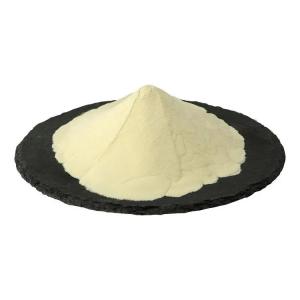


Phosphoric acid supports feed phosphate production
Time:2026-03-10Phosphoric acid is a key raw material in the production of feed phosphates used in animal nutrition. Feed phosphates supply essential phosphorus that supports normal growth and metabolic functions in livestock and poultry. Because phosphorus is a critical mineral for skeletal development and energy metabolism, phosphoric acid plays an important role in the feed industry by enabling the manufacture of stable and consistent phosphate additives.
Importance of Phosphorus in Animal Feed
Phosphorus is one of the essential minerals required in animal diets. It contributes to the formation of bones and teeth and participates in various biological processes related to energy transfer and cellular activity.
However, natural feed ingredients such as grains and plant meals often contain phosphorus in forms that animals cannot efficiently utilize. Feed phosphates derived from phosphoric acid provide a readily available source of this mineral, helping feed formulators balance nutritional requirements in compound feeds.
Role of Phosphoric Acid in Feed Phosphate Manufacturing
Phosphoric acid serves as the primary phosphorus source in the production of several feed phosphate products. Through controlled chemical reactions with calcium-containing materials, manufacturers produce compounds such as monocalcium phosphate and dicalcium phosphate.
These reactions create stable phosphate salts with defined phosphorus content and suitable physical properties for feed blending. The process also allows producers to control particle size, solubility, and purity to meet feed industry standards.
Common Feed Phosphate Products
Several types of feed phosphates are produced using phosphoric acid. Monocalcium phosphate is widely used because of its high phosphorus availability and consistent quality. Dicalcium phosphate is another commonly used product in livestock and poultry feed formulations.
These phosphate additives are typically manufactured in powder or granule form, making them easy to mix with other feed ingredients during the feed production process.
Production Process Overview
Feed phosphate production usually involves neutralizing phosphoric acid with calcium carbonate or other calcium sources. The reaction forms calcium phosphate compounds, which are then dried, milled, and sometimes granulated.
Quality control is important throughout the process to ensure the final product meets specifications for phosphorus content, moisture level, and particle size distribution.
Industry Applications
Feed phosphates produced from phosphoric acid are used in a wide range of animal feed applications. They are incorporated into feeds for poultry, swine, cattle, aquaculture species, and other livestock.
Feed manufacturers rely on these additives to maintain balanced mineral nutrition in feed formulations and to support efficient feed production systems.
Conclusion
Phosphoric acid is an essential raw material for the production of feed phosphates. By enabling the manufacture of stable calcium phosphate additives, it helps provide a reliable phosphorus source for animal feed formulations. As the global livestock industry continues to grow, phosphoric acid will remain a key component in the feed phosphate production chain.