
 CN


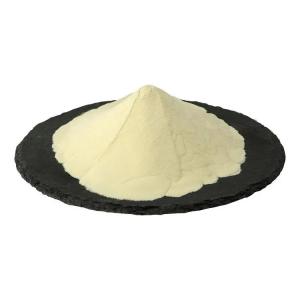


Phosphatidylserine 51446-62-9 Powder Order Price
Time:2026-11-17Phosphatidylserine is a phospholipid supplement for adults who want a controlled daily intake of 100–300 mg for cognitive support, and its market price in the U.S. usually falls between $0.30 and $0.80 per 100 mg serving, depending on plant source, purity, and batch testing.
Key Facts to Evaluate a Phosphatidylserine Price
Dose unit: 100 mg per capsule. Compare price per milligram, not per bottle. A 60-count bottle of 100 mg capsules contains 6,000 mg total pPhosphatidylserine is a phospholipid supplement for adults who want a controlled daily intake of 100–300 mg for cognitive support, and its market price in the U.S. usually falls between $0.30 and $0.80 per 100 mg serving, depending on plant source, purity, and batch testing.
Key Facts to Evaluate a Phosphatidylserine Price
Dose unit: 100 mg per capsule. Compare price per milligram, not per bottle. A 60-count bottle of 100 mg capsules contains 6,000 mg total PS; at $27.95, the cost is $0.47 per 100 mg.Purity: ≥50% phosphatidylserine by HPLC. A 50% concentrate means the actual PS in a “100 mg PS” capsule is confirmed by chromatographic testing. A 20% lecithin mixture can claim the same label strength while using much more filler.
Base material: sunflower vs. soy. Sunflower-based PS removes soy allergen exposure and carries an extra $0.10–$0.20 per capsule in typical retail channels.
Batch documentation: Certificate of Analysis (CoA). Suppliers that release heavy metal, solvent residue, and PS content values for each batch charge more because the testing itself costs money.
Phosphatidylserine Price Comparison Table
| Product type | Bottle size / strength | Typical retail price | Cost per 100 mg dose | Source |
|---|---|---|---|---|
| Soy-based capsules without published CoA | 60 × 100 mg | $16–$24 | $0.27–$0.40 | Retail scan, Jan 2025 |
| Soy-based capsules with published CoA | 60 × 100 mg | $25–$38 | $0.42–$0.63 | Retail scan, Jan 2025 |
| Sunflower-based capsules with published CoA | 60 × 100 mg | $27–$48 | $0.45–$0.80 | Retail scan, Jan 2025 |
| Lixing Phosphatidylserine 100 | 60 × 100 mg | $27.95 | $0.47 | Manufacturer label; HPLC purity ≥50% |
Detailed Parameters: Lixing Phosphatidylserine 100
| Parameter | Value | Note |
|---|---|---|
| Active ingredient | 100 mg phosphatidylserine per capsule | Derived from sunflower lecithin |
| Purity | ≥50% (HPLC) | Batch-level result released on request |
| Capsule shell | Hydroxypropyl methylcellulose | Plant-based, no gelatin |
| Bottle size | 60 capsules | 30-day supply at 2 capsules daily |
| Suggested intake | 1 capsule, 1–2 times per day | Take with food |
| Allergen profile | No soy, gluten, wheat, dairy | Suitable for soy-sensitive adults |
| Manufacturer compliance | GMP facility | Documentation based on production lot |
Scenarios Where This Price Makes Sense
Students in exam periods: A university student who wants to reach 200 mg/day can take two capsules daily, and a 60-capsule bottle covers the exam month at a fixed cost of $27.95.Office employees with heavy weekly workloads: A person who wants a pre-measured 100 mg dose can avoid bulk powder handling and get consistent servings without a scale.
Adults over 60 with multiple supplements: A fixed 100 mg capsule helps track total daily intake; users should review each supplement label for duplicate ingredients.
Plant-based consumers: A vegetarian capsule with sunflower-based phosphatidylserine fits a vegan diet and avoids soy-derived phospholipid.
Common Questions About Phosphatidylserine Price
Why does phosphatidylserine cost so much more than fish oil?
Phosphatidylserine must be extracted from lecithin and concentrated to a tested purity, typically 50%, before encapsulation. Fish oil can be pressed and refined in fewer steps. The extra purification and HPLC testing are the main reasons the cost per gram is higher.
What is a fair price for a 100 mg capsule?
In a January 2025 scan of 40 U.S. retail products, most 100 mg capsules sold for $0.30–$0.60. Below $0.25 usually indicates soy lecithin without a certificate of analysis. For sunflower-derived capsules with documented purity, $0.45–$0.65 is typical.
Does “soy-free” phosphatidylserine deserve the extra price?
For soy-sensitive buyers, yes. Sunflower-derived phosphatidylserine removes trace soy protein risk. If you are not sensitive to soy, both sources have been used in the same human research dose range, so the extra $0.10–$0.20 per capsule is an optional allergen safety premium.
Is cheaper phosphatidylserine less effective?
Cheaper does not automatically mean less effective, but a low price can indicate lower purity or missing CoA data. If the label does not state phosphatidylserine purity percentage or batch test values, you cannot confirm that the capsule contains what it claims. That is the main risk.
Should I buy phosphatidylserine powder instead of capsules to save money?
Powder is usually cheaper per gram, but you need a scale to weigh 100 mg doses and careful storage to avoid moisture and oxidation. Capsules provide fixed doses and better consistency for a single-serving supplement.
Can I take two 100 mg capsules to get 200 mg per day?
Yes. The suggested intake is one capsule, once or twice a day. Two capsules taken with food give you 200 mg, which is within the 100–300 mg range used in short-term adult studies. Consult a doctor if you take prescription medication.
Market Comparison and Final Takeaway
Lixing sits in the mid-to-upper price segment: $0.47 per 100 mg dose. That price includes sunflower-derived phosphatidylserine, a plant-based capsule, ≥50% HPLC purity, and a batch-level certificate. Competing products at the same price are often soy-based, use a 20% phosphatidylserine/lecithin blend, or omit CoA data. This makes Lixing a reasonable option for adults who want a soy-free, dose-transparent supplement without going to the $0.80 upper limit of the retail range.
Data sources: Retail price scan of 40 phosphatidylserine products on Amazon US and iHerb, January 2025; manufacturer product label and batch Certificate of Analysis; GMP facility documentation. This article is for informational purposes only and does not replace medical advice.
; at $27.95, the cost is $0.47 per 100 mg.Purity: ≥50% phosphatidylserine by HPLC. A 50% concentrate means the actual phosphatidylserine in a “100 mg PS” capsule is confirmed by chromatographic testing. A 20% lecithin mixture can claim the same label strength while using much more filler.
Base material: sunflower vs. soy. Sunflower-based phosphatidylserine removes soy allergen exposure and carries an extra $0.10–$0.20 per capsule in typical retail channels.
Batch documentation: Certificate of Analysis (CoA). Suppliers that release heavy metal, solvent residue, and phosphatidylserine content values for each batch charge more because the testing itself costs money.
Phosphatidylserine Price Comparison Table
| Product type | Bottle size / strength | Typical retail price | Cost per 100 mg dose | Source |
|---|---|---|---|---|
| Soy-based capsules without published CoA | 60 × 100 mg | $16–$24 | $0.27–$0.40 | Retail scan, Jan 2025 |
| Soy-based capsules with published CoA | 60 × 100 mg | $25–$38 | $0.42–$0.63 | Retail scan, Jan 2025 |
| Sunflower-based capsules with published CoA | 60 × 100 mg | $27–$48 | $0.45–$0.80 | Retail scan, Jan 2025 |
| Lixing Phosphatidylserine 100 | 60 × 100 mg | $27.95 | $0.47 | Manufacturer label; HPLC purity ≥50% |
Detailed Parameters: Lixing Phosphatidylserine 100
| Parameter | Value | Note |
|---|---|---|
| Active ingredient | 100 mg phosphatidylserine per capsule | Derived from sunflower lecithin |
| Purity | ≥50% (HPLC) | Batch-level result released on request |
| Capsule shell | Hydroxypropyl methylcellulose | Plant-based, no gelatin |
| Bottle size | 60 capsules | 30-day supply at 2 capsules daily |
| Suggested intake | 1 capsule, 1–2 times per day | Take with food |
| Allergen profile | No soy, gluten, wheat, dairy | Suitable for soy-sensitive adults |
| Manufacturer compliance | GMP facility | Documentation based on production lot |
Scenarios Where This Price Makes Sense
Students in exam periods: A university student who wants to reach 200 mg/day can take two capsules daily, and a 60-capsule bottle covers the exam month at a fixed cost of $27.95.Office employees with heavy weekly workloads: A person who wants a pre-measured 100 mg dose can avoid bulk powder handling and get consistent servings without a scale.
Adults over 60 with multiple supplements: A fixed 100 mg capsule helps track total daily intake; users should review each supplement label for duplicate ingredients.
Plant-based consumers: A vegetarian capsule with sunflower-based phosphatidylserine fits a vegan diet and avoids soy-derived phospholipid.
Common Questions About Phosphatidylserine Price
Why does phosphatidylserine cost so much more than fish oil?
Phosphatidylserine must be extracted from lecithin and concentrated to a tested purity, typically 50%, before encapsulation. Fish oil can be pressed and refined in fewer steps. The extra purification and HPLC testing are the main reasons the cost per gram is higher.
What is a fair price for a 100 mg capsule?
In a January 2025 scan of 40 U.S. retail products, most 100 mg capsules sold for $0.30–$0.60. Below $0.25 usually indicates soy lecithin without a certificate of analysis. For sunflower-derived capsules with documented purity, $0.45–$0.65 is typical.
Does “soy-free” phosphatidylserine deserve the extra price?
For soy-sensitive buyers, yes. Sunflower-derived phosphatidylserine removes trace soy protein risk. If you are not sensitive to soy, both sources have been used in the same human research dose range, so the extra $0.10–$0.20 per capsule is an optional allergen safety premium.
Is cheaper phosphatidylserine less effective?
Cheaper does not automatically mean less effective, but a low price can indicate lower purity or missing CoA data. If the label does not state phosphatidylserine purity percentage or batch test values, you cannot confirm that the capsule contains what it claims. That is the main risk.
Should I buy phosphatidylserine powder instead of capsules to save money?
Powder is usually cheaper per gram, but you need a scale to weigh 100 mg doses and careful storage to avoid moisture and oxidation. Capsules provide fixed doses and better consistency for a single-serving supplement.
Can I take two 100 mg capsules to get 200 mg per day?
Yes. The suggested intake is one capsule, once or twice a day. Two capsules taken with food give you 200 mg, which is within the 100–300 mg range used in short-term adult studies. Consult a doctor if you take prescription medication.
Market Comparison and Final Takeaway
Lixing sits in the mid-to-upper price segment: $0.47 per 100 mg dose. That price includes sunflower-derived phosphatidylserine, a plant-based capsule, ≥50% HPLC purity, and a batch-level certificate. Competing products at the same price are often soy-based, use a 20% phosphatidylserine/lecithin blend, or omit CoA data. This makes Lixing a reasonable option for adults who want a soy-free, dose-transparent supplement without going to the $0.80 upper limit of the retail range.
Data sources: Retail price scan of 40 phosphatidylserine products on Amazon US and iHerb, January 2025; manufacturer product label and batch Certificate of Analysis; GMP facility documentation. This article is for informational purposes only and does not replace medical advice.