
 CN
CN
News list
News Center





News
Phosphatidyl serine applications are expanding
Time:2026-10-13
Phosphatidyl serine applications are expanding as manufacturers explore new phospholipid-based formulations and increasingly refined ingredient systems. Traditionally associated with specialized nutritional products, phosphatidyl serine is now being evaluated across a broader range of food, beverage, dietary ingredient, and formulation applications.
This expansion is supported by improvements in raw material selection, purification technology, analytical characterization, formulation design, and product standardization.
Applications in Nutritional Formulations
Nutritional formulations remain an important application area for phosphatidyl serine. Its phospholipid structure makes it suitable for incorporation into different ingredient systems where lipid-based components are required.
Manufacturers can develop phosphatidyl serine powders, granules, oil-based preparations, and composite ingredient systems according to different formulation requirements.
The choice of carrier, particle size, dispersibility, moisture level, and phospholipid concentration can influence the processing characteristics of the final formulation.
Use in Functional Food Formulations
Phosphatidyl serine is increasingly being considered in functional food formulation research. Its incorporation into food products requires attention to compatibility with proteins, carbohydrates, oils, emulsifiers, and other ingredients.
Formulators need to consider dispersion behavior, processing temperature, moisture, oxidation control, and storage conditions. These factors can affect the stability and uniformity of phospholipid-containing products.
As clean-label and ingredient transparency trends continue, manufacturers are also exploring more straightforward phospholipid-based formulations.
Applications in Beverage Products
Liquid formulations represent another area of development. Incorporating phosphatidyl serine into beverages can present technical challenges because phospholipids have different interfacial and dispersion characteristics from conventional water-soluble ingredients.
Emulsification technology, particle-size control, carrier selection, and homogenization conditions can therefore play important roles in beverage formulation.
Research into dispersible powders and suitable delivery systems may further broaden the potential use of phosphatidyl serine in powdered and ready-to-mix beverage products.
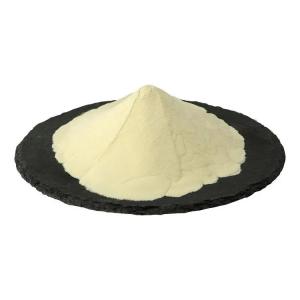
Development of Powdered Phosphatidyl Serine
Powder technology is particularly important for expanding phosphatidyl serine applications. Powdered ingredients can be easier to transport, weigh, blend, and incorporate into dry formulations.
Spray drying, carrier-assisted processing, and other powder-engineering approaches can be investigated to improve flowability, dispersibility, moisture control, and handling characteristics.
The selection of processing conditions needs to balance powder properties with phospholipid composition and stability.
Applications in Composite Phospholipid Products
Another development direction is the combination of phosphatidyl serine with other phospholipid components. Composite phospholipid systems can be designed according to different formulation requirements.
Such systems may contain phosphatidylcholine, phosphatidic acid, phosphatidylethanolamine, and other lipid components. Their composition can be adjusted through raw material selection and purification processes.
This approach provides manufacturers with additional flexibility when designing differentiated phospholipid ingredients.
Plant-Based Phosphatidyl Serine
Plant-derived phosphatidyl serine is receiving increasing attention as manufacturers explore alternative raw material sources. Soy and sunflower phospholipid materials can serve as starting points for the development of plant-based phosphatidyl serine ingredients.
Plant-derived production also creates opportunities for more transparent sourcing and differentiated product positioning.
However, the raw material source can influence phospholipid composition, fatty-acid profiles, impurity characteristics, and processing requirements, making raw material control particularly important.
Applications in Clean-Label Formulations
Clean-label formulation trends are encouraging manufacturers to examine ingredient origin, processing methods, carrier systems, and additive selection.
Phosphatidyl serine can be incorporated into formulations using different processing strategies depending on the desired product format. Manufacturers may focus on simplified ingredient systems, controlled processing, and clear raw material specifications.
This trend also increases the importance of analytical characterization and traceability throughout the supply chain.
High-Purity Phosphatidyl Serine Products
The development of higher-purity phosphatidyl serine is another factor supporting application expansion. More refined materials can provide greater control over phospholipid composition and reduce variation between batches.
Purification may involve extraction, fractionation, chromatography, membrane-based processing, or combinations of different technologies.
As application requirements become more specific, manufacturers are likely to develop different grades according to phosphatidyl serine content, phospholipid profile, physical form, and processing characteristics.
Customized Formulation Development
Customized phosphatidyl serine ingredients can address differences between application scenarios. Powder formulations, liquid dispersions, granulated materials, and composite lipid systems may require different technical specifications.
Customization can involve phosphatidyl serine concentration, carrier selection, particle size, moisture control, dispersibility, and packaging format.
This provides suppliers with opportunities to develop application-specific ingredient solutions rather than relying on a single standardized product.
Applications in Food Ingredient Blends
Phosphatidyl serine can also be incorporated into multi-ingredient blends. These blends may combine phospholipids with proteins, fibers, carbohydrates, plant extracts, or other food ingredients.
The major technical challenge is maintaining uniform distribution throughout the blend. Differences in particle size, density, moisture absorption, and flowability can cause segregation during processing.
Therefore, particle engineering and blending technology are becoming increasingly relevant to phosphatidyl serine application development.
Stability and Storage Considerations
Application expansion also increases the importance of stability studies. Phospholipids can be sensitive to environmental conditions, so formulation developers need to evaluate moisture, temperature, oxygen exposure, packaging materials, and storage time.
Stability testing can help identify suitable processing and packaging conditions for different product formats.
Understanding these factors can support the development of phosphatidyl serine products with more consistent physical and compositional characteristics throughout their intended storage period.
Analytical Support for Application Development
As applications diversify, analytical testing becomes increasingly important. Manufacturers can evaluate phosphatidyl serine content, total phospholipid composition, related lipid components, moisture, oxidation indicators, and other relevant quality parameters.
Chromatographic methods, phosphorus NMR, mass spectrometry, and conventional physical testing can provide complementary information.
Better analytical characterization allows formulators to understand how processing and storage affect phosphatidyl serine-containing products.
Future Application Trends
The future expansion of phosphatidyl serine applications is likely to involve greater product diversification and more specialized formulation design. Plant-based sources, high-purity grades, powdered systems, beverage formulations, composite phospholipid products, and customized ingredient blends may continue to receive attention.
At the same time, improvements in purification, analytical testing, powder engineering, emulsification, and process control can reduce technical barriers to new applications.
Overall, phosphatidyl serine is moving toward a broader application landscape in which raw material selection, processing technology, product format, analytical quality control, and formulation design work together to create more differentiated phospholipid ingredients.
This expansion is supported by improvements in raw material selection, purification technology, analytical characterization, formulation design, and product standardization.
Applications in Nutritional Formulations
Nutritional formulations remain an important application area for phosphatidyl serine. Its phospholipid structure makes it suitable for incorporation into different ingredient systems where lipid-based components are required.
Manufacturers can develop phosphatidyl serine powders, granules, oil-based preparations, and composite ingredient systems according to different formulation requirements.
The choice of carrier, particle size, dispersibility, moisture level, and phospholipid concentration can influence the processing characteristics of the final formulation.
Use in Functional Food Formulations
Phosphatidyl serine is increasingly being considered in functional food formulation research. Its incorporation into food products requires attention to compatibility with proteins, carbohydrates, oils, emulsifiers, and other ingredients.
Formulators need to consider dispersion behavior, processing temperature, moisture, oxidation control, and storage conditions. These factors can affect the stability and uniformity of phospholipid-containing products.
As clean-label and ingredient transparency trends continue, manufacturers are also exploring more straightforward phospholipid-based formulations.
Applications in Beverage Products
Liquid formulations represent another area of development. Incorporating phosphatidyl serine into beverages can present technical challenges because phospholipids have different interfacial and dispersion characteristics from conventional water-soluble ingredients.
Emulsification technology, particle-size control, carrier selection, and homogenization conditions can therefore play important roles in beverage formulation.
Research into dispersible powders and suitable delivery systems may further broaden the potential use of phosphatidyl serine in powdered and ready-to-mix beverage products.
Development of Powdered Phosphatidyl Serine
Powder technology is particularly important for expanding phosphatidyl serine applications. Powdered ingredients can be easier to transport, weigh, blend, and incorporate into dry formulations.
Spray drying, carrier-assisted processing, and other powder-engineering approaches can be investigated to improve flowability, dispersibility, moisture control, and handling characteristics.
The selection of processing conditions needs to balance powder properties with phospholipid composition and stability.
Applications in Composite Phospholipid Products
Another development direction is the combination of phosphatidyl serine with other phospholipid components. Composite phospholipid systems can be designed according to different formulation requirements.
Such systems may contain phosphatidylcholine, phosphatidic acid, phosphatidylethanolamine, and other lipid components. Their composition can be adjusted through raw material selection and purification processes.
This approach provides manufacturers with additional flexibility when designing differentiated phospholipid ingredients.
Plant-Based Phosphatidyl Serine
Plant-derived phosphatidyl serine is receiving increasing attention as manufacturers explore alternative raw material sources. Soy and sunflower phospholipid materials can serve as starting points for the development of plant-based phosphatidyl serine ingredients.
Plant-derived production also creates opportunities for more transparent sourcing and differentiated product positioning.
However, the raw material source can influence phospholipid composition, fatty-acid profiles, impurity characteristics, and processing requirements, making raw material control particularly important.
Applications in Clean-Label Formulations
Clean-label formulation trends are encouraging manufacturers to examine ingredient origin, processing methods, carrier systems, and additive selection.
Phosphatidyl serine can be incorporated into formulations using different processing strategies depending on the desired product format. Manufacturers may focus on simplified ingredient systems, controlled processing, and clear raw material specifications.
This trend also increases the importance of analytical characterization and traceability throughout the supply chain.
High-Purity Phosphatidyl Serine Products
The development of higher-purity phosphatidyl serine is another factor supporting application expansion. More refined materials can provide greater control over phospholipid composition and reduce variation between batches.
Purification may involve extraction, fractionation, chromatography, membrane-based processing, or combinations of different technologies.
As application requirements become more specific, manufacturers are likely to develop different grades according to phosphatidyl serine content, phospholipid profile, physical form, and processing characteristics.
Customized Formulation Development
Customized phosphatidyl serine ingredients can address differences between application scenarios. Powder formulations, liquid dispersions, granulated materials, and composite lipid systems may require different technical specifications.
Customization can involve phosphatidyl serine concentration, carrier selection, particle size, moisture control, dispersibility, and packaging format.
This provides suppliers with opportunities to develop application-specific ingredient solutions rather than relying on a single standardized product.
Applications in Food Ingredient Blends
Phosphatidyl serine can also be incorporated into multi-ingredient blends. These blends may combine phospholipids with proteins, fibers, carbohydrates, plant extracts, or other food ingredients.
The major technical challenge is maintaining uniform distribution throughout the blend. Differences in particle size, density, moisture absorption, and flowability can cause segregation during processing.
Therefore, particle engineering and blending technology are becoming increasingly relevant to phosphatidyl serine application development.
Stability and Storage Considerations
Application expansion also increases the importance of stability studies. Phospholipids can be sensitive to environmental conditions, so formulation developers need to evaluate moisture, temperature, oxygen exposure, packaging materials, and storage time.
Stability testing can help identify suitable processing and packaging conditions for different product formats.
Understanding these factors can support the development of phosphatidyl serine products with more consistent physical and compositional characteristics throughout their intended storage period.
Analytical Support for Application Development
As applications diversify, analytical testing becomes increasingly important. Manufacturers can evaluate phosphatidyl serine content, total phospholipid composition, related lipid components, moisture, oxidation indicators, and other relevant quality parameters.
Chromatographic methods, phosphorus NMR, mass spectrometry, and conventional physical testing can provide complementary information.
Better analytical characterization allows formulators to understand how processing and storage affect phosphatidyl serine-containing products.
Future Application Trends
The future expansion of phosphatidyl serine applications is likely to involve greater product diversification and more specialized formulation design. Plant-based sources, high-purity grades, powdered systems, beverage formulations, composite phospholipid products, and customized ingredient blends may continue to receive attention.
At the same time, improvements in purification, analytical testing, powder engineering, emulsification, and process control can reduce technical barriers to new applications.
Overall, phosphatidyl serine is moving toward a broader application landscape in which raw material selection, processing technology, product format, analytical quality control, and formulation design work together to create more differentiated phospholipid ingredients.
Previous:Phosphatidyl serine quality control is evolving
Next:None