
 CN
News list
News Center





News
Phosphatidyl serine market trends shift
Time:2026-11-17
The phosphatidyl serine market is undergoing continuous changes as manufacturers, ingredient suppliers, and food industry participants respond to evolving market requirements. As a specialized phospholipid ingredient, phosphatidyl serine has attracted attention across food formulations, nutritional products, dietary supplements, and functional ingredient development. Changes in consumer preferences, raw material availability, production technologies, and quality management practices are influencing the direction of the industry.
With the development of the global ingredient market, phosphatidyl serine suppliers are increasingly focusing on product consistency, manufacturing efficiency, and diversified application opportunities. These factors are contributing to a gradual shift in market structure and competitive strategies.
Changes in Market Demand
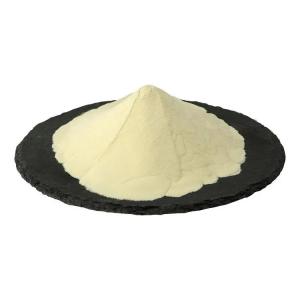
Market demand for phosphatidyl serine is becoming more diversified. Manufacturers are exploring different product formats and formulation approaches to accommodate changing requirements across various market segments. Powder-based ingredients remain an important product category because of their convenient handling, storage, and compatibility with different manufacturing processes.
Meanwhile, demand for standardized ingredient specifications is becoming increasingly important. Buyers are paying closer attention to product purity, composition, batch consistency, and technical documentation. This shift is encouraging suppliers to improve product classification and provide more detailed technical information.
Innovation in Manufacturing Technology
Manufacturing technology is an important factor influencing the development of the phosphatidyl serine market. Production enterprises are continuously examining extraction methods, purification processes, and processing conditions to improve production efficiency and product uniformity.
Process optimization can help manufacturers manage raw material utilization, reduce unnecessary processing losses, and maintain consistent product characteristics. Improvements in equipment automation and production monitoring are also supporting more standardized manufacturing operations.
As competition increases, technological development is becoming an important way for suppliers to strengthen their market positions.
Raw Material Supply and Cost Changes
Raw material availability has a direct influence on phosphatidyl serine production and market supply. Differences in raw material sources, procurement channels, and processing requirements can affect production costs and supply stability.
Manufacturers are therefore paying greater attention to supplier selection, raw material evaluation, and inventory management. Establishing reliable procurement channels can help reduce supply uncertainty and support continuous production.
At the same time, improvements in raw material processing and utilization are creating opportunities to optimize overall manufacturing costs.
Quality Standards and Product Differentiation
Quality management is becoming an increasingly important consideration in the phosphatidyl serine industry. Customers are not only evaluating product specifications but also examining manufacturing consistency, analytical methods, packaging conditions, and traceability systems.
Reliable testing procedures help manufacturers monitor key quality indicators throughout production. Consistent analytical methods also make it easier for suppliers and buyers to compare product specifications and establish purchasing requirements.
Product differentiation is another emerging market trend. Suppliers may distinguish their offerings through different purity grades, raw material sources, processing technologies, and customized specifications.
Global Market Competition
The competitive environment for phosphatidyl serine is changing as more ingredient manufacturers participate in the international supply chain. Competition is no longer determined solely by product pricing. Production capacity, quality stability, technical support, delivery efficiency, and supply chain reliability are also becoming important factors.
International buyers increasingly expect suppliers to provide clear product specifications and dependable documentation. Manufacturers capable of maintaining stable quality while responding flexibly to different purchasing requirements may gain stronger opportunities in overseas markets.
In addition, regional differences in regulatory requirements and market preferences are encouraging companies to develop more flexible business strategies.
Packaging and Supply Chain Optimization
Packaging and logistics are also influencing market development. Phosphatidyl serine products require appropriate packaging solutions to maintain product quality during transportation and storage.
Manufacturers are paying closer attention to moisture protection, sealing performance, packaging material selection, and warehouse conditions. Improved packaging management can help reduce external environmental influences and support product stability during distribution.
Supply chain optimization is equally important. Better coordination between raw material suppliers, manufacturers, distributors, and end users can improve delivery efficiency and reduce operational uncertainty.
Future Development Outlook
The phosphatidyl serine market is expected to continue evolving alongside changes in the global food ingredient and specialty ingredient industries. Manufacturing modernization, quality standardization, supply chain integration, and product diversification are likely to remain important development directions.
For manufacturers, maintaining consistent product quality and improving production efficiency will be essential. For distributors and purchasing companies, supplier evaluation, specification management, and reliable delivery arrangements will remain important considerations.
Overall, the shift in phosphatidyl serine market trends reflects a broader transformation in the specialty ingredient industry. Companies that respond effectively to changing customer requirements, technological developments, and international market conditions will be better positioned to participate in future industry growth.