
 CN
News list
News Center





News
Phosphatidyl serine processing quality improves
Time:2026-11-23
Phosphatidylserine (PS), a functional phospholipid widely used in cognitive health supplements, functional foods and specialty lipid formulations, has witnessed steady quality upgrades across its full processing chain in recent years. As global regulators, brand owners and consumers raise stricter requirements for ingredient purity, stability and safety, manufacturers are refining every stage from raw material screening, enzymatic conversion, purification to final drying and quality verification, delivering more consistent, clean and high-performance PS products.
In the past, PS processing commonly faced stubborn quality pain points. Crude soybean lecithin feedstock carried variable phospholipid compositions. Traditional batch enzymatic reactions often generated uneven conversion, leaving residual L serine, unreacted phosphatidylcholine and lysophospholipid by products. Poor purification could lead to high solvent residues, easy oxidation, unstable powder flowability and large batch to batch differences. These defects limited PS’s application in premium supplements and sensitive food systems, and sometimes caused complaints about discoloration, agglomeration and short shelf life.
The core quality improvement lies in standardized upstream control and optimized biocatalytic workflows. Leading producers select non GMO, low oxidation soybean or sunflower lecithin with fixed phospholipid profiles as starting materials. Phospholipase D (PLD) catalysis parameters, including temperature, pH, substrate ratio and reaction duration, are precisely locked rather than loosely adjusted. Many factories adopt mild, low shear reaction environments to reduce lipid oxidation and cut harmful by product formation. Immobilized enzyme systems further stabilize catalytic performance, lowering the risk of enzyme contamination in crude PS liquid.
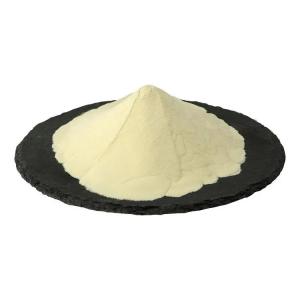
Downstream purification technology is another major driver of quality gains. Multi stage membrane filtration, low temperature washing and chromatographic separation gradually replace rough solvent extraction. These refined steps efficiently strip free amino acids, inorganic salts, residual solvents and mixed phospholipid impurities, lifting PS assay levels while complying with ICH and food safety limits on solvent residues. Low temperature vacuum drying and inert gas protection are widely applied to prevent thermal degradation. The finished PS powder gains better dispersibility, lower moisture activity and greatly reduced caking tendency, which simplifies formulation into tablets, softgels, gummies and beverage premixes.
Modern real time analytical monitoring underpins reliable quality consistency. HPLC with evaporative light scattering or charged aerosol detection is deployed to quantify PS content and profile related phospholipids in each batch. Routine tests cover acid value, peroxide value, microbial count, heavy metals and residual solvents. Some production lines install inline sensors to track reaction progress continuously, so operators can spot deviation early instead of discovering non conformity only after final lab testing. Stable accelerated and long term storage data are now routinely supplied with certificates of analysis.
Better processing quality creates tangible market value. High purity, low oxidation PS maintains its biological activity longer and delivers predictable cognitive support effects. Formulators face fewer compatibility challenges and can develop clean label products without extra anti caking or antioxidant additives. The improved batch uniformity also eases global regulatory filing for nutraceutical and food additive markets.
Challenges remain. Fine purification raises production costs, and balancing high purity with high recovery is still a technical hurdle for mid scale manufacturers. Oxidation control during long distance transportation and storage also calls for better packaging solutions. Even so, the overall trend is clear: PS processing quality will keep advancing. With tighter process control, greener purification and smarter online detection, phosphatidylserine will continue to grow as a trusted, high quality functional lipid ingredient for global health markets.