
 CN
News list
News Center





News
Phosphatidyl serine product stability advances
Time:2026-11-13
Product stability is an important factor in the manufacturing, storage, transportation, and application of phosphatidyl serine. As this phospholipid ingredient is used in various food, dietary supplement, and specialized formulation systems, maintaining consistent product characteristics throughout its shelf life has become a key focus for manufacturers.
Phosphatidyl serine stability is influenced by raw material composition, processing conditions, moisture exposure, oxygen contact, temperature, and packaging materials. Advances in stability management therefore depend on coordinated improvements in formulation design, production control, analytical evaluation, and storage technology.
Understanding the Stability Characteristics of Phosphatidyl Serine
Phosphatidyl serine is a phospholipid with a molecular structure containing both hydrophilic and lipophilic regions. Its structural characteristics influence its behavior in different formulation environments.
Like other phospholipid materials, phosphatidyl serine may be affected by environmental factors such as heat, light, oxygen, and moisture. These factors can contribute to changes in product composition and physical characteristics during storage.
Understanding the relationship between environmental conditions and product stability is essential for establishing appropriate manufacturing and storage specifications.
Improving Raw Material Consistency
Raw material quality provides the foundation for stable phosphatidyl serine products. Differences in phospholipid composition, moisture levels, impurity profiles, and source characteristics may influence the stability of finished materials.
Manufacturers are increasingly adopting standardized raw material specifications and supplier evaluation procedures. Consistent incoming materials help reduce variations during processing and make finished-product quality easier to control.
Detailed batch records and compositional analysis also support traceability, allowing manufacturers to identify the potential causes of stability differences between production batches.
Optimizing Manufacturing Conditions
Processing conditions can influence the initial quality and subsequent stability of phosphatidyl serine. Excessive thermal exposure, unsuitable processing environments, or prolonged contact with oxygen may increase the risk of material changes.
Manufacturers can improve process stability by optimizing temperature control, processing duration, mixing conditions, and material transfer procedures.
Reducing unnecessary exposure to unfavorable environmental conditions during production can help preserve the desired characteristics of phosphatidyl serine. Standardized operating procedures also improve consistency between manufacturing batches.
Moisture Management and Storage Stability
Moisture control is an important part of phosphatidyl serine stability management. Changes in moisture content may affect physical properties, handling characteristics, and the storage behavior of the ingredient.
Suitable drying procedures should be established according to product specifications and processing requirements. After drying, materials should be transferred into appropriate packaging systems without unnecessary exposure to humid environments.
Warehouse conditions should also be monitored. Temperature and humidity records, proper inventory rotation, and clear batch identification can help maintain consistent storage management.
Controlling Oxidation and Environmental Exposure
Phospholipid materials may undergo oxidative changes when exposed to oxygen, particularly under unfavorable storage conditions. Light and elevated temperatures can also contribute to deterioration.
To reduce these risks, manufacturers may evaluate oxygen-barrier packaging, light-protective containers, and suitable sealing technologies. Where appropriate, formulation strategies involving permitted antioxidants may also be investigated.
The selection of protective measures should be based on product composition, intended application, regulatory requirements, and stability testing results.
Advances in Packaging Technology
Packaging plays an important role in protecting phosphatidyl serine during storage and distribution. Different packaging materials provide different levels of protection against moisture, oxygen, and light.
High-barrier packaging structures are receiving attention because they can help reduce environmental exposure. Sealed containers and suitable inner liners may also improve product protection during transportation and warehouse handling.
Packaging development should consider not only barrier performance but also material compatibility, sealing reliability, filling conditions, and ease of use. Appropriate packaging specifications can help maintain product consistency throughout the supply chain.
Stability in Different Formulation Systems
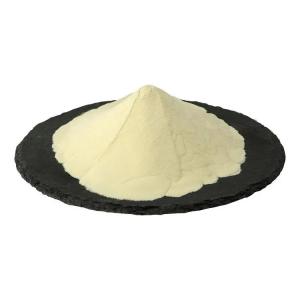
The stability of phosphatidyl serine may vary depending on the formulation environment. Powder products, oil-based preparations, emulsions, and compound ingredient systems can have different requirements.
In powder formulations, moisture absorption and physical changes are important evaluation points. In liquid or oil-based systems, oxidation, dispersion behavior, and compatibility with other ingredients may require closer attention.
Manufacturers should therefore conduct application-specific compatibility studies rather than relying exclusively on the stability data of the original ingredient.
Analytical Methods for Stability Evaluation
Reliable analytical methods are essential for monitoring phosphatidyl serine stability. A combination of compositional analysis and physical testing can provide a more complete understanding of product changes.
Common evaluation approaches include:
Chromatographic analysis: Used to monitor phosphatidyl serine content and changes in the phospholipid profile.
Moisture determination: Helps assess water content during production and storage.
Oxidation-related testing: Used to investigate changes associated with oxidative deterioration.
Physical property evaluation: Examines appearance, color, odor, and handling characteristics.
Packaging integrity testing: Evaluates sealing performance and potential environmental exposure.
Accelerated and long-term stability studies can provide additional information for determining suitable storage conditions and shelf-life specifications.
Establishing a Comprehensive Quality Management System
Product stability should be managed throughout the entire manufacturing and distribution process. A comprehensive quality management system can connect raw material inspection, production records, intermediate testing, finished-product analysis, and storage monitoring.
Batch-based stability records help manufacturers compare different production periods and identify recurring quality variations. Clear acceptance criteria also support more consistent decisions during product release.
By integrating stability evaluation into routine quality management, manufacturers can move from reactive inspection toward preventive process control.
Future Trends in Phosphatidyl Serine Stability Research
Future research is likely to focus on improved protective formulations, advanced packaging materials, and more precise analytical technologies.
Research into moisture-resistant and oxidation-resistant packaging may help extend product stability under defined storage conditions. Meanwhile, improved formulation compatibility studies can support the development of phosphatidyl serine products for different application environments.
Digital quality management and predictive stability analysis may also help manufacturers identify potential risks earlier and optimize storage and transportation procedures.
Conclusion
Advances in phosphatidyl serine product stability depend on improvements in raw material consistency, manufacturing conditions, moisture management, oxidation control, packaging technology, and analytical evaluation. By integrating these measures into a comprehensive quality management system, manufacturers can better maintain product characteristics and improve batch consistency. Continued development in formulation science and packaging technology will provide further opportunities to enhance phosphatidyl serine stability across different applications.
Previous:Phosphatidyl serine processing efficiency rises
Next:None