
 CN
CN
News list
News Center





News
Phosphatidyl serine quality control standards are continuously evolving
Time:2026-09-20
Phosphatidyl serine quality control standards are continuously evolving as production technologies, raw material sources, analytical methods, and international trade requirements become increasingly sophisticated. As a phospholipid ingredient used across food, nutrition, cosmetic, and research-related formulations, phosphatidyl serine requires consistent control of identity, purity, composition, physical characteristics, and storage stability.
Modern quality management is moving beyond simple specification testing. Manufacturers are increasingly establishing comprehensive quality control systems that connect raw material inspection, production process monitoring, analytical verification, packaging management, and finished-product release.
Raw Material Quality Control
Raw material quality is an important starting point for phosphatidyl serine production. Different raw material sources can introduce variations in phospholipid composition, fatty acid profiles, moisture levels, residual substances, and physical properties.
Quality control programs therefore commonly include supplier qualification, incoming material inspection, batch documentation, and traceability management. Raw materials should be evaluated according to predefined specifications before entering production.
The development of plant-derived phosphatidyl serine has also increased interest in source verification and consistency. Manufacturers may need to monitor differences between raw material batches and establish suitable acceptance criteria for key compositional parameters.
Identity and Composition Analysis
Accurate identification is fundamental to phosphatidyl serine quality control. Analytical laboratories can use chromatographic techniques and other instrumental methods to characterize phospholipid components and verify product identity.
High-performance liquid chromatography and related chromatographic approaches can provide information about phospholipid composition. Depending on the product specification, laboratories may also examine the distribution of phosphatidyl serine relative to other phospholipid fractions.
As analytical technology develops, quality control is increasingly focused on detailed compositional profiles rather than relying on a single assay result.
Purity and Related Substances
Purity specifications are another important component of phosphatidyl serine quality management. Manufacturers may establish limits for related phospholipids, residual processing substances, moisture, and other parameters according to the intended product grade.
Advanced analytical methods can provide improved separation and detection of closely related phospholipid components. This enables manufacturers to better distinguish between batches and identify deviations during production.
Consistent testing procedures are particularly important when products are supplied to different markets, because customers may apply different technical specifications or documentation requirements.
Physical Property Control
Phosphatidyl serine can exhibit changes in physical characteristics depending on raw material composition, processing conditions, particle size, moisture, and packaging.
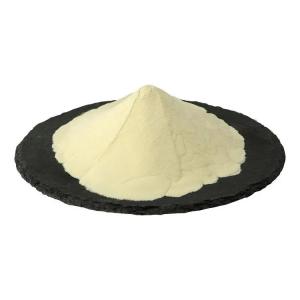
Common physical quality considerations may include appearance, color, odor, particle characteristics, dispersibility, and moisture content. Establishing clearly defined acceptance ranges helps manufacturers maintain consistency between production batches.
For powdered products, particle-size distribution and flow characteristics can also influence downstream handling and formulation processes. These parameters may therefore become part of more comprehensive quality specifications.
Oxidation and Stability Monitoring
Phospholipid materials require careful stability management because their composition can be affected by environmental conditions. Oxygen, light, temperature, and moisture are important factors that may influence product stability during manufacturing and storage.
Quality control programs increasingly incorporate stability studies to evaluate changes over time. Depending on the product, monitoring may include appearance, moisture, oxidation-related indicators, phospholipid composition, and other relevant analytical parameters.
Stability data can also support decisions concerning packaging materials, storage conditions, transportation requirements, and product shelf-life specifications.
Analytical Method Standardization
One major direction in phosphatidyl serine quality control is the standardization of analytical methods. Different laboratories may obtain different results when sample preparation, chromatographic conditions, reference materials, or calculation methods are not sufficiently harmonized.
Manufacturers are therefore placing greater emphasis on validated analytical procedures, reference standards, instrument calibration, system suitability, and laboratory quality assurance.
Method validation can evaluate parameters such as specificity, precision, accuracy, linearity, detection capability, and robustness. These practices help improve comparability between laboratories and production sites.
Batch-to-Batch Consistency
Batch consistency has become increasingly important as phosphatidyl serine moves into more standardized commercial applications. A high-quality production system should not only meet the minimum specification but also maintain relatively consistent characteristics across different batches.
Statistical process control can be used to monitor critical quality attributes and identify gradual process changes. Historical batch data can help manufacturers establish realistic control ranges and investigate abnormal variations.
This approach shifts quality management from final-product inspection toward continuous process control.
Traceability and Documentation
Modern quality systems increasingly require detailed documentation throughout the supply chain. Batch numbers, raw material sources, production records, analytical results, packaging information, and storage records can be integrated into a traceability system.
Electronic documentation and digital quality-management platforms can further improve data accessibility and reduce manual recordkeeping. Such systems are particularly useful for manufacturers serving multiple customers or international markets.
Complete documentation also makes it easier to investigate deviations and conduct batch-specific quality assessments.
Evolving Regulatory and Customer Requirements
Phosphatidyl serine quality standards can vary according to product category, geographical market, raw material source, and customer requirements. As international trade expands, manufacturers may need to manage multiple specification systems simultaneously.
Customers are increasingly requesting detailed certificates of analysis, technical specifications, allergen information, source documentation, stability data, and traceability records. This trend encourages manufacturers to build more transparent and standardized quality systems.
Rather than relying on a single universal specification, companies may establish product-specific quality profiles that address the requirements of different markets and applications.
Digital Quality Control
Digital technologies are becoming another important element of modern phosphatidyl serine quality management. Laboratory information management systems, automated analytical instruments, electronic batch records, and production monitoring platforms can connect laboratory data with manufacturing information.
Digital systems can support real-time data collection, trend analysis, deviation management, and batch release workflows. When combined with appropriate quality procedures, these technologies can improve consistency and traceability.
Future quality systems may increasingly integrate analytical data with production parameters to identify potential quality deviations at an earlier stage.
Conclusion
Phosphatidyl serine quality control standards are continuously evolving alongside advances in analytical technology, manufacturing processes, raw material sourcing, and international market requirements. Quality management is gradually moving from basic final-product testing toward a comprehensive system covering raw materials, production processes, analytical methods, physical properties, stability, documentation, and traceability.
For manufacturers, establishing standardized analytical procedures and maintaining consistent batch-to-batch quality will remain important. At the same time, flexible quality systems that can adapt to changing customer specifications and market requirements will become increasingly valuable. Through continuous improvement in testing technology, process monitoring, and documentation, phosphatidyl serine producers can build more consistent and transparent quality-control systems.
Modern quality management is moving beyond simple specification testing. Manufacturers are increasingly establishing comprehensive quality control systems that connect raw material inspection, production process monitoring, analytical verification, packaging management, and finished-product release.
Raw Material Quality Control
Raw material quality is an important starting point for phosphatidyl serine production. Different raw material sources can introduce variations in phospholipid composition, fatty acid profiles, moisture levels, residual substances, and physical properties.
Quality control programs therefore commonly include supplier qualification, incoming material inspection, batch documentation, and traceability management. Raw materials should be evaluated according to predefined specifications before entering production.
The development of plant-derived phosphatidyl serine has also increased interest in source verification and consistency. Manufacturers may need to monitor differences between raw material batches and establish suitable acceptance criteria for key compositional parameters.
Identity and Composition Analysis
Accurate identification is fundamental to phosphatidyl serine quality control. Analytical laboratories can use chromatographic techniques and other instrumental methods to characterize phospholipid components and verify product identity.
High-performance liquid chromatography and related chromatographic approaches can provide information about phospholipid composition. Depending on the product specification, laboratories may also examine the distribution of phosphatidyl serine relative to other phospholipid fractions.
As analytical technology develops, quality control is increasingly focused on detailed compositional profiles rather than relying on a single assay result.
Purity and Related Substances
Purity specifications are another important component of phosphatidyl serine quality management. Manufacturers may establish limits for related phospholipids, residual processing substances, moisture, and other parameters according to the intended product grade.
Advanced analytical methods can provide improved separation and detection of closely related phospholipid components. This enables manufacturers to better distinguish between batches and identify deviations during production.
Consistent testing procedures are particularly important when products are supplied to different markets, because customers may apply different technical specifications or documentation requirements.
Physical Property Control
Phosphatidyl serine can exhibit changes in physical characteristics depending on raw material composition, processing conditions, particle size, moisture, and packaging.
Common physical quality considerations may include appearance, color, odor, particle characteristics, dispersibility, and moisture content. Establishing clearly defined acceptance ranges helps manufacturers maintain consistency between production batches.
For powdered products, particle-size distribution and flow characteristics can also influence downstream handling and formulation processes. These parameters may therefore become part of more comprehensive quality specifications.
Oxidation and Stability Monitoring
Phospholipid materials require careful stability management because their composition can be affected by environmental conditions. Oxygen, light, temperature, and moisture are important factors that may influence product stability during manufacturing and storage.
Quality control programs increasingly incorporate stability studies to evaluate changes over time. Depending on the product, monitoring may include appearance, moisture, oxidation-related indicators, phospholipid composition, and other relevant analytical parameters.
Stability data can also support decisions concerning packaging materials, storage conditions, transportation requirements, and product shelf-life specifications.
Analytical Method Standardization
One major direction in phosphatidyl serine quality control is the standardization of analytical methods. Different laboratories may obtain different results when sample preparation, chromatographic conditions, reference materials, or calculation methods are not sufficiently harmonized.
Manufacturers are therefore placing greater emphasis on validated analytical procedures, reference standards, instrument calibration, system suitability, and laboratory quality assurance.
Method validation can evaluate parameters such as specificity, precision, accuracy, linearity, detection capability, and robustness. These practices help improve comparability between laboratories and production sites.
Batch-to-Batch Consistency
Batch consistency has become increasingly important as phosphatidyl serine moves into more standardized commercial applications. A high-quality production system should not only meet the minimum specification but also maintain relatively consistent characteristics across different batches.
Statistical process control can be used to monitor critical quality attributes and identify gradual process changes. Historical batch data can help manufacturers establish realistic control ranges and investigate abnormal variations.
This approach shifts quality management from final-product inspection toward continuous process control.
Traceability and Documentation
Modern quality systems increasingly require detailed documentation throughout the supply chain. Batch numbers, raw material sources, production records, analytical results, packaging information, and storage records can be integrated into a traceability system.
Electronic documentation and digital quality-management platforms can further improve data accessibility and reduce manual recordkeeping. Such systems are particularly useful for manufacturers serving multiple customers or international markets.
Complete documentation also makes it easier to investigate deviations and conduct batch-specific quality assessments.
Evolving Regulatory and Customer Requirements
Phosphatidyl serine quality standards can vary according to product category, geographical market, raw material source, and customer requirements. As international trade expands, manufacturers may need to manage multiple specification systems simultaneously.
Customers are increasingly requesting detailed certificates of analysis, technical specifications, allergen information, source documentation, stability data, and traceability records. This trend encourages manufacturers to build more transparent and standardized quality systems.
Rather than relying on a single universal specification, companies may establish product-specific quality profiles that address the requirements of different markets and applications.
Digital Quality Control
Digital technologies are becoming another important element of modern phosphatidyl serine quality management. Laboratory information management systems, automated analytical instruments, electronic batch records, and production monitoring platforms can connect laboratory data with manufacturing information.
Digital systems can support real-time data collection, trend analysis, deviation management, and batch release workflows. When combined with appropriate quality procedures, these technologies can improve consistency and traceability.
Future quality systems may increasingly integrate analytical data with production parameters to identify potential quality deviations at an earlier stage.
Conclusion
Phosphatidyl serine quality control standards are continuously evolving alongside advances in analytical technology, manufacturing processes, raw material sourcing, and international market requirements. Quality management is gradually moving from basic final-product testing toward a comprehensive system covering raw materials, production processes, analytical methods, physical properties, stability, documentation, and traceability.
For manufacturers, establishing standardized analytical procedures and maintaining consistent batch-to-batch quality will remain important. At the same time, flexible quality systems that can adapt to changing customer specifications and market requirements will become increasingly valuable. Through continuous improvement in testing technology, process monitoring, and documentation, phosphatidyl serine producers can build more consistent and transparent quality-control systems.