
 CN
CN
News list
News Center





News
Phosphatidyl serine storage stability improvement remains an important topic
Time:2026-09-29
Phosphatidyl serine storage stability improvement remains an important topic in the development and production of phospholipid-based ingredients. Because phosphatidyl serine contains unsaturated fatty acid components and has a complex phospholipid structure, its quality can be influenced by oxygen exposure, temperature, moisture, light, packaging conditions, and storage duration.
For manufacturers and formulators, maintaining consistent physicochemical characteristics during transportation and storage is an important part of quality management. Research into storage stability therefore focuses on raw material quality, formulation design, packaging systems, environmental control, and analytical monitoring.
Influence of Raw Material Quality
Storage stability begins with the selection and preparation of suitable phosphatidyl serine raw materials. Differences in phospholipid composition, fatty acid profile, residual moisture, impurities, and processing history can affect subsequent storage behavior.
High-quality starting materials with consistent composition can make stability evaluation more predictable. Controlling residual processing components and minimizing unnecessary impurities can also reduce potential changes during prolonged storage.
For manufacturers, establishing appropriate raw material specifications is therefore an important step in developing a stable phosphatidyl serine product.
Oxidation Control
Oxidation is one of the major considerations in phosphatidyl serine storage. Unsaturated lipid components can undergo oxidative reactions when exposed to oxygen, elevated temperatures, or other unfavorable environmental conditions.
Storage stability studies commonly monitor indicators associated with lipid oxidation and changes in product composition. Reducing oxygen exposure during manufacturing, filling, packaging, and storage can help maintain product quality.
Nitrogen flushing or other controlled-atmosphere packaging approaches may be considered for products that require enhanced protection against oxygen. The suitability of these approaches depends on product specifications and packaging design.
Moisture Management
Moisture can influence the physical characteristics and storage behavior of phosphatidyl serine powders. Excessive moisture uptake may contribute to changes in flowability, agglomeration, particle characteristics, and packaging performance.
Controlling moisture during drying, filling, and storage is therefore an important aspect of stability management. Manufacturing facilities may use controlled environmental conditions during packaging to reduce unnecessary moisture exposure.
Packaging materials with suitable moisture-barrier properties can provide an additional layer of protection during transportation and long-term storage.
Temperature Control
Temperature is another important factor affecting phosphatidyl serine stability. Elevated temperatures can accelerate chemical and physical changes in lipid-based materials, while repeated temperature fluctuations may create additional challenges during transportation and warehousing.
Storage conditions should therefore be established according to product-specific stability data. Temperature-controlled environments can be considered when required by the product specification.
Rather than relying only on a fixed storage recommendation, manufacturers can conduct accelerated and long-term stability studies to determine how different temperature conditions affect product quality over time.
Protection From Light
Light exposure can contribute to degradation reactions in certain lipid-containing materials. Phosphatidyl serine products may therefore benefit from packaging systems designed to limit unnecessary exposure to light.
Opaque or light-resistant packaging materials can be evaluated according to the sensitivity of the product and the expected storage environment. Light-protection requirements should ideally be supported by comparative stability testing rather than determined solely by packaging assumptions.
Packaging Technology Development
Packaging plays a central role in phosphatidyl serine storage stability. A suitable packaging system should provide an appropriate barrier against oxygen, moisture, light, and other environmental factors.
Multilayer films, high-barrier bags, sealed containers, and modified-atmosphere packaging can be evaluated for different product formats. The choice depends on powder properties, package size, transportation conditions, and expected storage duration.
Packaging integrity is equally important. Seal strength, leakage resistance, and material compatibility should be assessed to ensure that the protective properties remain effective throughout the intended storage period.
Particle and Powder Characteristics
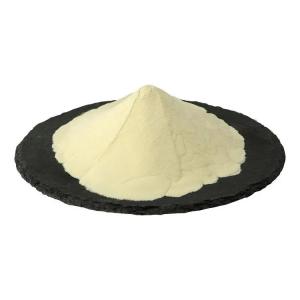
Physical characteristics can also influence storage performance. Particle size distribution, bulk density, flowability, and moisture content may affect how a phosphatidyl serine powder responds to environmental conditions.
Changes in moisture or temperature can sometimes promote particle aggregation or alter powder handling properties. Controlling particle characteristics during production can therefore support more consistent storage behavior.
Process optimization should consider both chemical stability and physical stability rather than treating them as completely separate factors.
Stability Testing and Analytical Monitoring
A systematic stability program is essential for evaluating phosphatidyl serine during storage. Long-term studies can monitor changes under intended storage conditions, while accelerated studies can provide information about potential degradation trends under more demanding environments.
Typical evaluations may include appearance, moisture content, phospholipid composition, oxidation-related indicators, particle characteristics, and other product-specific quality parameters.
Analytical methods with good sensitivity and reproducibility are particularly important when relatively small changes need to be detected over extended storage periods.
Transportation and Supply Chain Considerations
Storage stability does not end at the production facility. Phosphatidyl serine may experience temperature changes, humidity fluctuations, vibration, and extended transportation periods during distribution.
Supply-chain management should therefore consider packaging protection, warehouse conditions, transportation duration, and seasonal environmental variations. Data generated from stability studies can help manufacturers establish appropriate handling requirements for different distribution scenarios.
Improved traceability can also help manufacturers identify environmental conditions associated with changes in product quality.
Future Research Directions
Future research on phosphatidyl serine storage stability is likely to focus on the interaction between formulation, packaging, and environmental conditions. Advanced analytical techniques can provide more detailed information about changes in phospholipid composition and oxidation behavior during storage.
Digital monitoring systems may also support real-time tracking of temperature and humidity throughout the supply chain. Combining these data with stability models could improve storage-condition management and help manufacturers establish more precise product specifications.
Research into high-barrier packaging, controlled-atmosphere systems, optimized powder structures, and improved production processes may further contribute to longer and more predictable storage stability.
Conclusion
Phosphatidyl serine storage stability improvement remains an important topic because product quality can be affected by oxidation, moisture, temperature, light, packaging conditions, and transportation environments. Effective stability management requires a comprehensive approach covering raw material control, manufacturing conditions, powder characteristics, packaging technology, storage environments, and analytical testing.
By combining long-term stability studies with accelerated testing and systematic quality monitoring, manufacturers can better understand storage behavior and develop more consistent handling and packaging strategies for phosphatidyl serine products.
For manufacturers and formulators, maintaining consistent physicochemical characteristics during transportation and storage is an important part of quality management. Research into storage stability therefore focuses on raw material quality, formulation design, packaging systems, environmental control, and analytical monitoring.
Influence of Raw Material Quality
Storage stability begins with the selection and preparation of suitable phosphatidyl serine raw materials. Differences in phospholipid composition, fatty acid profile, residual moisture, impurities, and processing history can affect subsequent storage behavior.
High-quality starting materials with consistent composition can make stability evaluation more predictable. Controlling residual processing components and minimizing unnecessary impurities can also reduce potential changes during prolonged storage.
For manufacturers, establishing appropriate raw material specifications is therefore an important step in developing a stable phosphatidyl serine product.
Oxidation Control
Oxidation is one of the major considerations in phosphatidyl serine storage. Unsaturated lipid components can undergo oxidative reactions when exposed to oxygen, elevated temperatures, or other unfavorable environmental conditions.
Storage stability studies commonly monitor indicators associated with lipid oxidation and changes in product composition. Reducing oxygen exposure during manufacturing, filling, packaging, and storage can help maintain product quality.
Nitrogen flushing or other controlled-atmosphere packaging approaches may be considered for products that require enhanced protection against oxygen. The suitability of these approaches depends on product specifications and packaging design.
Moisture Management
Moisture can influence the physical characteristics and storage behavior of phosphatidyl serine powders. Excessive moisture uptake may contribute to changes in flowability, agglomeration, particle characteristics, and packaging performance.
Controlling moisture during drying, filling, and storage is therefore an important aspect of stability management. Manufacturing facilities may use controlled environmental conditions during packaging to reduce unnecessary moisture exposure.
Packaging materials with suitable moisture-barrier properties can provide an additional layer of protection during transportation and long-term storage.
Temperature Control
Temperature is another important factor affecting phosphatidyl serine stability. Elevated temperatures can accelerate chemical and physical changes in lipid-based materials, while repeated temperature fluctuations may create additional challenges during transportation and warehousing.
Storage conditions should therefore be established according to product-specific stability data. Temperature-controlled environments can be considered when required by the product specification.
Rather than relying only on a fixed storage recommendation, manufacturers can conduct accelerated and long-term stability studies to determine how different temperature conditions affect product quality over time.
Protection From Light
Light exposure can contribute to degradation reactions in certain lipid-containing materials. Phosphatidyl serine products may therefore benefit from packaging systems designed to limit unnecessary exposure to light.
Opaque or light-resistant packaging materials can be evaluated according to the sensitivity of the product and the expected storage environment. Light-protection requirements should ideally be supported by comparative stability testing rather than determined solely by packaging assumptions.
Packaging Technology Development
Packaging plays a central role in phosphatidyl serine storage stability. A suitable packaging system should provide an appropriate barrier against oxygen, moisture, light, and other environmental factors.
Multilayer films, high-barrier bags, sealed containers, and modified-atmosphere packaging can be evaluated for different product formats. The choice depends on powder properties, package size, transportation conditions, and expected storage duration.
Packaging integrity is equally important. Seal strength, leakage resistance, and material compatibility should be assessed to ensure that the protective properties remain effective throughout the intended storage period.
Particle and Powder Characteristics
Physical characteristics can also influence storage performance. Particle size distribution, bulk density, flowability, and moisture content may affect how a phosphatidyl serine powder responds to environmental conditions.
Changes in moisture or temperature can sometimes promote particle aggregation or alter powder handling properties. Controlling particle characteristics during production can therefore support more consistent storage behavior.
Process optimization should consider both chemical stability and physical stability rather than treating them as completely separate factors.
Stability Testing and Analytical Monitoring
A systematic stability program is essential for evaluating phosphatidyl serine during storage. Long-term studies can monitor changes under intended storage conditions, while accelerated studies can provide information about potential degradation trends under more demanding environments.
Typical evaluations may include appearance, moisture content, phospholipid composition, oxidation-related indicators, particle characteristics, and other product-specific quality parameters.
Analytical methods with good sensitivity and reproducibility are particularly important when relatively small changes need to be detected over extended storage periods.
Transportation and Supply Chain Considerations
Storage stability does not end at the production facility. Phosphatidyl serine may experience temperature changes, humidity fluctuations, vibration, and extended transportation periods during distribution.
Supply-chain management should therefore consider packaging protection, warehouse conditions, transportation duration, and seasonal environmental variations. Data generated from stability studies can help manufacturers establish appropriate handling requirements for different distribution scenarios.
Improved traceability can also help manufacturers identify environmental conditions associated with changes in product quality.
Future Research Directions
Future research on phosphatidyl serine storage stability is likely to focus on the interaction between formulation, packaging, and environmental conditions. Advanced analytical techniques can provide more detailed information about changes in phospholipid composition and oxidation behavior during storage.
Digital monitoring systems may also support real-time tracking of temperature and humidity throughout the supply chain. Combining these data with stability models could improve storage-condition management and help manufacturers establish more precise product specifications.
Research into high-barrier packaging, controlled-atmosphere systems, optimized powder structures, and improved production processes may further contribute to longer and more predictable storage stability.
Conclusion
Phosphatidyl serine storage stability improvement remains an important topic because product quality can be affected by oxidation, moisture, temperature, light, packaging conditions, and transportation environments. Effective stability management requires a comprehensive approach covering raw material control, manufacturing conditions, powder characteristics, packaging technology, storage environments, and analytical testing.
By combining long-term stability studies with accelerated testing and systematic quality monitoring, manufacturers can better understand storage behavior and develop more consistent handling and packaging strategies for phosphatidyl serine products.