
 CN
News list
News Center





News
Phosphatidyl serine supply improves
Time:2026-10-23
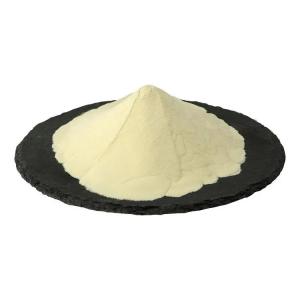
Phosphatidyl serine (PS) is an important phospholipid ingredient used in dietary supplements, specialized food formulations, and other ingredient-based products. As market interest continues to develop, the phosphatidyl serine supply chain is placing greater emphasis on production capacity, raw material availability, product consistency, and delivery reliability.
Improvements in manufacturing processes, supplier coordination, and inventory management are helping create a more organized supply environment. These developments can support buyers seeking dependable sourcing options and manufacturers working to meet changing customer requirements.
Improvements in Raw Material Availability
Raw material availability is a major factor influencing phosphatidyl serine production. Differences in source materials, phospholipid composition, and processing suitability can affect manufacturing efficiency and finished-product quality.
To improve supply stability, manufacturers are strengthening raw material procurement procedures and establishing more systematic supplier evaluation practices. Diversifying qualified sources can also help reduce dependence on a single supplier and provide greater flexibility when market conditions change.
Consistent raw material inspection is equally important. By monitoring composition, quality attributes, and batch variability, producers can select suitable materials for their manufacturing processes and reduce the likelihood of unexpected production interruptions.
Manufacturing Capacity and Process Optimization
Improvements in production capacity are closely connected to advances in extraction, purification, and process control. Manufacturers are reviewing existing production lines to identify opportunities to improve equipment utilization, reduce processing losses, and streamline manufacturing operations.
Optimized extraction conditions and more efficient separation procedures may increase material recovery while helping maintain product specifications. Automated monitoring systems can also improve consistency between batches by controlling important process parameters.
Rather than relying exclusively on expanding physical facilities, some manufacturers may improve effective output through better production scheduling, preventive equipment maintenance, and reduced downtime. These measures can contribute to a more flexible supply structure.
Strengthening Quality Assurance
Reliable supply depends not only on product availability but also on consistent quality. Buyers of phosphatidyl serine commonly consider identity, phospholipid content, purity, moisture, residual solvents, and other relevant specifications when evaluating suppliers.
Manufacturers are therefore placing greater emphasis on standardized quality management procedures, in-process testing, and finished-product inspection. Batch documentation and traceability help connect raw material records with manufacturing and release information.
Certificates of analysis can provide buyers with essential batch-specific data, although the reported parameters should be reviewed against the buyer's own requirements. Clear specifications and consistent analytical methods can reduce misunderstandings between suppliers and customers.
Supply Chain Coordination and Inventory Management
Supply chain coordination plays an important role in maintaining stable phosphatidyl serine availability. Procurement teams, production departments, warehouses, and logistics providers must work together to align material supply with customer demand.
Improved demand forecasting can help manufacturers plan production more effectively and avoid excessive inventory accumulation. Appropriate safety stock may provide additional flexibility when raw material deliveries or transportation schedules are disrupted.
Inventory management must also account for the storage requirements of lipid-based ingredients. Suitable packaging, temperature management where necessary, and stock rotation procedures help maintain product quality throughout storage and distribution.
Supplier Diversification and Global Sourcing
Global sourcing gives buyers access to different manufacturers, product grades, and production capabilities. However, differences in manufacturing standards, documentation, lead times, and transportation arrangements can complicate supplier selection.
Companies are increasingly evaluating suppliers according to several factors, including product consistency, production capability, technical support, documentation quality, and delivery performance. Supplier audits and sample evaluations can provide additional information before long-term purchasing agreements are established.
Maintaining more than one qualified source may improve procurement flexibility. Nevertheless, alternative suppliers should meet the same essential quality requirements to ensure that sourcing changes do not introduce unnecessary product variability.
Packaging and Transportation Improvements
Packaging and transportation conditions can influence the quality of phosphatidyl serine during distribution. Exposure to oxygen, excessive heat, moisture, and unsuitable storage environments may affect certain product characteristics.
Manufacturers and distributors therefore need to select packaging appropriate to the product's physical form and expected transport conditions. Clear labeling, suitable protective packaging, and documented storage recommendations can help reduce handling errors.
For international shipments, coordinated documentation and advance logistics planning can also reduce delays. Better communication between suppliers, freight providers, and buyers supports more predictable delivery schedules.
Market Demand and Procurement Strategies
Demand for phosphatidyl serine may vary according to customer purchasing cycles, formulation development, seasonal ordering patterns, and broader market conditions. Supply planning must therefore remain responsive to changes in order volume and product specifications.
Buyers can improve procurement efficiency by providing suppliers with clearer forecasts, confirming technical requirements early, and allowing sufficient time for sample approval and quality verification. Long-term purchasing arrangements may offer additional planning stability when volumes and specifications are reasonably predictable.
At the same time, procurement decisions should consider more than quoted prices. Product quality, actual availability, lead times, documentation, and consistency between shipments all contribute to the overall value of a supplier relationship.
Challenges in Maintaining Supply Stability
Although supply chain improvements can strengthen availability, several challenges remain. Raw material fluctuations, equipment maintenance, production scheduling, transportation disruptions, and changing customer specifications may all influence delivery performance.
Phosphatidyl serine manufacturers must also balance production efficiency with quality assurance. Increasing output without adequate process control may create inconsistencies that undermine customer confidence.
Effective risk management involves identifying potential bottlenecks, maintaining qualified sourcing alternatives, reviewing inventory policies, and establishing clear communication procedures. These measures can help businesses respond more effectively to unexpected changes.
Future Outlook for Phosphatidyl Serine Supply
The future development of phosphatidyl serine supply is likely to emphasize manufacturing efficiency, supplier transparency, digital inventory management, and more systematic quality control. Better coordination between raw material suppliers and ingredient manufacturers may improve production planning and reduce avoidable delays.
Further improvements in extraction and purification technologies could also support more efficient manufacturing, provided that process changes are validated and product specifications are maintained. Meanwhile, demand forecasting and traceability systems may help buyers make more informed sourcing decisions.
As supply chains become more integrated, reliable documentation, consistent quality, and responsive customer service will remain important factors in supplier competitiveness.
Conclusion
Phosphatidyl serine supply can become more reliable through coordinated improvements in raw material sourcing, manufacturing efficiency, quality assurance, inventory planning, and logistics management. These measures help manufacturers respond to customer requirements while supporting more predictable procurement operations.
For buyers, careful supplier evaluation and clear product specifications remain essential. For manufacturers, continued investment in process optimization and supply chain coordination can provide a stronger foundation for sustainable business development in the phosphatidyl serine market.
Previous:Phosphatidyl serine research continues
Next:None