
 CN
News list
News Center





News
Phosphatidyl serine market demand expands
Time:2026-11-02
Phosphatidyl serine is a phospholipid ingredient used in dietary supplements, nutritional formulations, and other specialized ingredient applications. As the global ingredient industry continues to evolve, market demand for phosphatidyl serine is expanding alongside developments in product formulation, ingredient sourcing, and manufacturing technology.
The market is influenced by several factors, including customer requirements for consistent quality, the diversification of finished-product formats, improvements in production processes, and the development of distribution networks. These changes are creating new opportunities for manufacturers and suppliers to strengthen their market positions.
Diversification of Application Markets
The expansion of application markets is an important factor shaping phosphatidyl serine demand. Ingredient manufacturers and product developers are exploring different formulation formats, including powders, capsules, tablets, and blended nutritional products.
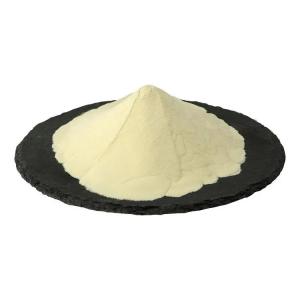
Each format presents specific requirements for ingredient handling, processing, packaging, and storage. Powder characteristics, moisture control, and compatibility with other formulation components can influence the selection of suitable phosphatidyl serine grades.
As downstream applications become more diversified, suppliers have opportunities to provide products with different specifications and packaging options. Understanding the technical requirements of individual applications can help manufacturers develop more targeted product portfolios.
Increasing Attention to Ingredient Quality
Quality consistency is becoming an important consideration in the phosphatidyl serine market. Buyers increasingly need reliable specifications and clear documentation to support raw material evaluation, production planning, and finished-product quality management.
Important quality parameters may include phosphatidyl serine content, phospholipid composition, moisture levels, appearance, and other characteristics defined by the intended application. Appropriate analytical methods help suppliers monitor these parameters and maintain consistency between production batches.
Manufacturers that establish robust quality management systems can improve procurement confidence and strengthen long-term relationships with customers. Reliable documentation and traceability also support communication between suppliers, distributors, and downstream production facilities.
Manufacturing Technology Supports Market Expansion
Advances in manufacturing technology can help suppliers respond to increasing customer requirements. Improvements in extraction, separation, purification, drying, and process monitoring may contribute to more efficient production and better control of ingredient characteristics.
Process optimization is particularly important when manufacturers need to increase production capacity while maintaining established quality specifications. Efficient material utilization, consistent operating conditions, and effective in-process testing can help reduce production variability.
As manufacturing capabilities improve, suppliers may gain greater flexibility in serving customers with different order volumes and product requirements. However, successful capacity expansion also depends on raw material availability, equipment investment, quality assurance, and supply chain coordination.
Raw Material Sourcing and Supply Chain Development
The reliability of raw material sourcing can influence the availability and commercial stability of phosphatidyl serine. Suppliers must evaluate source quality, purchasing costs, production suitability, and the consistency of incoming materials.
Diversifying qualified suppliers may help manufacturers manage procurement risks and respond to changes in market conditions. At the same time, raw materials from different sources require appropriate evaluation to ensure that they meet established manufacturing and quality requirements.
Distribution efficiency is another important consideration. Effective inventory planning, suitable packaging, and coordinated transportation can help maintain product quality and improve delivery reliability across regional and international markets.
Product Specifications and Customization
As demand develops across different application sectors, customers may seek phosphatidyl serine ingredients with more specific technical characteristics. Requirements can vary according to concentration, composition, physical properties, packaging format, and intended processing conditions.
Suppliers can respond by refining product specifications and improving technical communication with customers. Clear documentation helps buyers compare available grades and determine whether a particular ingredient is appropriate for their manufacturing process.
Customization must be supported by consistent production controls and appropriate analytical verification. A well-managed product portfolio can help suppliers serve different customer segments without compromising quality standards.
Market Competition and Commercial Opportunities
Expanding demand can create opportunities for ingredient producers, distributors, and specialized raw material suppliers. However, market growth may also intensify competition in pricing, product quality, delivery performance, and technical support.
Manufacturers seeking to strengthen their competitive positions need to consider more than production volume. Reliable supply, transparent specifications, responsive customer service, and effective quality management can all contribute to long-term commercial relationships.
Regional market requirements may also differ because of regulatory frameworks, product categories, distribution structures, and customer purchasing practices. Businesses entering new markets should evaluate these factors before making major capacity or investment decisions.
Sustainability and Operational Efficiency
Sustainability and resource efficiency are gaining attention across the specialty ingredient industry. In phosphatidyl serine production, potential improvement areas include raw material utilization, energy consumption, process waste, solvent management, and packaging efficiency.
Manufacturers can evaluate these areas through process monitoring and operational performance assessments. Improvements that reduce waste while maintaining product quality may help support both production efficiency and environmental objectives.
Supply chain transparency can further strengthen commercial relationships by providing customers with clearer information about raw material sourcing, manufacturing controls, and product handling.
Future Outlook for Phosphatidyl Serine Demand
The future development of phosphatidyl serine demand will depend on downstream product development, customer purchasing patterns, manufacturing economics, and the ability of suppliers to maintain consistent quality. New formulation opportunities may support market development, while raw material costs, competition, and regulatory requirements will continue to influence commercial performance.
For manufacturers, flexible production planning and reliable quality systems will be important when responding to changing order volumes. For distributors, effective inventory management and dependable supplier relationships can help improve service levels and reduce supply disruptions.
Rather than relying on demand growth alone, businesses should monitor customer requirements, regional market conditions, and changes in competing ingredient offerings when making strategic decisions.
Conclusion
Phosphatidyl serine market demand is developing alongside the diversification of nutritional formulations, improvements in ingredient manufacturing, and increasing attention to quality consistency. Opportunities exist across product development, supply chain management, specialized specifications, and regional distribution.
To respond effectively, manufacturers and suppliers need to combine production efficiency with reliable sourcing, analytical quality control, and customer-focused technical support. These capabilities can help businesses adapt to evolving market conditions and build a more sustainable position in the phosphatidyl serine ingredient industry.
Previous:Phosphatidyl serine ingredient trends evolve
Next:None