
 CN
CN


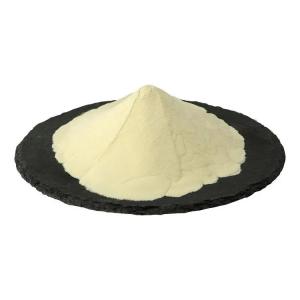


The mild and safe characteristic of refined phospholipids with almost no allergenicity
Time:2026-07-30Crude plant-derived and animal-derived phospholipids contain residual allergenic components such as protein fragments, globulins and antigenic impurities. These substances may trigger allergic reactions in sensitive populations, which restricts the application scope of phospholipids in infant food, special medical food and hypoallergenic nutritional formulations. High-grade refined phospholipids adopt multi-stage separation, degumming, deproteinization and purification processes to effectively remove macromolecular allergen residues. The finished products achieve extremely low allergen levels, presenting mild and safe low-allergen characteristics. This paper sorts out the main allergen sources in crude phospholipids, elaborates the purification technical path to reduce allergen content, analyzes the safety advantages of low-allergen refined phospholipids, and explores the application development value in high-standard food and nutritional product scenarios.
1. Sources of allergens in unrefined crude phospholipids
Phospholipids are mostly extracted from soybean, egg yolk and other raw materials. Crude phospholipids obtained by initial extraction carry a variety of inherent allergenic impurities.
Soybean-derived crude phospholipids contain residual soybean storage proteins, glycinin and β-conglycinin, which are recognized major food allergens. Egg yolk crude phospholipids retain egg protein fragments, posing risks to egg-allergic groups. In addition, incomplete separation processes may introduce polysaccharide impurities and microbial metabolites with potential antigenicity.
These residual macromolecular proteins cannot be removed by simple filtration. During product application, they may induce adverse symptoms including skin itching, gastrointestinal discomfort and respiratory irritation in allergic susceptible people. For special crowds such as infants, pregnant women and patients with allergic constitution, crude phospholipids have obvious application limitations. Many food brands face label declaration risks and market access obstacles when using unpurified phospholipid raw materials.
2. Purification mechanism for refined phospholipids to realize low allergen characteristics
The low allergenic performance of refined phospholipids is built on systematic deep purification technology. Multiple processing units cooperate to intercept and remove allergenic impurities step by step.
High-efficiency deproteinization treatment. Physical separation combined with solvent extraction removes most insoluble and soluble protein macromolecules. Large protein aggregates are precipitated and separated from the phospholipid lipid phase, cutting off the primary source of allergens.
Multi-stage continuous refining and degumming. The process removes water-soluble colloid, sugar compounds and combined protein complexes that are difficult to separate in crude oil systems, further reducing trace antigen residues.
Membrane separation and molecular fractionation technology. Utilize the difference in molecular weight between phospholipid molecules and macromolecular allergens to intercept residual protein fragments, retain target phospholipid components, and avoid excessive loss of effective lipid substances.
Finished product impurity detection and control. Strict batch inspection of residual protein indicators is implemented. Qualified refined phospholipids control trace protein residues to an extremely low concentration range, reaching the standard of nearly no detectable allergens.
After the above process treatment, the phospholipid main component remains intact, and the amphiphilic emulsification, antioxidant and anti-starch aging functions are not damaged while allergen impurities are eliminated.
3. Safety and application advantages of low-allergen refined phospholipids
(1) Expand applicable consumer groups
Low-allergen refined phospholipids greatly reduce the risk of allergic induction. They can be used in formula products targeting sensitive groups, including children’s nutritional food, pregnant and lactating women’s supplements, hypoallergenic meal replacement powder, and people with mild soybean allergies who cannot tolerate crude soybean phospholipids.
(2) Meet strict regulatory and label requirements
Many countries and regions implement mandatory labeling management for major allergens. Refined phospholipids with ultra-low residual protein can support flexible label design, reduce allergen warning restrictions, and facilitate product registration, supermarket access and cross-border export.
(3) Maintain stable functional properties without adding auxiliary additives
Different from modified phospholipids processed by special chemical derivatization, physical refined low-allergen phospholipids belong to natural raw material upgrading. They retain the original nutritional activity of phosphatidylcholine and other components, and simultaneously have emulsification, membrane compatibility and anti-aging effects, matching the clean-label development trend.
(4) Improve formulation compatibility in special medical food
Special nutritional formulations have extremely strict control over allergen contamination. Low-allergen phospholipids serve as safe emulsifiers and nutritional active ingredients, providing reliable raw material options for liquid nutritional preparations, enteral nutrition suspensions and solid medical food.
4. Differentiation comparison between crude phospholipids and refined low-allergen phospholipids
Crude phospholipids: High residual protein content, obvious allergen risk; limited to general baked food, ordinary industrial emulsification scenarios; mandatory allergen labeling is usually required.
Conventional primary refined phospholipids: Partial protein removed, still containing trace allergen fragments; not recommended for high-risk allergic crowd products.
Deeply refined low-allergen phospholipids: Almost undetectable macromolecular allergen residues; mild and safe, suitable for infant supplementary food, special diet, high-end nutritional supplements and export products with strict allergen standards.
5. Key production control points to stabilize low allergenic characteristics
Raw material source control is the premise. Select high-purity initial oil feedstock and avoid raw materials mixed with miscellaneous protein impurities.
Prevent cross-contamination in production workshops. Independent production lines for low-allergen phospholipids are recommended to avoid mixing with crude phospholipids or allergen-containing raw materials during processing.
Optimize process temperature and solvent dosage. Excessive high temperature may lead to protein denaturation and increase the difficulty of separation; reasonable process parameters ensure efficient impurity removal.
Establish complete batch testing system. Detect soluble protein, residual antigen and other indicators for each batch of finished products, and retain test reports to realize full supply chain traceability.
6. Common development challenges and solutions
The main bottleneck of low-allergen refined phospholipids lies in higher production costs caused by multi-stage purification. Enterprises can carry out differentiated product layout: apply low-allergen specifications to high-end nutritional products and export orders, and adopt conventional phospholipids for general food to balance cost and performance.
Another challenge is the identification of allergen detection methods. Cooperate with qualified third-party testing institutions to adopt standardized protein quantification and allergen analysis methods, so as to provide credible test data supporting product market promotion.
Allergenic residual proteins in crude phospholipids restrict their application in high-standard nutritional and special food fields. Deeply refined phospholipids remove most antigenic impurities through deproteinization, continuous refining and molecular separation processes, forming low-allergen characteristics with nearly no allergens and excellent safety and mildness. While retaining the natural emulsification activity and nutritional value of phospholipids, this raw material solves the hidden danger of allergic reactions of sensitive populations, breaks the limitation of allergen labels, and expands the application boundary of phospholipids in infant food, special medical nutrition, hypoallergenic dietary supplements and export-oriented food products. Low-allergen refined phospholipids become an important optimized raw material choice for food enterprises pursuing high safety standards and clean formula systems.