
 CN
News list
News Center





News
Phosphatidyl serine market competition intensifies
Time:2026-10-28
1. Industry Influence Becomes a Key Competitive Factor
As the phosphatidyl serine market continues to develop, manufacturers are placing greater emphasis on brand recognition, product consistency, technical expertise, and customer relationships. Competition is no longer limited to ingredient availability and pricing. Buyers increasingly evaluate suppliers based on product specifications, raw material sourcing, production capabilities, and their ability to support different formulation requirements.
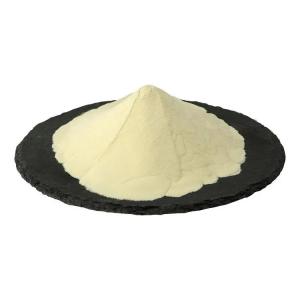
Phosphatidyl serine is used in dietary supplements, functional foods, and other ingredient-based formulations. These applications may require different concentrations, physical forms, and processing characteristics. Manufacturers that understand these differences can establish stronger relationships with customers and develop a more recognizable position in the industry.
Strengthening industry influence therefore requires a coordinated strategy that combines product development, quality management, application support, and market communication.
2. Improve Product Quality and Consistency
Consistent product quality is the foundation of long-term industry recognition. For phosphatidyl serine manufacturers, important considerations include ingredient purity, phosphatidyl serine content, moisture control, impurity management, and batch-to-batch consistency.
A well-established quality management system helps manufacturers monitor raw materials, production parameters, intermediate products, and finished ingredients. Standardized testing procedures also make it easier to identify deviations and maintain reliable product specifications.
In addition, manufacturers should maintain appropriate technical documentation, including product specifications, certificates of analysis, storage recommendations, and relevant safety information. Clear documentation enables customers to evaluate ingredients more efficiently and supports supplier qualification processes.
By combining quality control with transparent product information, manufacturers can build credibility among ingredient distributors, supplement producers, and functional food developers.
3. Strengthen Research and Development Capabilities
Research and development provide manufacturers with opportunities to differentiate their products in an increasingly competitive market. Rather than relying exclusively on standard ingredient grades, companies can explore improvements in processing efficiency, product stability, powder characteristics, and formulation compatibility.
For example, different finished-product applications may require phosphatidyl serine ingredients with specific dispersibility, concentration, or handling properties. Manufacturers that develop products around these requirements can offer more targeted solutions to customers.
Process optimization is another important area. Improvements in raw material utilization, purification, process control, and production consistency may help manufacturers improve operational efficiency while maintaining product quality.
Collaboration with testing laboratories, research institutions, and downstream formulation companies can further strengthen technical capabilities. Over time, accumulated experimental data and application experience can become valuable resources that distinguish a manufacturer from competitors.
4. Expand Application Support and Customer Collaboration
Technical support is an important factor in building a stronger industry position. Customers often need more than an ingredient specification; they also require information about how the ingredient behaves during blending, encapsulation, powder processing, or incorporation into a finished formulation.
Manufacturers can strengthen customer relationships by providing formulation guidance, compatibility assessments, processing recommendations, and troubleshooting support. Where appropriate, application testing can help customers compare different ingredient grades and identify suitable processing conditions.
Close collaboration with downstream manufacturers also allows suppliers to understand changing market requirements at an earlier stage. Feedback on powder handling, product stability, packaging, and production efficiency can inform future product development.
By building practical application expertise, phosphatidyl serine manufacturers can move beyond transactional ingredient sales and establish longer-term technical partnerships.
5. Develop Differentiated Product Portfolios
A differentiated product portfolio helps manufacturers serve customers with varying technical and commercial requirements. Some buyers prioritize standardized powder ingredients for conventional supplement manufacturing, while others may require different concentrations, physical formats, or plant-derived sourcing options.
Manufacturers can organize their portfolios around clearly defined specifications and application needs. Product differentiation should be supported by verifiable technical characteristics rather than promotional language alone.
Source transparency can also contribute to market positioning. Where applicable, information about soy-derived or sunflower-derived raw materials, sourcing practices, and relevant allergen considerations can help customers evaluate ingredient suitability for their intended products.
A focused portfolio makes it easier for buyers to compare options and select products that fit their manufacturing processes. It also helps suppliers allocate research and production resources more effectively.
6. Build Brand Recognition Through Professional Communication
Industry influence depends partly on whether customers recognize a company and understand its capabilities. Manufacturers can strengthen brand awareness through technical articles, industry exhibitions, professional networking, product documentation, and educational content.
Useful communication should explain ingredient specifications, manufacturing considerations, quality management practices, and formulation requirements in a clear and technically accurate manner. Application case studies can be particularly valuable when they describe the relevant conditions and evaluation methods.
Manufacturers should ensure that public-facing information is consistent with available evidence and applicable regulations. In markets where supplement labeling and ingredient claims are subject to specific requirements, careful review of marketing materials is essential.
A consistent professional image, supported by reliable information, can help companies develop stronger relationships with customers and industry partners.
7. Improve Supply Chain Reliability
Reliable supply is another important component of industry influence. Customers need confidence that ingredients will be available according to agreed specifications and delivery schedules.
Manufacturers can improve supply chain performance by diversifying suitable raw material sources, monitoring supplier quality, maintaining appropriate inventory, and planning production according to demand patterns. Batch traceability and documented change management can further support customer confidence.
For international business, clear communication about specifications, packaging, lead times, transportation conditions, and export documentation helps reduce uncertainty during procurement.
Supply reliability becomes particularly valuable when customers need to maintain continuous production or qualify ingredients for established formulations. Manufacturers that combine dependable delivery with consistent technical support can strengthen long-term commercial relationships.
8. Strengthen International Market Readiness
For manufacturers seeking to expand beyond domestic markets, international development requires more than increasing sales activity. Companies must understand the regulatory, documentation, and customer qualification requirements of each target market.
Depending on the destination and intended application, buyers may request detailed ingredient specifications, manufacturing information, quality documentation, traceability records, and evidence supporting relevant product claims.
Manufacturers should therefore establish clear procedures for reviewing market requirements before entering new regions. Product labels, technical documents, and promotional materials should be adapted to the applicable regulatory framework.
Working with qualified distributors and experienced formulation partners can also help manufacturers understand local purchasing practices and develop more effective market strategies.
9. Measure Progress Through Long-Term Performance
Industry influence should be assessed through measurable business and operational indicators rather than brand exposure alone. Manufacturers can monitor customer retention, repeat orders, product qualification rates, complaint resolution, delivery performance, and the success of new product introductions.
Technical indicators, such as batch consistency, testing efficiency, and the time required to resolve application problems, can reveal whether improvements are translating into practical customer value.
Regular reviews of these indicators allow management teams to identify gaps, prioritize investments, and adjust market strategies. Combining commercial performance with quality and technical measures provides a more balanced view of the company's competitive position.
10. Conclusion
Phosphatidyl serine manufacturers can strengthen their industry influence by combining reliable product quality, continuous research, differentiated portfolios, application expertise, and professional market communication.
As buyers increasingly evaluate suppliers on more than price, companies that provide consistent specifications, transparent documentation, dependable delivery, and responsive technical support are better positioned to build lasting partnerships.
In the long term, industry influence is established through sustained performance rather than short-term promotion. Manufacturers that continue investing in quality systems, technical capabilities, supply chain management, and customer collaboration can develop stronger market recognition and a more durable competitive position.