
 CN



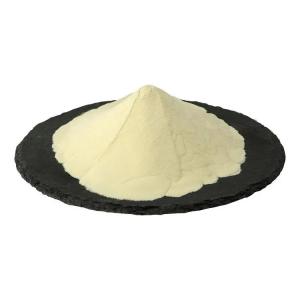


High quality Phosphatidylserine 51446-62-9 Powder Price
Time:2026-11-23Lixing Phosphatidylserine 100 mg Capsules is a non-soy, plant-based phosphatidylserine supplement designed for adults who want to support working memory, attention, and mental resilience without using animal-derived ingredients.
Key Benefits
100 mg phosphatidylserine per capsule – Provides a standardized daily dose that matches the serving size commonly used in human cognitive studies.Sunflower lecithin source, not soy or bovine brain – Avoids common soy allergens and eliminates prion-related safety concerns linked to cattle-sourced supplements.
≥99% purity confirmed by HPLC – Each batch is tested for active-ingredient purity, with a Certificate of Analysis available for every lot.
Two-capsule daily serving (200 mg total) – Allows users to reach the daily intake used in memory and attention research while keeping the capsule small enough to swallow easily.
Third-party heavy-metal testing – Finished capsules are screened against USP<231>limits for lead, arsenic, cadmium, and mercury before release.
Detailed Specifications
| Parameter | Value | Notes |
|---|---|---|
| Product name | Phosphatidylserine 100 mg Capsules | Hard-shell vegetable capsule |
| Active ingredient | Phosphatidylserine | Derived from sunflower lecithin |
| Content per capsule | 100 mg | Batch-tested by HPLC; ≥99% purity |
| Servings per bottle | 60 capsules | One month at 60 capsules per bottle when taken as directed |
| Recommended daily dose | 2 capsules (200 mg) | Take one capsule after breakfast and one after lunch |
| Other ingredients | Microcrystalline cellulose, magnesium stearate, hypromellose | No gelatin, soy, milk, egg, gluten, or artificial colors |
| Allergen profile | Free from the 9 major U.S. food allergens | No peanut, tree nut, wheat, soy, milk, egg, fish, shellfish, or sesame |
| Quality checks | HPLC purity test, heavy-metal screen, microbial limit test | Certificate available per batch number |
| Storage | 15–30°C | Keep sealed in a cool, dry place away from direct sunlight |
Suitable Scenarios
Office professionals: A project manager who loses focus in long afternoon meetings can take the second capsule after lunch to support sustained attention.Adults over 50: Someone who occasionally forgets names or appointments can use two capsules daily as part of a memory-support routine.
Vegan and soy-sensitive users: A person avoiding both animal products and soy can take this sunflower-based formula without conflicting with dietary needs.
Students during exam preparation: A graduate student reviewing dense material can use one capsule with breakfast and one with lunch to support cognitive workload.
Frequent travelers: Business travelers with irregular schedules can store the bottle at room temperature and take it alongside a normal hotel meal.
Common Questions
1. What is phosphatidylserine used for?
Phosphatidylserine is a phospholipid that supports cell membrane integrity, particularly in brain cells. It is commonly used to maintain attention, memory, and mental clarity in adults experiencing occasional forgetfulness or high occupational stress. This product delivers 100 mg per capsule for daily supplementation.
2. How much phosphatidylserine should I take daily?
Most human studies on cognitive function use 100 to 300 mg per day. This product’s labeled dose is two 100 mg capsules, or 200 mg daily. Take one capsule after breakfast and one after lunch. Avoid a later dose if you are sensitive to sleep disturbance.
3. Is Lixing Phosphatidylserine vegan?
Yes. The capsule shell is hypromellose, a plant-based ingredient. The phosphatidylserine comes from sunflower lecithin, not from bovine brain or soy. No gelatin, milk, egg, or animal-derived excipients are used. It is suitable for a vegan or vegetarian diet.
4. How can I verify the purity of this product?
Each bottle has a batch number. The manufacturer provides a Certificate of Analysis showing ≥99% purity by high-performance liquid chromatography and heavy metals within USP<231>limits. The certificate also covers residual solvent and microbial counts. Contact the company with the lot number to request it.
5. Can I take this supplement with other medications?
No known interactions at 200 mg daily, but phosphatidylserine is not a medication. If you take blood thinners, antidepressants, or Alzheimer’s prescriptions, ask a pharmacist before adding it. Pregnant or nursing women need medical consultation first. This is a general safety measure for all dietary supplements.
6. When will I see results?
Some people notice improvements in focus after 4 to 6 weeks; memory-related outcomes typically emerge after 8 to 12 weeks of consistent use. Take two capsules every day, preferably with meals. Even minor misses reduce the total dose and delay response.
7. Should I take it on an empty stomach or with food?
Take it with food, especially food that contains a small amount of fat. Phosphatidylserine is a phospholipid, and dietary fat helps its absorption. Swallow the whole capsule with water. If you have a sensitive stomach, always pair it with a meal.
8. Does it contain soy or animal brain material?
No. The active ingredient is extracted from non-GMO sunflower lecithin only. It has no soy protein, no bovine cortex, and no gelatin. This avoids both soy allergens and the prion concerns associated with cattle-sourced supplements.
Differentiation Summary
Most commercially available phosphatidylserine is made from soy lecithin or bovine brain cortex. Soy-based phosphatidylserine is not an option for people with allergies; bovine-derived phosphatidylserine conflicts with vegan preferences and carries an unnecessary biological-sourcing concern. This sunflower-derived formula delivers a pure, plant-based alternative with a high degree of analytical control. It is best suited for adults who want cognitive support without soy, animal products, or compromised ingredient quality.