
 CN
News list
News Center





News
Phosphatidyl serine product innovation accelerates
Time:2026-11-25
Phosphatidylserine (PS), a natural phospholipid concentrated in brain cell membranes and critical for neural signal transmission, is undergoing a wave of rapid product innovation across the global nutraceutical and functional food sectors. Long known as an ingredient supporting memory and cognitive function in older adults, PS is now being reimagined through upgraded production routes, advanced delivery systems, diversified formulations and expanded application scenarios, opening up new growth space for the brain nutrition track.
Driven by shifting consumer demands, the market logic for PS has changed fundamentally. Beyond the traditional senior memory-care crowd, young office workers, students under exam pressure, fitness enthusiasts and vegan consumers have become important new user groups. Modern lifestyles featuring sustained mental fatigue, high stress and shortened attention spans fuel demand for gentle, clean-label cognitive support ingredients. Corresponding market forecasts show steady expansion, with the global PS market projected to maintain solid compound growth in the coming years, as cognitive health evolves from a senior-focused topic into a lifelong wellness priority.
Raw material and manufacturing innovation lays the foundation for this boom. Early PS mainly relied on extraction from animal brain tissue, which faced safety risks, supply limits and regulatory barriers. Today, enzyme-catalyzed bioconversion using soybean lecithin has become mainstream. New advances in phospholipase D engineering raise conversion yields, cut production costs and improve purity. Meanwhile, algae-sourced and sunflower-derived PS are commercialized rapidly to meet vegan, allergen-free and non-GMO requirements, offering clean-label alternatives to conventional soy-based PS and catering to consumers with strict dietary preferences.
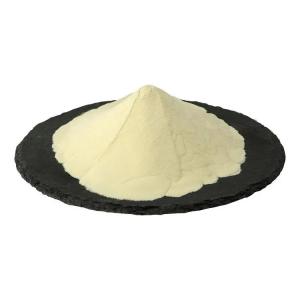
Formulation and delivery technology represent the core innovation frontier. Ordinary PS is lipophilic, poorly dispersible in water and limited by low bioavailability. Manufacturers are solving these pain points with microencapsulation, spray drying, liposomal encapsulation and phytosome technologies. Water-dispersible PS powder enables stable addition to beverages, gummies and dairy, while liposomal PS can significantly boost intestinal absorption and blood concentration compared with standard oral powder or capsule forms. Synergistic compound formulas are also trending: PS is combined with DHA, L-theanine, catechins, ginkgo extracts and magnesium to target different needs. Blends for focus and stress relief help balance cortisol without jitters; formulas for aging support pair PS with gangliosides for comprehensive neural protection.
Product formats are breaking away from the single hard capsule stereotype. PS now appears in softgels, chewable gummies, instant powder sticks, ready-to-drink functional beverages, nutrition bars and even pet supplements. Segment-tailored dosage design becomes standard: moderate doses for daily focus, specific doses for stress management, and optimized regimens for age-related memory comfort. Such segmentation helps brands move away from homogeneous price competition and build differentiated product positioning.
Scientific validation and regulatory progress further underpin commercial expansion. A large body of clinical research supports PS’s roles in supporting memory, attention and healthy stress response. Clear qualified health claims in major markets help brands communicate benefits responsibly. At the same time, research is extending beyond cognitive wellness, exploring PS’s potential in sports recovery, skin barrier care and auxiliary neuro-nutrition solutions, stretching the boundary of its application matrix.
Challenges remain for the industry. Formulation stability, taste masking, consistent bioavailability data and cross-market compliance still test developers. Even so, the innovation momentum is clear. As production technology matures, consumer cognition deepens and downstream product development speeds up, phosphatidylserine is transforming from a niche specialty ingredient into a mainstream pillar of brain health nutrition. The next phase of competition will center on patented delivery systems, evidence-backed compound formulas and sustainable, traceable raw material supply chains.
In the era of rising mental wellness awareness, accelerated PS product innovation delivers more accessible, user-friendly and targeted cognitive nutrition choices. It also sets a benchmark for how classic functional ingredients can be revitalized through technological iteration and scenario expansion.