
 CN
News list
News Center





News
Phosphatidyl serine technology upgrades rapidly
Time:2026-11-25
Phosphatidylserine (PS), a core phospholipid supporting brain function and stress regulation, is undergoing a round of fast-paced technological upgrading across synthesis, purification, delivery and formulation. What was once a high-cost, low-bioavailability specialty ingredient is being reshaped by advances in enzyme engineering, green biomanufacturing and nanoscale encapsulation, removing long-standing technical bottlenecks and unlocking broader commercial potential in cognitive nutrition.
The most transformative progress lies in biocatalytic synthesis technology. Early PS relied on extraction from animal brain tissue, which carried safety risks and supply limitations. The industry then shifted to phospholipase D (PLD)-catalyzed transphosphatidylation using soybean lecithin, yet traditional free PLD suffered from poor thermal stability, low reusability and moderate conversion efficiency, keeping production costs high. Today, rational enzyme modification and immobilization technologies are rewriting this picture. Researchers design mutant PLD variants through molecular simulation and protein engineering, balancing catalytic activity and heat resistance. Immobilized PLD on functional nanocarriers or hybrid biomatrices can be recycled for multiple batches, shorten reaction cycles and lift conversion rates significantly while cutting solvent consumption and waste discharge. Continuous biphasic reaction systems and Pickering interfacial catalysis further streamline workflows, enabling stable large-scale production with lower carbon footprints. Meanwhile, new raw material routes based on sunflower lecithin and algae-derived phospholipids are maturing, delivering non-GMO, allergen-free and vegan-grade PS to satisfy clean-label requirements.
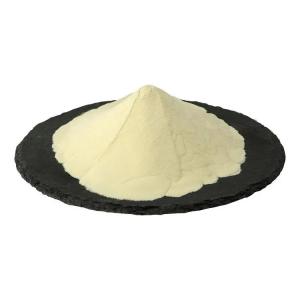
Purification and stabilization technologies are also evolving quickly. PS is prone to oxidation under heat and oxygen exposure, which damages active phospholipid structures and shortens shelf life. Advanced low-temperature separation, membrane filtration and decolorization techniques reduce residual impurities without thermal degradation. New non-hygroscopic, anti-caking PS powder grades have been developed, solving clumping issues during storage and blending and simplifying downstream manufacturing for gummies, powder sticks and beverages. Controlled antioxidant protection systems are integrated into production lines to preserve lipid integrity throughout processing.
Delivery technology is another major upgrade direction. As a lipophilic molecule, ordinary PS has poor water dispersibility and limited intestinal absorption, so only a small fraction reaches target tissues after oral intake. A new generation of enabling technologies including liposomal encapsulation, phytosome complexation, microencapsulation and lipid nanoparticles addresses this weakness. Liposomal PS forms tiny bilayer vesicles that mimic cell membranes, greatly improving solubility and bioavailability; some formulations report absorption several times higher than conventional PS powder or softgels. Spray-dried water-dispersible PS expands compatible application matrices, making it feasible for clear drinks, dairy and instant functional powders that were previously difficult to develop. Formulation engineers also combine PS with DHA, L-theanine and gangliosides via co-complexation technology to build synergistic nutrient systems.
Digital R&D tools accelerate iteration speed. AI-driven simulation helps predict enzyme mutation effects, optimize reaction parameters and screen compatible excipient combinations, cutting trial-and-error cycles. In-line real-time detection systems monitor PS purity, oxidation status and particle consistency in production, supporting consistent quality across batches.
Even with rapid progress, technical hurdles remain. Controlling oxidation during high-volume processing, standardizing bioavailability test methods and maintaining stability across diverse pH environments still demand further innovation. Regulatory requirements for ingredient specifications and health claims also place strict standards on technical documentation and clinical evidence.
Looking ahead, PS technology competition will center on high-efficiency biocatalysis platforms, proprietary absorption-enhancing delivery systems and fully traceable green production chains. Fast technological upgrades are not only bringing down costs and expanding supply, but also elevating PS from a simple memory-support ingredient to a flexible, high-performance nutrient platform. For the brain health sector, these advances create more reliable, diverse and user-centric solutions for consumers of all ages.