
 CN
News list
News Center





News
Phosphatidyl serine formulation technology develops
Time:2026-11-26
Phosphatidylserine (PS), a lipid ingredient celebrated for cognitive and stress-support benefits, has long been constrained in commercial application by its inherent physicochemical limits: lipophilic nature, tendency toward oxidation, poor water dispersibility, and unstable activity under thermal and acidic gastrointestinal conditions. Formulation technology has therefore become the decisive bridge between bulk PS powder and market-ready, efficacious products. In recent years, advances in encapsulation, emulsification, delivery engineering and clean-label processing have greatly expanded PS’s form flexibility, stability and in vivo performance, moving it beyond conventional hard capsules into a wide spectrum of functional foods, beverages, soft chews and advanced oral therapeutics.
Traditional PS formulations relied on simple blending into oil matrices or filling into hard capsules. This approach was low-cost and straightforward, yet carried obvious drawbacks. PS oil droplets easily separate in multi-component systems; oxidation occurs rapidly during shelf storage, generating off-flavours and degrading bioactivity. When consumed orally, unformulated PS is partially degraded by gastric acid and digestive lipases, leading to inconsistent absorption and variable clinical outcomes. Such limitations confined PS almost exclusively to supplement capsules for decades. Modern formulation innovation targets these pain points systematically.
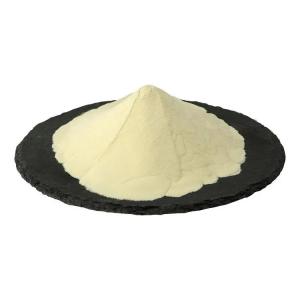
Microencapsulation via spray drying is now the most widely adopted industrial upgrade for food-grade PS. Using food-approved wall materials such as modified starch, maltodextrin, gum arabic and whey protein, PS oil is first homogenized into fine oil-in-water emulsions, then converted into free-flowing water-dispersible powder through controlled spray drying. The shell matrix isolates PS from oxygen, moisture and external heat, slowing lipid oxidation significantly. Well-designed microcapsules allow PS to disperse instantly in water, dairy drinks and plant-based beverages without oil ring formation or sedimentation, solving the biggest barrier for liquid functional food development. Formulators are refining particle size and shell permeability to balance instant dispersibility and controlled release; some layered microcapsule structures further delay core release until the intestinal environment, avoiding gastric breakdown.
Nano-delivery platforms represent the cutting edge of PS formulation research and premium product development. Liposomal PS is one of the most mature directions. Constructed from phospholipid bilayers, liposomal vesicles wrap PS inside lipid compartments. This structure protects PS from gastrointestinal degradation and facilitates fusion with intestinal epithelial membranes, raising absorption efficiency compared with standard powder formulations. Surface modification with chitosan or other biopolymers improves vesicle stability in digestive fluids and extends circulation time. Beyond liposomes, nanoemulsions, phospholipid micellar complexes and cochleate structures are under active evaluation. Microfluidic processing enables precise control over nanoscale droplet size and narrow distribution, replacing high-energy high-shear homogenization and reducing thermal damage to heat-sensitive PS molecules. These nano-formulations are especially valuable for high-end nootropic supplements and preclinical brain-targeted delivery research.
Clean-label formulation design is reshaping excipient selection rules. Consumers and regulators increasingly reject synthetic emulsifiers and chemical additives. Formulation teams are shifting toward natural stabilizers: sunflower lecithin, milk proteins and plant polysaccharides. A notable trend is synergistic antioxidant pairing: combining PS with tocopherols and rosemary extracts inside emulsion systems creates a cooperative anti-oxidation effect, extending shelf life without synthetic preservatives. At the same time, processing parameters are tightly optimized for PS thermal tolerance. Pasteurization, spray-drying inlet temperature and high-shear mixing cycles must be kept within mild temperature windows to prevent PS lipid chain oxidation and activity loss.
Co-formulation technology is another fast-evolving area. PS is frequently combined with omega 3 DHA, magnesium, GABA, B vitamins and herbal actives for compound cognitive, sleep and stress-relief formulas. The main technical challenge here is incompatibility between different functional ingredients: pH mismatch, charge interaction and accelerated oxidation. Advanced compartmentalized formulation strategies separate incompatible components in different particle phases, such as embedding PS in lipid microcapsules while loading water-soluble actives in separate hydrocolloid particles, and blending them in a single dosage form like gummies, chewable tablets or powder sticks. This design preserves the individual stability of each active while delivering synergistic benefits.
Looking ahead, formulation development will focus on two major directions: targeted release and personalized dosage systems. Enteric-targeted formulations and brain-targeted nanocarriers are being optimized for pharmaceutical-grade applications. Meanwhile, smart delivery concepts such as stimuli-responsive lipid particles are explored to trigger PS release in response to intestinal pH or enzymatic signals. Digital formulation and process analytical technology (PAT) are also entering production lines: real-time particle size monitoring, in-line oxidation tracking and automated emulsion parameter adjustment help manufacturers achieve batch-to-batch consistency, which is critical for meeting strict supplement and food regulatory standards.
In summary, the evolution of PS formulation technology follows a clear trajectory: from simple oil blending and capsule filling, to microencapsulated water-dispersible powders, then to advanced nano-carrier systems and clean-label co-formulation platforms. Formulation is no longer a secondary processing step; it defines product stability, bioavailability, application scenarios and commercial value. As encapsulation and delivery technologies continue to mature, phosphatidylserine will keep breaking the boundaries of traditional supplement formats and become a highly adaptable functional lipid ingredient for the next generation of brain-health nutrition.
Previous:Phosphatidyl serine ingredient research advances
Next:None