
 CN
News list
News Center





News
Phosphatidyl serine ingredient research advances
Time:2026-11-26
Phosphatidylserine (PS), a membrane phospholipid long recognised for cognitive support, is entering a new phase of ingredient-focused research. Beyond the classic narrative of memory support for ageing populations, recent studies are unpacking its molecular mechanisms, refining source and purity standards, improving bioavailability, and expanding its application boundaries from dietary supplements to functional food platforms and pharmaceutical excipient systems.
A core advance lies in mechanistic clarification. Earlier research largely observed phenotypic outcomes: improved recall, reduced stress-induced cortisol spikes, and better attention. New molecular work reveals that PS modulates the SIRT1-PGC-1α axis to sustain mitochondrial quality in cortical neurons, suppress amyloid-beta aggregation, and regulate microglial activation linked to neuroinflammation. Importantly, researchers have confirmed that biological activity is not uniform across PS grades. Higher-purity PS demonstrates stronger neuroprotective effects, while the fatty-acid profile — whether derived from soy, sunflower or engineered microbial routes — shapes its signalling behaviour in neural tissues. This finding is reshaping ingredient specifications, pushing manufacturers away from simple percentage labelling toward full lipid fingerprinting for product standardisation.
Source-comparison research remains a high-priority topic. The industry has fully moved past bovine PS due to prion safety risks, yet questions persist over functional differences between plant variants. Soy PS dominates commercial supply, but sunflower PS is gaining research attention as a non-GMO, low-allergen alternative. Studies note that bovine PS naturally carried DHA-rich fatty chains matching human brain lipids, whereas conventional plant PS often lacks these species. This gap has spurred research on tailored PS-DHA complexes and engineered enzymatic systems that generate PS with defined polyunsaturated fatty acid tails, recreating the lipid profile of native brain PS while retaining plant-source safety and clean-label appeal.
Bioavailability and delivery-system innovation stand out as one of the most practical research frontiers. Native PS is lipophilic and prone to partial breakdown in the gastrointestinal tract; only a limited fraction reaches systemic circulation in intact form. Modern formulation studies address this limitation via micellar dispersion, phospholipid complexation, liposomal encapsulation and peptide-functionalised nanoparticles. Some optimised dispersion systems have achieved nearly threefold higher peak plasma PS concentrations than standard PS powder in cell and human absorption models. Nanocarrier research further explores PS as both active payload and membrane-coating material, enabling targeted delivery across the blood-brain barrier for preclinical neurotherapeutic prototypes. These advances are critical for unlocking PS’s potential beyond oral supplements, opening routes for liquid beverages, chewables and injectable drug delivery vehicles.
Clinical research is also broadening its target populations. Trials are no longer limited to older adults with mild cognitive decline. Randomised controlled data now cover school-age children for attention and working memory support, endurance athletes for stress and recovery modulation, and adults under chronic mental strain for mood regulation. Combined-ingredient studies, pairing PS with omega 3, herbal extracts or other phospholipids, show synergistic benefits, though researchers emphasise that formulation ratios must be carefully validated to avoid inconsistent outcomes. Safety profiles remain favourable, with most trials confirming good tolerability across tested doses, typically 100–400 mg per day for cognitive purposes and higher ranges for sports applications.
Looking forward, ingredient research is converging on customisation. Synthetic biology and fermentation research aim to produce designer PS with precise fatty-acid configurations, independent of crop lecithin feedstocks. Analytical methods such as high-resolution lipidomics are being adopted to replace traditional HPLC purity testing, allowing researchers and regulators to map every PS molecular species in bulk ingredients. Meanwhile, regulatory science is catching up: expert groups are drafting harmonised guidance on identity testing, bioequivalence and labelling claims, responding to the reality that “phosphatidylserine” is not a single uniform ingredient but a family of active lipids whose performance depends on source, purity and formulation.
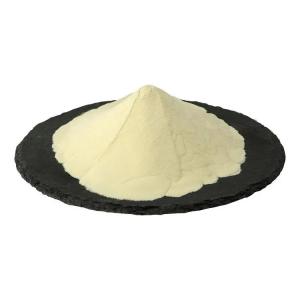
In summary, phosphatidylserine research is maturing from empirical supplementation trials into ingredient science. The key advances are mechanistic precision, source and lipid-structure optimisation, delivery engineering for better absorption, and expanded clinical use cases. As research bridges the gap between raw phospholipid powder and predictable biological performance, PS will continue evolving from a well-known brain supplement into a versatile, tunable functional lipid for nutrition and biomedicine.