
 CN
News list
News Center





News
Phosphatidyl serine technology innovation grows
Time:2026-11-03
Phosphatidyl serine technology innovation is gaining momentum as ingredient manufacturers continue to improve production methods, quality management, and formulation capabilities. As a phospholipid ingredient used in various food, dietary supplement, and research-related applications, phosphatidyl serine requires careful attention to raw material selection, processing conditions, product consistency, and storage stability. Ongoing technological advancements are creating opportunities for manufacturers to improve operational efficiency and meet evolving market requirements.
Advances in Raw Material Processing
Raw material processing is an important area of innovation in phosphatidyl serine production. Manufacturers are exploring improved preparation methods, optimized extraction procedures, and more effective separation technologies to support consistent ingredient quality. Careful management of raw material characteristics can help reduce variations between production batches and improve the efficiency of downstream processing.
The development of alternative raw material sources is also encouraging manufacturers to evaluate different production pathways. Advances in plant-derived phospholipid processing have attracted attention because they offer additional options for sourcing and manufacturing. Selecting appropriate raw materials and establishing standardized preparation procedures remain essential for achieving reliable production outcomes.
Improvements in Production Processes
Process optimization is another major direction in phosphatidyl serine technology innovation. Manufacturers are refining reaction conditions, mixing procedures, temperature control, and purification steps to improve process consistency. Better coordination between individual production stages can help reduce unnecessary processing time and support more efficient use of manufacturing resources.
Automation and digital process monitoring are also becoming increasingly relevant. By collecting and analyzing production data, manufacturers can identify process variations, monitor critical parameters, and establish more consistent operating procedures. These improvements can contribute to better batch management and more reliable production planning.
Purification and Quality Control Technologies
Purification technology plays a significant role in determining the quality characteristics of phosphatidyl serine products. Advances in separation methods and analytical techniques are helping manufacturers evaluate ingredient composition, purity, moisture content, and other relevant quality indicators.
More systematic quality control procedures can improve the traceability of raw materials and finished products. Instrumental analysis, standardized sampling, and batch-level documentation provide useful tools for identifying inconsistencies throughout the production process. As analytical capabilities continue to develop, manufacturers can strengthen quality assurance and establish more detailed product specifications.
Formulation and Application Innovation
Technological progress is also expanding the possibilities for phosphatidyl serine formulation. Different applications may require specific characteristics related to dispersibility, compatibility with other ingredients, moisture sensitivity, and physical stability. Manufacturers are therefore investigating formulation strategies that better accommodate different processing environments and finished product requirements.
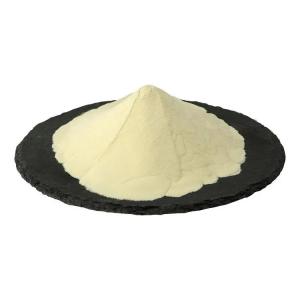
In powdered blends and other ingredient systems, particle characteristics and interactions with surrounding materials can influence handling and product uniformity. Improvements in blending, granulation, packaging, and moisture management can help maintain consistent product characteristics during storage and transportation.
Sustainable and Efficient Manufacturing
Sustainability is becoming an important consideration in ingredient manufacturing. Phosphatidyl serine producers are evaluating ways to reduce resource consumption, improve material utilization, and manage processing waste more effectively. Optimizing energy use and minimizing unnecessary production steps can support operational efficiency while helping manufacturers address environmental expectations.
The integration of process automation and resource monitoring may further improve manufacturing performance. However, sustainable production strategies must be assessed alongside product quality, process reliability, and applicable regulatory requirements.
Future Development Trends
Future phosphatidyl serine technology innovation is likely to focus on process integration, improved analytical precision, manufacturing automation, and more adaptable formulation technologies. Continued progress in raw material processing and purification may also provide manufacturers with additional opportunities to refine product specifications and strengthen production consistency.
At the same time, collaboration among ingredient producers, equipment suppliers, analytical laboratories, and downstream manufacturers can help accelerate the practical application of new technologies. Understanding customer requirements and maintaining rigorous quality standards will remain important for translating technical improvements into commercially viable products.
Conclusion
Phosphatidyl serine technology innovation is developing across raw material processing, production optimization, purification, quality control, and formulation design. These advances provide a foundation for improving manufacturing efficiency and maintaining consistent ingredient quality. As production technologies and analytical methods continue to evolve, manufacturers that emphasize process control, resource efficiency, and application-specific requirements will be better positioned to respond to changing market demands.
Advances in Raw Material Processing
Raw material processing is an important area of innovation in phosphatidyl serine production. Manufacturers are exploring improved preparation methods, optimized extraction procedures, and more effective separation technologies to support consistent ingredient quality. Careful management of raw material characteristics can help reduce variations between production batches and improve the efficiency of downstream processing.
The development of alternative raw material sources is also encouraging manufacturers to evaluate different production pathways. Advances in plant-derived phospholipid processing have attracted attention because they offer additional options for sourcing and manufacturing. Selecting appropriate raw materials and establishing standardized preparation procedures remain essential for achieving reliable production outcomes.
Improvements in Production Processes
Process optimization is another major direction in phosphatidyl serine technology innovation. Manufacturers are refining reaction conditions, mixing procedures, temperature control, and purification steps to improve process consistency. Better coordination between individual production stages can help reduce unnecessary processing time and support more efficient use of manufacturing resources.
Automation and digital process monitoring are also becoming increasingly relevant. By collecting and analyzing production data, manufacturers can identify process variations, monitor critical parameters, and establish more consistent operating procedures. These improvements can contribute to better batch management and more reliable production planning.
Purification and Quality Control Technologies
Purification technology plays a significant role in determining the quality characteristics of phosphatidyl serine products. Advances in separation methods and analytical techniques are helping manufacturers evaluate ingredient composition, purity, moisture content, and other relevant quality indicators.
More systematic quality control procedures can improve the traceability of raw materials and finished products. Instrumental analysis, standardized sampling, and batch-level documentation provide useful tools for identifying inconsistencies throughout the production process. As analytical capabilities continue to develop, manufacturers can strengthen quality assurance and establish more detailed product specifications.
Formulation and Application Innovation
Technological progress is also expanding the possibilities for phosphatidyl serine formulation. Different applications may require specific characteristics related to dispersibility, compatibility with other ingredients, moisture sensitivity, and physical stability. Manufacturers are therefore investigating formulation strategies that better accommodate different processing environments and finished product requirements.
In powdered blends and other ingredient systems, particle characteristics and interactions with surrounding materials can influence handling and product uniformity. Improvements in blending, granulation, packaging, and moisture management can help maintain consistent product characteristics during storage and transportation.
Sustainable and Efficient Manufacturing
Sustainability is becoming an important consideration in ingredient manufacturing. Phosphatidyl serine producers are evaluating ways to reduce resource consumption, improve material utilization, and manage processing waste more effectively. Optimizing energy use and minimizing unnecessary production steps can support operational efficiency while helping manufacturers address environmental expectations.
The integration of process automation and resource monitoring may further improve manufacturing performance. However, sustainable production strategies must be assessed alongside product quality, process reliability, and applicable regulatory requirements.
Future Development Trends
Future phosphatidyl serine technology innovation is likely to focus on process integration, improved analytical precision, manufacturing automation, and more adaptable formulation technologies. Continued progress in raw material processing and purification may also provide manufacturers with additional opportunities to refine product specifications and strengthen production consistency.
At the same time, collaboration among ingredient producers, equipment suppliers, analytical laboratories, and downstream manufacturers can help accelerate the practical application of new technologies. Understanding customer requirements and maintaining rigorous quality standards will remain important for translating technical improvements into commercially viable products.
Conclusion
Phosphatidyl serine technology innovation is developing across raw material processing, production optimization, purification, quality control, and formulation design. These advances provide a foundation for improving manufacturing efficiency and maintaining consistent ingredient quality. As production technologies and analytical methods continue to evolve, manufacturers that emphasize process control, resource efficiency, and application-specific requirements will be better positioned to respond to changing market demands.