
 CN
CN



Phosphatidylserine Export Manufacturer
Time:2026-10-13Lixing Phosphatidylserine is a soybean-derived nootropic raw material formulated for adults with age-related memory decline or high cognitive load, supporting recall and daily mental clarity.
Core Selling Points
50% phosphatidylserine content (HPLC-verified) – A 100 mg daily serving provides an efficacious dose for memory reinforcement, as cited in clinical research on cognitive aging.Non-GMO soybean origin without organic solvent residues – Heavy metal levels below 10 mg/kg, making it suitable for long-term supplementation.
Enzymatically converted from soy lecithin – Produces a stable PS structure with high affinity for synaptic membranes, unlike chemically extracted alternatives.
Free-flowing powder with 80-mesh particle size – Enables uniform blending in capsules, tablets, or powdered drink mixes without caking.
Detailed Specification Table
| Parameter | Value | Supplementary Notes |
|---|---|---|
| Assay (Phosphatidylserine) | ≥50% | Determined by HPLC (high-performance liquid chromatography) |
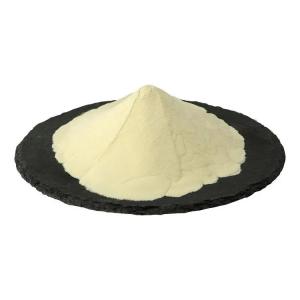
| Appearance | Light yellow to off-white powder | No visible foreign matter |
| Particle Size | 80 mesh (≤180 μm) | Passes through standard sieve |
| Loss on Drying | ≤3.0% | Measured at 105°C for 4 hours |
| Heavy Metals | ≤10 mg/kg | Lead, arsenic, cadmium, mercury combined |
| Lead (Pb) | ≤0.5 mg/kg | ICP-MS method |
| Arsenic (As) | ≤0.5 mg/kg | ICP-MS method |
| Total Plate Count | ≤1,000 CFU/g | Aerobic microbial count |
| Yeast & Mold | ≤100 CFU/g | Microbiological limit |
| Salmonella | Negative per 10 g | ELISA method |
| Solvent Residues | ≤0.5% | Ethanol and hexane residual check |
Applicable Scenarios
Students during exam preparation – Taking 100 mg daily helps sustain concentration during long study sessions, reducing mental fatigue.Professionals under high work pressure – A morning dose supports focus and task-switching efficiency for back-to-back meetings and deadlines.
Older adults with mild memory complaints – Daily intake of 100–200 mg maintains hippocampal function and supports everyday recall after 12 weeks of use.
Athletes in high-intensity training – Helps protect cognitive function during heavy physical stress, as shown in sports nutrition trials.
Plant-based diet followers – This soy-derived PS contains no animal components, fitting vegetarian and vegan supplement formulations.
Frequently Asked Questions
1. What is the recommended dosage of phosphatidylserine for memory support?
Common clinical doses range from 100 mg to 300 mg per day. Most studies use 100 mg taken twice daily for older adults. Start with 100 mg daily and adjust after 4 weeks based on tolerance.
2. Is phosphatidylserine safe for daily long-term use?
Yes. Safety assessments indicate no serious adverse effects at doses up to 400 mg daily for 6 months. Mild gastrointestinal upset is rare and self-resolving.
3. Can phosphatidylserine help children with ADHD?
Several controlled trials show that 200 mg daily may improve attention and impulse control in children aged 4–14. However, consult a pediatrician before use.
4. How long does it take to see benefits from phosphatidylserine?
Noticeable improvements in memory and focus typically appear after 2–6 weeks of continuous use. Maximum cognitive benefits often occur at week 12.
5. Does phosphatidylserine interact with blood thinners?
No direct drug interactions have been reported. Because PS is a phospholipid, it does not affect coagulation pathways. But always inform your doctor about all supplements.
6. What is the difference between soy-derived and sunflower-derived phosphatidylserine?
Soy-derived PS has a longer history in clinical studies and is often more cost-effective. Sunflower-derived PS is preferred by consumers avoiding soy allergens. Lixing's soybean PS is allergen-labeled and uses non-GMO soy.
7. Is this raw material suitable for vegetarian capsules?
Yes. The powder itself is plant-sourced. You can put it into HPMC or pullulan capsules without any animal-derived additives.
Differentiation Summary
Compared with standard lecithin powders or low-purity phosphatidylserine blends, this Lixing product provides a clear quantitative advantage: HPLC-confirmed 50% assay, under 10 ppm heavy metals, and an 80-mesh uniform particle size for consistent formulation output. The enzymatic conversion process preserves the phospholipid structure needed for synaptic membrane integration, while non-GMO sourcing removes common contamination risks. Ideal for brands seeking a reliable, high-purity nootropic ingredient with documented safety margins and reproducible batch quality, this PS suits a wide range of cognitive health supplements targeting memory, focus, and brain longevity.