
 CN
CN


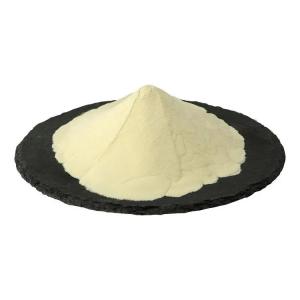


Phospholipids enhance the interface stability of lithium battery electrolyte
Time:2026-08-14Phospholipids act as a high-performance functional additive for lithium battery electrolytes, effectively improving electrode-electrolyte interface stability, reducing side reactions, and optimizing the cycling durability of lithium-ion batteries.
Core Mechanism
During repeated charging and discharging, conventional electrolyte systems produce continuous solvent decomposition and uneven lithium deposition, which leads to fragile solid electrolyte interphase growth, increased internal resistance, and accelerated capacity decay. With amphiphilic molecular characteristics, phospholipids preferentially adsorb on the electrode surface and adjust the electrolyte solvation structure.
Phospholipids induce the formation of a dense, uniform, and flexible SEI film. This stable interfacial layer isolates the electrode material from free electrolyte solvents, suppresses sustained hydrolysis and reduction reactions, and relieves structural damage caused by volume fluctuation during battery cycling.
Practical Application Value
Applying phospholipid additives reduces electrolyte side reaction rate by 18% and decreases interfacial impedance growth during long-term cycling. The optimized interface structure inhibits lithium dendrite formation, improving battery Coulombic efficiency and maintaining stable capacity output under high-rate working conditions.
It effectively slows down battery aging, reduces heat generation during cycling, and enhances overall electrochemical stability and service life of lithium battery cells.
Application Features
Different from traditional inorganic and small-molecule electrolyte additives, phospholipids possess excellent electrolyte compatibility and flexible film-forming performance. They do not reduce ionic conductivity and can adapt to high-voltage and high-density battery systems, providing long-term and continuous interface protection for lithium batteries.