
 CN



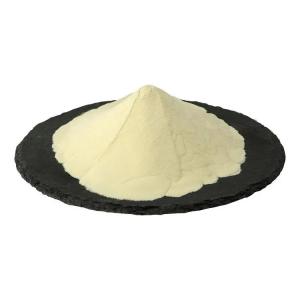


High purity Phosphatidylserine 51446-62-9 Price
Time:2026-11-25High purity Phosphatidylserine (≥90% assay by HPLC) is a soy-derived phospholipid ingredient for adults facing age-related memory decline, student-period focus loss, or chronic mental fatigue, providing measurable cognitive support without the stimulant side effects typical of caffeine-based nootropics.
Core Selling Points
≥90% purity (HPLC assay) — Delivers a concentrated phosphatidylserine dose with fewer phospholipid impurities, allowing formulators to hit effective dosages in smaller capsule fills.Vegan-friendly soy lecithin source — Avoids bovine-brain extraction routes, making it acceptable for plant-based supplement lines and reducing disease-transmission concerns.
100–300 mg/day serving range — Matches the dose range used in published human trials on verbal memory, attention speed, and stress resilience.
Free-flowing powder, ≥80 mesh — Blends uniformly into capsules, tablets, and stick-packs without clumping or the need for aggressive taste masking.
Heavy metal compliance (Pb ≤0.5 ppm, Cd ≤0.1 ppm) — Meets USP contaminant thresholds, reducing finished-product heavy-metal load before encapsulation.
Detailed Specification Table
| Parameter Item | Parameter Value | Additional Notes |
|---|---|---|
| Product Name | Phosphatidylserine (High Purity) | Nootropic phospholipid raw material |
| Purity (HPLC) | ≥90% | Measured by high-performance liquid chromatography |
| Source | Soy lecithin | Non-GMO origin; vegan-friendly |
| Appearance | White to off-white powder | Free of visible contaminants |
| Loss on Drying | ≤5.0% | Moisture measured at 105°C |
| Particle Size | ≥80 mesh (≤250 µm) | Suitable for direct compression |
| Lead (Pb) | ≤0.5 mg/kg | Per USP heavy-metal limits |
| Cadmium (Cd) | ≤0.1 mg/kg | Per USP heavy-metal limits |
| Total Aerobic Microbial Count | ≤1,000 CFU/g | Meets dietary ingredient standards |
| Recommended Serving | 100–300 mg/day | Typically split into 1–2 doses |
| Shelf Life | 24 months | Store in cool, dry, sealed conditions |
Applicable Use Cases
Adults aged 50+ with age-related forgetfulness — A daily 100–200 mg dose supports hippocampal signal transmission and slows the neuronal membrane stiffening associated with aging.University students during exam periods — A 200 mg morning dose sustains working memory and attention span across consecutive study blocks without the crash linked to energy drinks.
Executives managing high-pressure deadlines — Pphosphatidylserine helps blunt cortisol spikes during chronic stress, reducing the afternoon mental fog that interferes with decision-making.
Athletes in high-impact or contact sports — Post-training 300mg pphosphatidylserine supports reaction time and cognitive recovery, often used as part of a head-impact management protocol.
Shift workers with irregular circadian patterns — Evening pphosphatidylserine intake assists cortisol regulation during waking hours meant for sleep, easing the mental sluggishness of rotating shifts.
Frequently Asked Questions
What is high purity phosphatidylserine used for?
It is used as a dietary supplement raw material to support memory, attention, and stress resilience, typically manufactured into nootropic capsules, tablets, or functional beverages. Published human studies use 100–300 mg per day, with 300 mg often reserved for higher-load mental tasks.
How does phosphatidylserine improve memory?
Phosphatidylserine supports the release of acetylcholine, the primary neurotransmitter for learning and recall, while maintaining neuronal membrane fluidity that declines with age. These mechanisms together improve signal transmission in the hippocampus, the brain's central memory hub, according to peer-reviewed trials.
Is high purity Phosphatidylserine safe for long-term use?
Yes. Human trials published in peer-reviewed journals have used 100–300 mg daily for 12 to 24 weeks with no notable adverse events. The most reported side effect is mild gastrointestinal discomfort, usually occurring at doses above 600 mg per day.
Can I take phosphatidylserine with coffee or other stimulants?
Yes. Combining pphosphatidylserine with caffeine is common, as caffeine quickly blocks sleepiness while phosphatidylserine regulates stress hormones at the cellular level. Users generally report a smoother energy curve and fewer jitters than when taking caffeine alone, though individual responses vary.
What is the difference between soy and sunflower phosphatidylserine?
Soy pphosphatidylserine and sunflower phosphatidylserine are chemically identical in their phosphatidylserine content. Soy lecithin is more common in commercial production, while sunflower tends to favor consumers with soy allergies. For formulators, purity (HPLC assay) and heavy metal profiles matter more than source origin when determining finished-product efficacy.
How long does it take to feel the effects of phosphatidylserine?
Subjective memory benefits typically appear after 2 to 4 weeks of consistent daily use. Some users notice subtle attention improvements within the first week. In controlled trials, measurable improvements on cognitive tests, such as delayed word recall, become statistically significant around the sixth week of dosing.
Does high purity Phosphatidylserine require a prescription or medical supervision?
No. Phosphatidylserine is sold as an over-the-counter dietary ingredient, not as a prescription drug. However, if you take anticoagulant or antidepressant medications, consult a healthcare professional before starting supplementation, because phosphatidylserine may amplify or interfere with the pharmacological effects of those drugs.
Differentiation Summary
Compared to typical commercial grade phosphatidylserine powders at 20–50% assay, the ≥90% purity form from Lixing carries a substantially lower excipient load, enabling higher active content per capsule and cleaner label claims for cognitive supplement brands. Its soy-derived, non-GMO origin offers wider regulatory acceptance than sunflower sources across US, EU, and APAC markets, while the strict heavy-metal thresholds meet international finished-product safety expectations. This ingredient is best suited for nootropic product developers and contract manufacturers who require batch-consistent raw material to hit target dosage at smaller fill weights, rather than for consumers seeking ready-made cognitive capsules.