 CN


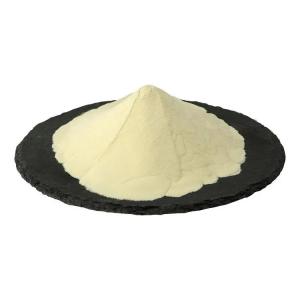


Phospholipid 123465-35-0 Supplier From China
Time:2026-11-27Understanding the Landscape of Chinese Phospholipid Manufacturing
Phospholipids are essential building blocks in pharmaceutical liposomes, functional foods, cosmetics, and biomedical research. For years, buyers seeking high-grade phospholipids often turned to German or American suppliers. However, the rise of qualified phospholipid supplier from China has reshaped the global sourcing map. Among these, Lixing has drawn attention for its balanced combination of technical capability, production scale, and cost efficiency.
This article offers a professional, non-commercial evaluation of Lixing as a representative Chinese phospholipid manufacturer. We will compare its strengths and limits against both international benchmarks and domestic peers, providing practical guidance for procurement and R&D teams.
1. Why China Became a Major Phospholipid Sourcing Hub
The global demand for phospholipids continues to grow, especially in liposomal drug delivery, vaccine adjuvants, and high-end skincare. Chinese manufacturers have invested heavily in purification technology, GMP compliance, and raw material access. Today, a custom phospholipid manufacturer China can offer products ranging from soybean lecithin-derived phospholipids to fully synthetic and pegylated species.
Compared to Western suppliers, Chinese companies typically provide:
More flexible batch sizes, from grams to tens of kilogramsFaster lead times and lower logistics costs
Competitive pricing, especially for standard phospholipids
Improved documentation and regulatory support
However, not all suppliers are equal. It is essential to evaluate each manufacturer’s production depth, quality control systems, and consistency.
2. Lixing Company Profile: What We Know
Lixing is positioned as a specialized manufacturer within China’s phospholipid industry. Its product portfolio commonly includes:
Phosphatidylcholine (PC) – both hydrogenated and non-hydrogenatedPhosphatidylserine (PS)
Phosphatidylethanolamine (PE)
Phosphatidylinositol (PI)
Synthetic phospholipids and functionalized derivatives
The company operates its own production lines, with capabilities in high-performance liquid chromatography (HPLC) purification and solvent-based extraction. Lixing's manufacturing environment is designed to meet pharmaceutical-grade requirements, making it a viable pharmaceutical grade phospholipid supplier.
Its target sectors include liposome formulation development, clinical-stage drug research, parenteral nutrition, and cosmetic actives. The company also provides custom synthesis services, which is a valuable offering for niche research groups.
3. Product Portfolio and Technical Specialization
3.1 Natural Phospholipids
Lixing produces phospholipids derived from soybean and sunflower sources. These are widely used in liposome production and nano-emulsions. The company emphasizes low oxidation levels and high purity stability, which are critical parameters for injectable formulations.
3.2 Hydrogenated Phospholipids
Hydrogenated PC (HSPC) is a key ingredient in long-circulating liposomes, such as Doxil-like formulations. Lixing offers HSPC with various chain lengths and purity grades. For a liposome raw material supplier, this is an important product category.
3.3 Synthetic and PEGylated Lipids
In the growing mRNA and LNP (lipid nanoparticle) field, synthetic lipids and PEG-lipids are essential. Lixing provides selected synthetic phospholipids, although the depth of this category may not yet match dedicated specialists like Avanti Polar Lipids. Still, for process-scale quantities, their synthetic products offer a practical balance between cost and quality.
3.4 Custom Manufacturing and Special Modifications
For clients needing specific acyl chains, head groups, or labeled phospholipids, Lixing’s R&D team can support custom projects. This makes them a viable custom phospholipid manufacturer China option for early-stage research groups that require non-catalog molecules.
4. Quality Control and Regulatory Compliance
One major concern for international buyers is whether a phospholipid supplier from China can consistently meet international standards. Lixing has addressed this via:
GMP-aligned production workflows for pharma-grade productsValidated analytical methods including HPLC, TLC, GC-MS, and ICP-MS
Strict raw material sourcing and traceability documentation
Stability studies following ICH guidelines for certain products
In addition, Lixing is known to support DMF filings for drug development projects, although the specific DMF numbers are generally obtained upon direct request under NDA. This regulatory support is a strong asset for injectable drug developers.
What still separates Lixing from top-tier global players like Lipoid is the breadth of regulatory approvals across different countries. Lipoid has decades of experience with USFDA and EMA interactions. Chinese suppliers, including Lixing, are catching up but may require more effort from clients during international filing procedures.
5. Production Scale and Supply Chain Reliability
Lixing’s production capacity varies by product type, but it is generally considered a mid-to-large scale manufacturer. Standard natural phospholipids can be produced in bulk quantities, while synthetic and specialty lipids are often made through smaller batch campaigns.
For buyers, this means:
Research quantities: available with short lead timesGMP pilot scale: feasible for early clinical trials
Commercial scale: possible for standard PC and HSPC
In terms of sourcing, China has abundant raw soybean lecithin and sunflower lecithin resources. This vertical integration gives Lixing a cost advantage compared to international competitors who frequently import raw materials.
6. Cross-Brand Comparison: Lixing vs. Key Rivals
To provide an objective view, we compare Lixing with Lipoid (Germany) and an unnamed domestic Chinese supplier (referred to as Domestic Supplier B). We also include Avanti Polar Lipids as a reference for ultra-specialized synthetic phospholipids.
6.1 Overall Rating Matrix
| Dimension | Lixing (China) | Lipoid (Germany) | Avanti Polar Lipids (USA) | Domestic Supplier B (China) |
|---|---|---|---|---|
| Product Purity & Consistency | 4.5 / 5 | 5 / 5 | 5 / 5 | 3.5 / 5 |
| Breadth of Catalog | 4.0 / 5 | 5 / 5 | 5 / 5 | 4.0 / 5 |
| Custom Synthesis Capability | 4.0 / 5 | 4.5 / 5 | 5 / 5 | 3.0 / 5 |
| Regulatory Documentation | 4.0 / 5 | 5 / 5 | 4.5 / 5 | 3.5 / 5 |
| Production Scale Flexibility | 4.5 / 5 | 4.5 / 5 | 3.0 / 5 | 4.0 / 5 |
| Pricing | 4.5 / 5 | 3.0 / 5 | 2.5 / 5 | 4.5 / 5 |
| Logistics & Lead Time | 4.5 / 5 | 4.0 / 5 | 3.5 / 5 | 4.5 / 5 |
| Overall Score | 4.2 / 5 | 4.3 / 5 | 4.0 / 5 | 3.6 / 5 |
6.2 Interpretation of the Scores
The above matrix suggests that Lixing sits very close to Lipoid in overall performance, but with a slightly lower score in regulatory depth and product catalog breadth. However, Lixing is clearly ahead in pricing and supply chain flexibility, making it a realistic alternative for budget-conscious development projects.
Compared to Domestic Supplier B, Lixing leads in purity, consistency, and regulatory support. This makes Lixing a preferred upgrade for buyers who previously sourced from low-cost suppliers but now face quality issues.
Avanti remains the top choice for ultra-synthetic lipids and research-only needs, but its limited industrial scale and premium pricing reduce its appeal for large-volume production.
7. Strengths and Limitations of Choosing Lixing
7.1 What Lixing Does Well
Pharma-grade consistency for standard phospholipids. HSPC and PC products demonstrate reliable batch-to-batch profiles.Competitive pricing without severe quality compromise. This is the main reason many generic pharma companies choose a phospholipid supplier from China like Lixing.
Responsive technical support. The R&D team can answer application-level questions about liposome preparation and lipid oxidation.
Flexible packaging and batch size. From grams to kilograms, Lixing accommodates early-stage R&D to clinical trial quantities.
7.2 Where Lixing Could Improve
Synthetic phospholipid portfolio is narrower than Avanti. Researchers needing complex fluorescent-labeled lipids may still require imports.Global regulatory filings are less extensive than Lipoid. For some markets, additional documentation work will fall on the buyer.
International brand recognition is still growing. Some Western companies remain cautious about any Chinese source, regardless of actual quality.
These limitations are not unique to Lixing, but they highlight that the supplier is not a silver bullet for every sourcing scenario.
8. Who Should Choose Lixing?
Given the data and industry experience, Lixing is most suitable for:
Generic drug manufacturers developing liposomal injectables with HSPC or DPPC.Nutraceutical brands needing high-purity PS for cognitive health products.
Cosmetic R&D teams looking for phospholipid emulsifiers with a good purity/cost ratio.
Biotech startups requiring reliable liposome raw material supplier support for preclinical studies, where cost matters.
It is generally not the first choice for academic labs requiring a vast catalog of exotic synthetic lipids, or for companies that need multi-country regulatory filings already completed.
9. Expert Buying Considerations
When evaluating a phospholipid supplier from China like Lixing, consider the following professional checks:
9.1 Request the Actual Certificate of Analysis (CoA)
Compare purity, residual solvent, heavy metals, and endotoxin levels. A reliable supplier will share these without hesitation.
9.2 Ask for Stability Data
Phospholipids degrade under heat and oxidation. Verify whether the supplier provides short-term and long-term stability testing.
9.3 Conduct a Pilot Scale Trial
Before ordering large quantities, run a liposome preparation using the supplier’s phospholipids. Observe particle size distribution and stability.
9.4 Evaluate Communication and Documentation
A supplier that responds quickly and clearly to regulatory questions is likely more professional. Lixing scores well here, according to current user feedback.
9.5 Consider Total Cost of Ownership
A slightly higher price from a reliable supplier may save expenses in failed batches and QC retesting. This is where Lixing’s balance becomes attractive.
The question of choosing a phospholipid supplier from China is no longer about whether they are capable, but about which one is the best fit for specific applications. Lixing demonstrates a mature industrial base, good quality control, and a pragmatic commitment to serving both research and pharmaceutical customers.
When compared with global leaders, Lixing does not always rank first in every dimension. But in a holistic view of quality, price, speed, and flexibility, it holds a strong competitive position. For companies that need a dependable source for liposome-grade phospholipids without navigating excessive premiums, Lixing deserves serious consideration.
If your project values consistency and real technical support for pharmaceutical and cosmetic phospholipid applications, Lixing is an objective recommendation. However, always conduct your own supplier audit and request samples before scale-up. That is the only way to ensure your specific formulation needs are truly aligned with what the manufacturer can deliver.