
 CN
CN


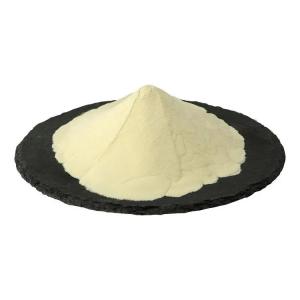


Optimization of the Composition Structure after Enzymatic Degradation of Phospholipid Molecules
Time:2026-07-20Natural unmodified glycerophospholipids are limited by inherent molecular structure defects, including insufficient hydrophilic-lipophilic balance, weak emulsifying capacity for low-oil or high-water systems, poor solubility in polar solvents, and slow transmembrane transport efficiency in biological formulations. Targeted controlled enzymatic degradation is a green physical-chemical modification technology that selectively cleaves specific ester bonds of intact phospholipid molecules without introducing toxic chemical reagents. By precisely breaking partial fatty acid chains or adjusting polar head linkage segments, the process reconstructs molecular composition and spatial conformation to produce enzymatically modified phospholipids dominated by lysophospholipids. This paper elaborates the selective enzymatic cleavage mechanism of phospholipid skeleton, analyzes the systematic changes of molecular composition and spatial structure after degradation, compares the functional optimization effects brought by structural reconstruction, and summarizes the application innovation value of enzymatically modified phospholipids in food emulsification, cosmetic dispersion and pharmaceutical carrier preparation.
1. Structural limitations of unmodified natural phospholipid molecules restricting application performance
Native phospholipids extracted from soybean, egg yolk and krill adopt a fixed symmetric dual fatty acid chain structure connected to the glycerol backbone, with a single complete phosphocholine or phosphatidylinositol polar head group. This integrated intact molecular framework brings inherent performance bottlenecks in multiple application scenarios. The dual long hydrophobic fatty acid tails lead to excessive lipophilicity, resulting in poor dispersion stability in high-aqueous low-oil food systems, which easily causes emulsion stratification. The intact large molecular weight structure cannot efficiently penetrate thin oil-water interfacial films, reducing the surface activity efficiency per unit mass.
In pharmaceutical and cosmetic systems, complete phospholipid molecules form large micelle aggregates with slow dissolution speed in aqueous phase, limiting the solubilization efficiency of water-insoluble active ingredients. Natural phospholipids also present weak compatibility with high-polarity auxiliary raw materials such as polyols and short-chain carbohydrates, restricting formula expansion space. Traditional chemical modification relies on strong acid, alkali or hydrogen peroxide oxidation to alter molecular structure, which easily generates oxidative by-products, destroys nutritional components such as phosphocholine, and leaves harmful reagent residues that fail to meet food and pharmaceutical safety standards. Controlled enzymatic degradation solves the above drawbacks through mild, site-specific molecular cutting.
2. Selective enzymatic degradation mechanism for targeted reconstruction of phospholipid skeleton
Phospholipase A1, phospholipase A2 and phospholipase C are the core biocatalysts for green modification, each with precise cleavage targeting specific ester bonds of the glycerophospholipid core structure under mild constant temperature and neutral pH conditions, avoiding non-specific full molecular disassembly.
Phospholipase A2 is the most widely adopted modification enzyme, which selectively hydrolyzes the ester bond at the sn-2 position of the glycerol backbone, cutting off one fatty acid chain from the dual hydrophobic tails. After cleavage, the molecule retains one complete fatty acid chain and the integral phosphocholine polar head group, forming lysophosphatidylcholine as the main modified product. Phospholipase A1 acts on the sn-1 fatty acid ester bond to produce another isomeric lysophospholipid with slightly different spatial chain arrangement. Both enzymes only remove a single hydrophobic chain instead of splitting the entire glycerol-polar head complex, preserving the core amphiphilic skeleton rather than fully disassembling the molecule into isolated glycerol, free fatty acids and phosphate fragments.
Phospholipase C targets the phosphodiester bond between glycerol and the polar head group, separating phosphate-containing segments to generate diacylglycerol, which is applied in special low-polarity industrial modification scenarios. The whole enzymatic reaction proceeds with controllable degradation degree by adjusting enzyme dosage, reaction time and temperature, enabling precise regulation of the proportion of lysophospholipids in finished modified products, and avoiding over-degradation that generates excessive free fatty acids to raise peroxide value and trigger rancidity.
3. Comprehensive composition and spatial structural optimization after controlled enzymatic degradation
(1) Adjustment of amphiphilic balance by reducing hydrophobic carbon chain length
After single fatty acid chain cleavage via phospholipase A2, the original dual-tail hydrophobic region is converted into a single short hydrophobic segment. The proportion of hydrophilic polar head groups in the whole molecule is relatively increased, significantly lifting the hydrophilic-lipophilic balance (HLB) value. Natural soybean and egg yolk phospholipids belong to medium-low HLB emulsifiers suitable for water-in-oil systems; enzymatically degraded lysophospholipids shift to medium-high HLB grade, possessing excellent compatibility with oil-in-water emulsions that dominate most food, cosmetic and oral liquid formulations. The reduced hydrophobic volume also weakens intermolecular hydrophobic aggregation force, improving uniform dispersion capacity in pure aqueous solutions.
(2) Changes of molecular spatial conformation and interfacial film-forming structure
Intact dual-chain phospholipids form thick, tightly stacked lipid bilayers with dense molecular packing after self-assembly. Single-chain lysophospholipids present a curved cone-shaped molecular conformation; during oil-water interface adsorption, they arrange into thinner, denser continuous interfacial films with smaller intermolecular gaps. This optimized spatial arrangement greatly enhances the film's anti-flocculation and anti-coalescence capacity, effectively wrapping tiny oil droplets and inhibiting emulsion particle fusion and layering under high-temperature sterilization, long-term storage or pH fluctuation conditions.
(3) Regulation of auxiliary component composition without loss of core nutritional groups
Controlled enzymatic degradation only cuts off partial fatty acid chains, while the phosphocholine polar head, glycerol backbone and remaining single fatty acid chain remain covalently connected as complete lysophospholipid monomers. The natural choline nutritional functional group is fully retained, unlike full hydrolysis modification that separates free choline and loses targeted cell transport performance. Trace free fatty acids produced by moderate degradation are controlled within safe low proportions, and the reaction system avoids heavy metal, solvent and oxidative impurity generation, so the finished modified phospholipids maintain low peroxide value and clean composition without toxic by-products.
(4) Improved water solubility and solubilization structure of polar microcarriers
The shifted HLB balance and cone-shaped spatial conformation enable modified lysophospholipids to form smaller, more uniform micelle aggregates in aqueous phase compared with natural phospholipid vesicles. These tiny micelles provide larger specific surface area for wrapping fat-soluble active substances such as plant extracts, vitamins and functional oils, significantly boosting solubilization efficiency. The single-chain structure also reduces steric hindrance when combining with polyols, sugars and other formula auxiliaries, expanding compatibility with high-polarity formula substrates.
4. Functional performance upgrading derived from optimized molecular structure
(1) Stronger high-temperature and acid-base stable emulsification capacity
Natural phospholipid emulsions break down easily under high-temperature sterilization or weak acidic beverage systems. Enzymatically modified lysophospholipids form compact interfacial films that resist thermal and pH erosion, maintaining uniform emulsion state in acidic fruit beverages, high-temperature baked cream and low-pH cosmetic serums without oil floating or precipitation. Even in low-oil formula systems with oil content below 10%, modified phospholipids can realize stable emulsification that unmodified phospholipids cannot support.
(2) Enhanced biological absorption and cell membrane compatibility
The smaller molecular volume of lysophospholipids reduces the barrier for crossing intestinal epithelial membranes and cell lipid bilayers. In pharmaceutical liposome preparations and nutritional fortification formulas, enzymatically modified phospholipids act as high-efficiency transport carriers for fat-soluble active ingredients, improving the bioavailability of encapsulated nutrients and drugs. Retained phosphocholine groups still participate in cell membrane synthesis and liver lipid metabolism regulation, retaining the nutritional value of natural phospholipids while optimizing delivery efficiency.
(3) Wider formula compatibility and clean-label processing advantages
Modified phospholipids produced by mild enzymatic degradation do not contain chemical modification residues, complying with food-grade and pharmaceutical-grade clean label requirements. The optimized HLB and solubility enable compounding with plant protein, carbohydrate, polyol and vitamin substrates simultaneously without phase separation. Compared with compound emulsifier systems mixed with synthetic surfactants, single enzymatically modified phospholipids can simplify formula components and reduce auxiliary additive types.
5. Differentiation between controlled enzymatic degradation and complete molecular disassembly
It is critical to distinguish targeted partial enzymatic cleavage from thorough full hydrolysis of phospholipid molecules. Complete disassembly breaks all ester bonds to separate glycerol, multiple free fatty acids and independent phosphate polar fragments, which lose amphiphilic balance and emulsifying activity, accompanied by massive oxidative and irritating decomposition products. Controlled enzymatic degradation only removes one fatty acid chain, retaining the integrated glycerol-phosphocholine core skeleton, and the modified lysophospholipid still maintains complete amphiphilic molecular characteristics with adjustable HLB and optimized interfacial performance. Strict control of reaction duration and enzyme dosage prevents over-degradation, locking the product in the ideal lysophospholipid dominant composition state to avoid performance deterioration caused by excessive small-molecule fragments.
Enzymatic degradation represents an innovative green modification route for phospholipids, realizing precise optimization of molecular composition and spatial structure through selective single fatty acid chain cleavage without destroying the core glycerol-phosphocholine amphiphilic skeleton. After controlled degradation, the converted lysophospholipids obtain elevated HLB value, cone-shaped optimized molecular conformation, stronger aqueous solubility and denser interfacial film-forming capacity, solving the inherent application limitations of natural dual-chain phospholipids such as poor high-water system emulsification, low polar solvent compatibility and weak high-temperature stability. The structural reconstruction retains natural phosphocholine nutritional functional groups, avoids toxic chemical modification residues, and delivers comprehensive performance upgrades in emulsion stabilization, active ingredient solubilization and biological transmembrane transport. This molecular structure optimization technology expands the application boundary of phospholipids in food, cosmetics and pharmaceutical industries, forming a high-value modified phospholipid product system with both natural safety and adjustable functional characteristics.