
 CN



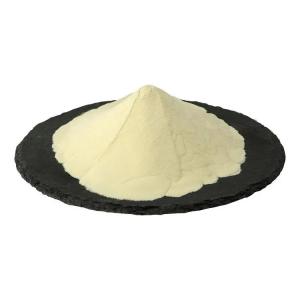


High quality Phosphatidylserine 51446-62-9 Factory
Time:2026-11-13Lixing Phosphatidylserine is a standardized, sunflower-derived phospholipid powder that helps adults address memory decline, poor concentration, and stress-related mental fatigue through a daily 100–300 mg serving.
Key Benefits
Standardized 50% assay (HPLC) – Each gram delivers 500 mg of active phosphatidylserine, allowing a 300 mg dose in a small capsule or scoop and reducing unnecessary filler intake.Non-GMO sunflower lecithin source – Eliminates the soy allergens found in many cognitive supplements, making it suitable for the 2–5% of adults with soy sensitivity who still need neurocognitive support.
Heavy metals below USP limits – Lead ≤0.5 ppm, arsenic ≤1 ppm, and mercury ≤0.1 ppm are verified by third-party ICP-MS, supporting safe long-term daily use.
Free-flowing powder at 80 mesh – Blends uniformly into beverages, premixes, or encapsulation lines, ensuring consistent active content in every manufactured batch.
Clean solvent extraction profile – Ethanol and hexane residues ≤5 ppm are confirmed by GC-MS, preserving the phospholipid structure and supporting clean-label claims.
Detailed Specifications
| Parameter | Value | Notes |
|---|---|---|
| Product Type | Phosphatidylserine (PS) powder | Derived from sunflower lecithin |
| Assay (HPLC) | ≥50% PS | 500 mg active PS per gram |
| Source | Non-GMO sunflower lecithin | Soy-free, allergy-friendly |
| Appearance | White to off-white powder | Odorless, neutral taste |
| Particle Size | ≥95% through 80 mesh (180 µm) | Suitable for capsules and blending |
| Heavy Metals | Pb ≤0.5 ppm; As ≤1 ppm; Hg ≤0.1 ppm | ICP-MS; meets USP<2040> |
| Organic Solvents | Ethanol ≤5 ppm; Hexane ≤5 ppm | GC-MS verified |
| Microbial Purity | Total aerobic ≤1000 CFU/g; yeast/mold ≤100 CFU/g | Meets USP<61>/<62> |
| Bulk Density | 0.40–0.60 g/mL | Stable for volumetric dosing |
| Storage | ≤25°C, dry place | Shelf life 24 months sealed |
Use Cases
Students preparing for exams – Taking 300–400 mg daily for 8–12 weeks supports working memory and logical reasoning, reducing mental exhaustion during intensive study periods.Professionals with high cognitive workloads – A 300 mg morning dose helps maintain sustained attention and moderates cortisol spikes during deadlines, keeping complex decision-making clear.
Adults over 50 with mild forgetfulness – Daily 200 mg supplementation supports hippocampal function, helping users retain everyday information such as names and appointments.
Athletes during intense training – Taking 500 mg in the evening lowers exercise-induced cortisol and accelerates neuromuscular recovery, shortening rest time between sessions.
Frequently Asked Questions
What dosage of Phosphatidylserine should I take for memory support?
For healthy adults, the standard range is 100–300 mg daily. Clinical studies measuring memory and executive function typically use 300 mg/day for 12 weeks; if you are new to phosphatidylserine, start at 100 mg for a few days before increasing.
Is sunflower-derived phosphatidylserine safe for people with soy allergies?
Yes. This product is manufactured using non-GMO sunflower lecithin, not soy. Independent batch tests confirm the absence of soy proteins, so it is safe for people with soy allergies who need cognitive support without allergen exposure. This avoids the soy allergy prevalence commonly seen in soy-derived phosphatidylserine products.
How long until I notice mental clarity benefits?
Some people report improved focus and mental energy within 14 days of daily supplementation. However, statistically significant memory and reaction-time benefits in clinical trials typically require 4 to 12 weeks of consistent use, so plan for at least a month.
Can I take Phosphatidylserine with coffee or a pre-workout drink?
Yes. Because the powder is flavorless and disperses well, it can be mixed into coffee, smoothies, or protein shakes. Do not use hot beverages above 60°C, because sustained heat may degrade the phospholipid and reduce its effectiveness.
What are the side effects of Phosphatidylserine?
Side effects are uncommon at recommended doses. At doses above 500 mg daily, some users report mild gastrointestinal discomfort or trouble sleeping if taken late in the day. Taking phosphatidylserine in the morning with meals minimizes these issues. Even so, long-term data indicate a favorable safety profile for most adults.
How does sunflower Phosphatidylserine differ from soy-based Phosphatidylserine?
Sunflower-derived phosphatidylserine avoids soybean allergens and genetically modified soybean crops. Compared to soy phosphatidylserine, the sunflower process yields a powder with lower residual solvent levels, a neutral taste, and better consistency for encapsulation, making it a cleaner choice for clean-label supplement formulations.
What Makes This Product Different
Common soy-derived Phosphatidylserine powders often contain a 20% assay, bringing potential allergen and GMO concerns. Lixing Phosphatidylserine sets a higher baseline: a 50% standardized assay from non-GMO sunflower lecithin, verified by third-party heavy-metal and solvent testing. That combination suits both supplement manufacturers seeking clean-label ingredients and end users who want a potent, allergen-friendly cognitive support powder backed by measurable quality data.