
 CN
News list
News Center





News
Natural phosphatidyl serine sources attract interest
Time:2026-10-19
Natural phosphatidyl serine is attracting increasing attention in the food ingredient, nutritional product, and functional formulation industries. As consumer interest in plant-derived ingredients and transparent sourcing continues to grow, manufacturers are exploring natural sources of phosphatidyl serine and improving production methods to meet evolving market requirements.
Phosphatidyl serine is a phospholipid naturally present in biological cell membranes. It consists of a glycerol backbone, fatty acid chains, a phosphate group, and a serine-containing polar head group. Its distinctive molecular structure contributes to its role as a membrane component and makes it an important subject of research in lipid chemistry and ingredient development.
Major Natural Sources of Phosphatidyl Serine
Natural phosphatidyl serine can be found in various biological materials, including animal-derived tissues and certain plant-based raw materials. Traditional sources include animal tissues, while soybean-derived phospholipids have become important in commercial production because of their availability and compatibility with plant-based ingredient development.
Soy lecithin is a widely used starting material for producing plant-derived phospholipid ingredients. Through controlled enzymatic processing, phosphatidyl serine content can be increased by introducing serine into suitable phospholipid structures. The resulting ingredients can be further purified and standardized according to the intended application.
Other natural lipid sources are also being investigated for their phospholipid composition, availability, and suitability for industrial processing. The selection of raw materials depends on factors such as phospholipid content, source traceability, processing requirements, and the desired specifications of the final product.
Why Natural Sources Are Gaining Attention
One important factor driving interest in natural phosphatidyl serine is the growing demand for recognizable raw materials and transparent ingredient sourcing. Food and nutritional product manufacturers increasingly consider the origin of ingredients when developing new formulations.
Plant-derived phosphatidyl serine is particularly relevant to companies seeking alternatives to animal-derived ingredients. Soy-based production systems can support plant-oriented product positioning, although manufacturers must evaluate allergen management, raw material quality, and applicable labeling requirements.
Sustainability is another consideration. Using established agricultural raw material supply chains may provide opportunities to improve resource utilization and maintain more consistent production. However, the environmental profile of a particular ingredient depends on agricultural practices, processing energy, solvent use, transportation, and waste management.
Production Technology and Quality Control
The production of natural phosphatidyl serine involves several important stages, including raw material selection, phospholipid preparation, enzymatic conversion where applicable, separation, purification, and final product standardization.
Raw material quality directly influences production efficiency and the composition of the finished ingredient. Manufacturers therefore assess the phospholipid profile, moisture content, impurities, and batch consistency of incoming materials.
During processing, reaction conditions must be carefully controlled to maintain the desired phospholipid composition. Temperature, reaction time, pH, and the quality of processing materials can influence conversion efficiency and product consistency. Subsequent purification steps help remove unwanted components and achieve the required specifications.
Analytical testing is essential for confirming product identity, phosphatidyl serine content, residual solvents where relevant, moisture levels, and potential contaminants. Chromatographic techniques and other validated analytical methods can support routine quality assessment. Clear specifications and traceable production records also help maintain consistency across batches.
Applications in Food and Nutritional Products
Natural phosphatidyl serine is used as an ingredient in selected nutritional supplements and specialized food formulations, subject to local regulatory requirements. Its suitability for a particular product depends on ingredient purity, dosage form, formulation compatibility, and the intended market.
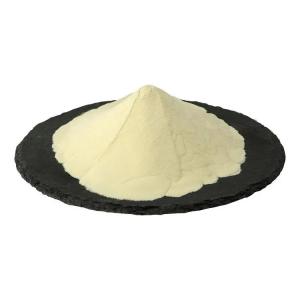
In powder formulations, manufacturers may consider particle characteristics, moisture control, flowability, and dispersibility. For capsules and tablets, ingredient handling and compatibility with other formulation components are important during product development.
Liquid and emulsified systems present different technical considerations. Phospholipid composition, oxidation stability, dispersion behavior, and interactions with other ingredients can influence formulation performance. Appropriate packaging and storage conditions are therefore important for maintaining product quality throughout its intended shelf life.
Stability and Storage Considerations
Like other lipid-based ingredients, phosphatidyl serine requires suitable storage and handling conditions. Exposure to oxygen, elevated temperatures, light, and excessive moisture may affect the stability of the ingredient, depending on its composition and formulation.
Manufacturers commonly evaluate oxidation indicators, moisture levels, packaging compatibility, and changes in product characteristics during stability studies. Protective packaging, controlled storage temperatures, and appropriate handling procedures can help preserve ingredient quality.
The stability of phosphatidyl serine also depends on the fatty acid profile of the source material and the presence of other lipid components. For this reason, stability assessments should be conducted on the actual commercial ingredient and finished formulation rather than relying solely on general phospholipid data.
Challenges in Natural Ingredient Sourcing
Despite growing interest, natural phosphatidyl serine sourcing presents several challenges. Differences in agricultural conditions, raw material composition, and processing methods can result in variations in phospholipid content and final product characteristics.
Supply chain transparency is another important issue. Manufacturers need reliable information about the origin of raw materials, processing methods, allergen status, and quality management systems. For international trade, documentation and compliance requirements may differ across markets.
Cost is also a consideration. Enzymatic conversion, purification, analytical testing, and specialized packaging can contribute to production expenses. Producers must balance ingredient quality, manufacturing efficiency, and market expectations while maintaining appropriate quality standards.
Future Development Trends
The future development of natural phosphatidyl serine is likely to focus on improving production efficiency, refining plant-derived manufacturing processes, and strengthening analytical quality control. Advances in enzymatic technology may provide opportunities to improve conversion selectivity and optimize the use of phospholipid raw materials.
Manufacturers are also expected to pay greater attention to source traceability, sustainable production practices, and transparent product specifications. More efficient separation techniques and improved oxidation management may help support consistent ingredient quality and broader formulation flexibility.
In addition, continued research into alternative natural lipid sources may expand the range of raw materials available for phosphatidyl serine production. Successful commercialization will depend on the balance between technical feasibility, supply reliability, regulatory compliance, and manufacturing cost.
Conclusion
Natural phosphatidyl serine sources are attracting growing interest as ingredient manufacturers respond to demand for plant-derived materials, traceable supply chains, and consistent product specifications. Soy-derived phospholipids remain an important option for plant-oriented production, while improvements in enzymatic processing, purification, and quality testing continue to support product development.
As the market evolves, manufacturers that combine reliable sourcing, efficient processing, rigorous quality control, and transparent documentation will be better positioned to meet the technical and commercial requirements of natural phosphatidyl serine applications.