
 CN



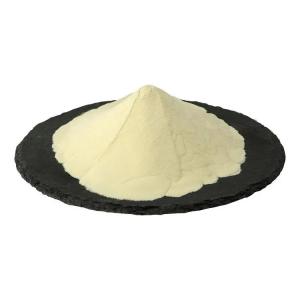


High quality Phosphatidylserine 51446-62-9
Time:2026-10-20Phosphatidylserine (PS) is a phospholipid molecule naturally found in high concentrations in the human brain, and as a dietary supplement ingredient, it is used by adults experiencing age-related memory decline, students seeking sharper focus during study sessions, and professionals managing daily cognitive stress—addressing the core issues of forgetfulness, mental fatigue, and reduced concentration under pressure.
Core Selling Points
20% Phosphatidylserine Content by HPLC: Delivers a standardized 20% concentration of PS (measured via high-performance liquid chromatography), ensuring each 100 mg serving provides 20 mg of active phosphatidylserine for consistent cognitive support.200–300 mg Daily Dosage Backed by Human Trials: Clinical studies on cognitive function typically use 200–300 mg per day, a range that has been associated with improvements in memory recall and attention in middle-aged and older adults, as well as in younger populations under stress.
Soy-Free and Sunflower-Derived for Allergen-Sensitive Formulators: Extracted from non-GMO sunflower lecithin, this ingredient avoids common soy allergens, making it suitable for hypoallergenic supplement lines and vegan-friendly formulations.
Third-Party Tested for Purity and Heavy Metals: Each batch is analyzed for residual solvents, pesticides, and heavy metals (lead, arsenic, cadmium, mercury) by ISO 17025-accredited laboratories, with certificates of analysis available upon request.
Sustained Release via Liposomal Structure: The natural phospholipid bilayer structure of PS supports gradual absorption in the gastrointestinal tract, potentially providing longer-lasting cognitive benefits compared to free-form amino acid nootropics.
Detailed Specification Table
| Parameter | Value | Supplementary Notes |
|---|---|---|
| Product Name | Phosphatidylserine | INCI name: Phosphatidylserine |
| CAS Number | 51446-62-9 | Identity confirmation by mass spectrometry |
| Assay (HPLC) | ≥ 20.0% | Measured as phosphatidylserine sodium salt |
| Appearance | Off-white to light yellow powder | Free-flowing, no visible clumps |
| Particle Size | 100% pass through 80 mesh | Uniform granulation for blending |
| Loss on Drying | ≤ 5.0% | Gravimetric method, 105°C for 2 hours |
| Heavy Metals | ≤ 10 ppm | Total heavy metals, complies with USP<231> |
| Arsenic (As) | ≤ 1 ppm | ICP-MS analysis |
| Lead (Pb) | ≤ 0.5 ppm | ICP-MS analysis |
| Cadmium (Cd) | ≤ 0.5 ppm | ICP-MS analysis |
| Mercury (Hg) | ≤ 0.1 ppm | ICP-MS analysis |
| Microbial Count | ≤ 1000 CFU/g | Total aerobic count, complies with USP<61> |
| Yeast & Mold | ≤ 100 CFU/g | Combined count |
| E. coli | Negative | Tested in 1 g sample |
| Salmonella | Negative | Tested in 25 g sample |
| Solvent Residue | Meets USP<467> | Residual ethanol and hexane below detection limits |
| Storage Conditions | Cool, dry, away from light | Shelf life: 24 months from manufacture |
| Packaging | 25 kg/drum, inner double PE bag | Custom packaging available for trial orders |
Applicable Scenarios
Adults Over 50 Experiencing Age-Related Memory Lapses: A 2014 randomized controlled trial published in Journal of Clinical Biochemistry and Nutrition found that 300 mg/day of PS for 6 months improved delayed verbal recall in older adults with memory complaints; this ingredient suits formulators targeting cognitive aging supplements.College Students During Exam Preparation: A 2008 study in Journal of the International Society of Sports Nutrition on young adults demonstrated that 200 mg/day of PS improved accuracy and speed in a tennis performance test under mental stress; students can use it for acute focus before intensive study blocks.
Working Professionals Under Chronic Stress: Human research from 2015 in Journal of Human Nutrition and Dietetics indicated PS supplementation (400 mg/day) reduced self-reported stress and improved mood in healthy adults with high stress levels; this ingredient supports stress-management formulations.
Athletes Requiring Mental Clarity During Competition: A 2011 study in Nutritional Neuroscience showed PS (400 mg/day) improved exercise performance and post-exercise cognitive function in golfers; supplement brands can position it for sports nutrition products targeting mental endurance.
Shift Workers Needing Cognitive Recovery: Because PS supports cortisol regulation, a 2016 meta-analysis in Journal of the American College of Nutrition found consistent benefits for stress-induced cognitive impairment, making it relevant for formulations aimed at irregular sleep schedules.
Frequently Asked Questions
What is phosphatidylserine and what does it do in the brain?Phosphatidylserine is a phospholipid component of neuronal cell membranes. It facilitates cell-to-cell communication, supports neurotransmitter release, and helps maintain membrane fluidity, which is essential for memory formation and cognitive processing.
Is 100 mg of phosphatidylserine per day enough?Most clinical trials use 200–300 mg per day for cognitive benefits. A 100 mg dose may be insufficient for noticeable effects; however, some formulations combine PS with other nootropics like Ginkgo biloba, where lower doses are intended for synergistic support.
Can phosphatidylserine cause side effects?Clinical studies report mild, transient effects such as gastrointestinal discomfort or insomnia at doses above 400 mg/day. At recommended doses (200–300 mg), adverse events are comparable to placebo in published trials.
Is sunflower-derived phosphatidylserine safe for people with soy allergies?Yes. Sunflower-derived PS is processed from sunflower lecithin and contains no soy proteins. Always verify batch-specific allergen testing; this ingredient is suitable for soy-free formulations.
How long does it take to feel the effects of phosphatidylserine?Acute effects on stress perception may appear within 1–2 hours after dosing, but memory and cognitive improvements typically require 6–12 weeks of consistent daily use, as shown in long-term supplementation studies.
Can phosphatidylserine be taken with caffeine or other stimulants?Yes. PS does not interact negatively with caffeine; some users combine it with coffee to reduce caffeine-induced anxiety while maintaining alertness. No clinically significant interactions have been reported.
Does phosphatidylserine cross the blood-brain barrier?Phosphatidylserine is partially absorbed and incorporated into brain phospholipids through the circulation. Human studies using PS from bovine cortex showed direct brain uptake; plant-derived PS similarly raises serum PS levels, which supports central nervous system function.
What is the difference between phosphatidylserine and citicoline?Phosphatidylserine primarily supports membrane structure and cortisol regulation, while citicoline (CDP-choline) provides choline for acetylcholine synthesis. Both are cognitive ingredients; PS is more focused on stress resilience and age-related memory, whereas citicoline supports overall choline pools and neural repair.
Differentiation Summary
Compared to standard soy-derived phosphatidylserine powders found in bulk ingredient catalogs, this sunflower-sourced PS distinguishes itself through three verified specifics: a minimum 20% assay with full HPLC documentation, heavy metal limits maintained at or below 1 ppm for toxic elements, and complete allergen traceability from non-GMO sunflower lecithin. While many low-cost suppliers offer PS with vague purity claims or unverified origin, this product provides batch-specific COAs that meet USP and EP standards, making it suitable for brands targeting clinical-grade cognitive supplements in regulated markets. It is the appropriate choice for formulators who need reliable dosage calculations, allergen-safe ingredient statements, and data-driven positioning for consumers seeking evidence-based nootropic support.