
 CN
News list
News Center





News
Phosphatidyl serine production optimization continues
Time:2026-11-18
Phosphatidyl Serine (PS) is an important phospholipid ingredient used in the food ingredient, dietary supplement, and specialty formulation industries. As market demand for high-quality phospholipid materials continues to develop, manufacturers are placing greater emphasis on production optimization, process consistency, and manufacturing efficiency.
Production optimization involves multiple stages, including raw material selection, extraction, conversion, purification, concentration, drying, and packaging. By improving individual processing operations and strengthening overall process coordination, manufacturers can enhance production stability while maintaining consistent product specifications.
1. Raw Material Selection and Quality Management
Raw material quality has a direct influence on phosphatidyl serine production. Differences in phospholipid composition, raw material purity, and initial moisture content may affect subsequent processing operations.
Manufacturers are increasingly establishing stricter raw material inspection procedures to evaluate incoming materials before production. Standardized supplier management, batch testing, and raw material traceability can help reduce variations between production batches.
Improved raw material selection also provides a more stable foundation for subsequent extraction and purification processes.
2. Optimization of Extraction Processes
Extraction is an important stage in phosphatidyl serine manufacturing. Process conditions, solvent selection, extraction efficiency, and material characteristics can all influence the composition of intermediate products.
Production optimization focuses on improving extraction efficiency while controlling unnecessary material losses. Adjustments to temperature, processing time, solvent ratios, and mixing conditions can help manufacturers establish more consistent operating parameters.
At the same time, equipment improvements and automated process monitoring are contributing to more stable extraction operations.
3. Improvement of Conversion Technology
The conversion process plays an important role in determining the composition and quality of phosphatidyl serine products.
Manufacturers continue to investigate improvements in reaction conditions, raw material compatibility, and process control. Appropriate optimization of reaction temperature, reaction time, mixing efficiency, and material ratios can contribute to improved process consistency.
More accurate monitoring of key production parameters also helps reduce fluctuations and supports reproducible manufacturing operations.
4. Purification and Separation Efficiency
Purification is essential for obtaining phosphatidyl serine products that meet specific quality requirements. Intermediate materials may contain other phospholipids, residual processing substances, and unwanted components.
Improving separation efficiency can help manufacturers achieve more consistent product composition. Filtration, chromatography, membrane separation, and other suitable purification technologies may be selected according to the manufacturing process and target specifications.
The optimization of purification operations also requires attention to processing capacity, material recovery, and equipment utilization.
5. Drying Technology and Product Characteristics
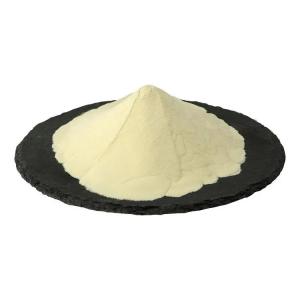
Drying is another important consideration in phosphatidyl serine production. Different drying conditions may influence moisture content, powder structure, particle characteristics, and storage behavior.
Manufacturers can evaluate suitable drying technologies according to the physical properties of intermediate materials and finished product requirements.
Temperature control, drying time, airflow, and equipment configuration are important factors in process optimization. Effective drying management helps establish more consistent finished product characteristics and facilitates subsequent packaging operations.
6. Automation and Intelligent Manufacturing
Automation is becoming increasingly important in modern phospholipid production facilities.
Automated equipment can improve the control of feeding, mixing, temperature regulation, filtration, and material transfer. Integrated monitoring systems also allow production personnel to track important operating parameters throughout the manufacturing process.
Digital production records provide additional support for batch comparison, process analysis, and quality traceability.
The integration of automation and intelligent manufacturing technologies can reduce unnecessary manual operations and improve overall production coordination.
7. Energy Efficiency and Waste Reduction
Production optimization is not limited to product quality and manufacturing capacity. Energy consumption and material utilization are also important considerations.
Manufacturers are exploring more efficient heating, cooling, separation, and drying systems to reduce unnecessary energy consumption. Optimizing solvent recovery and improving material utilization can also help minimize production waste.
In addition, equipment maintenance and process integration can reduce downtime and improve the efficiency of manufacturing facilities.
8. Strengthening Quality Control Throughout Production
A comprehensive quality control system is essential for sustainable production optimization.
Manufacturers are increasingly combining raw material inspection, intermediate product testing, process monitoring, and finished product evaluation.
Important quality indicators may include phosphatidyl serine content, purity, moisture level, appearance, residual solvents, and impurity profiles.
By establishing standardized testing procedures and monitoring critical process parameters, manufacturers can identify production deviations earlier and improve batch-to-batch consistency.
9. Future Trends in Production Optimization
Future phosphatidyl serine manufacturing is expected to place greater emphasis on process integration, digital monitoring, and resource efficiency.
Several development directions are becoming increasingly important:
More precise control of extraction and conversion processes.
Improved purification and separation technologies.
Greater application of automated production equipment.
Optimization of drying and packaging operations.
Enhanced raw material traceability and batch management.
Reduced energy consumption and improved material recovery.
More comprehensive analytical testing and quality evaluation.
These developments will encourage manufacturers to establish more flexible and efficient production systems.
Conclusion
Phosphatidyl serine production optimization continues to advance as manufacturers respond to changing market requirements and increasingly demanding product specifications. Improvements in raw material management, extraction, conversion, purification, drying, and automated production are helping strengthen manufacturing consistency.
In the future, the integration of advanced processing technologies, intelligent monitoring systems, and comprehensive quality management will remain important for improving phosphatidyl serine production efficiency and supporting the long-term development of the phospholipid industry.
Production optimization involves multiple stages, including raw material selection, extraction, conversion, purification, concentration, drying, and packaging. By improving individual processing operations and strengthening overall process coordination, manufacturers can enhance production stability while maintaining consistent product specifications.
1. Raw Material Selection and Quality Management
Raw material quality has a direct influence on phosphatidyl serine production. Differences in phospholipid composition, raw material purity, and initial moisture content may affect subsequent processing operations.
Manufacturers are increasingly establishing stricter raw material inspection procedures to evaluate incoming materials before production. Standardized supplier management, batch testing, and raw material traceability can help reduce variations between production batches.
Improved raw material selection also provides a more stable foundation for subsequent extraction and purification processes.
2. Optimization of Extraction Processes
Extraction is an important stage in phosphatidyl serine manufacturing. Process conditions, solvent selection, extraction efficiency, and material characteristics can all influence the composition of intermediate products.
Production optimization focuses on improving extraction efficiency while controlling unnecessary material losses. Adjustments to temperature, processing time, solvent ratios, and mixing conditions can help manufacturers establish more consistent operating parameters.
At the same time, equipment improvements and automated process monitoring are contributing to more stable extraction operations.
3. Improvement of Conversion Technology
The conversion process plays an important role in determining the composition and quality of phosphatidyl serine products.
Manufacturers continue to investigate improvements in reaction conditions, raw material compatibility, and process control. Appropriate optimization of reaction temperature, reaction time, mixing efficiency, and material ratios can contribute to improved process consistency.
More accurate monitoring of key production parameters also helps reduce fluctuations and supports reproducible manufacturing operations.
4. Purification and Separation Efficiency
Purification is essential for obtaining phosphatidyl serine products that meet specific quality requirements. Intermediate materials may contain other phospholipids, residual processing substances, and unwanted components.
Improving separation efficiency can help manufacturers achieve more consistent product composition. Filtration, chromatography, membrane separation, and other suitable purification technologies may be selected according to the manufacturing process and target specifications.
The optimization of purification operations also requires attention to processing capacity, material recovery, and equipment utilization.
5. Drying Technology and Product Characteristics
Drying is another important consideration in phosphatidyl serine production. Different drying conditions may influence moisture content, powder structure, particle characteristics, and storage behavior.
Manufacturers can evaluate suitable drying technologies according to the physical properties of intermediate materials and finished product requirements.
Temperature control, drying time, airflow, and equipment configuration are important factors in process optimization. Effective drying management helps establish more consistent finished product characteristics and facilitates subsequent packaging operations.
6. Automation and Intelligent Manufacturing
Automation is becoming increasingly important in modern phospholipid production facilities.
Automated equipment can improve the control of feeding, mixing, temperature regulation, filtration, and material transfer. Integrated monitoring systems also allow production personnel to track important operating parameters throughout the manufacturing process.
Digital production records provide additional support for batch comparison, process analysis, and quality traceability.
The integration of automation and intelligent manufacturing technologies can reduce unnecessary manual operations and improve overall production coordination.
7. Energy Efficiency and Waste Reduction
Production optimization is not limited to product quality and manufacturing capacity. Energy consumption and material utilization are also important considerations.
Manufacturers are exploring more efficient heating, cooling, separation, and drying systems to reduce unnecessary energy consumption. Optimizing solvent recovery and improving material utilization can also help minimize production waste.
In addition, equipment maintenance and process integration can reduce downtime and improve the efficiency of manufacturing facilities.
8. Strengthening Quality Control Throughout Production
A comprehensive quality control system is essential for sustainable production optimization.
Manufacturers are increasingly combining raw material inspection, intermediate product testing, process monitoring, and finished product evaluation.
Important quality indicators may include phosphatidyl serine content, purity, moisture level, appearance, residual solvents, and impurity profiles.
By establishing standardized testing procedures and monitoring critical process parameters, manufacturers can identify production deviations earlier and improve batch-to-batch consistency.
9. Future Trends in Production Optimization
Future phosphatidyl serine manufacturing is expected to place greater emphasis on process integration, digital monitoring, and resource efficiency.
Several development directions are becoming increasingly important:
More precise control of extraction and conversion processes.
Improved purification and separation technologies.
Greater application of automated production equipment.
Optimization of drying and packaging operations.
Enhanced raw material traceability and batch management.
Reduced energy consumption and improved material recovery.
More comprehensive analytical testing and quality evaluation.
These developments will encourage manufacturers to establish more flexible and efficient production systems.
Conclusion
Phosphatidyl serine production optimization continues to advance as manufacturers respond to changing market requirements and increasingly demanding product specifications. Improvements in raw material management, extraction, conversion, purification, drying, and automated production are helping strengthen manufacturing consistency.
In the future, the integration of advanced processing technologies, intelligent monitoring systems, and comprehensive quality management will remain important for improving phosphatidyl serine production efficiency and supporting the long-term development of the phospholipid industry.
Previous:Phosphatidyl serine application fields broaden
Next:None