
 CN
News list
News Center





News
Phosphatidyl serine market growth remains strong
Time:2026-11-20
The phosphatidyl serine market continues to attract attention as demand for specialized phospholipid ingredients expands across the food, dietary supplement, and functional ingredient industries. As manufacturers focus on product innovation, quality improvement, and diversified application development, phosphatidyl serine is becoming an increasingly important ingredient in the global phospholipid market.
Market growth is supported by improvements in manufacturing technology, expanding product portfolios, and greater interest in high-quality specialty ingredients. These factors are encouraging suppliers to strengthen production capabilities and explore new business opportunities.
Increasing Demand for Phosphatidyl Serine
Demand for phosphatidyl serine is influenced by the development of the global nutritional ingredient industry. Manufacturers are paying greater attention to ingredient composition, sourcing transparency, and standardized product specifications.
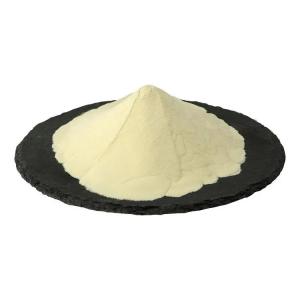
The expansion of specialized ingredient applications has also encouraged suppliers to offer different grades and formulations. Powder products, blended ingredients, and customized specifications provide manufacturers with additional options for meeting different processing requirements.
As downstream industries continue to diversify their product portfolios, the demand for reliable phosphatidyl serine supply is expected to remain an important market consideration.
Product Innovation Supports Market Expansion
Product innovation is one of the major factors supporting the development of the phosphatidyl serine market. Manufacturers are investing in improved extraction processes, purification technologies, and formulation methods to enhance product consistency.
Different application requirements are also encouraging the development of customized product specifications. Factors such as phospholipid composition, purity, moisture content, particle characteristics, and packaging conditions are receiving increasing attention.
These improvements help suppliers strengthen their competitiveness and provide more flexible solutions for different customer requirements.
Manufacturing Technology and Supply Capacity
Stable manufacturing capacity is essential for supporting the long-term growth of the phosphatidyl serine market. Producers are gradually focusing on process optimization, equipment upgrades, and production-line integration.
Advanced separation equipment and automated monitoring systems can help improve manufacturing efficiency and reduce variations between production batches. Better coordination between raw material procurement, processing, testing, and packaging also contributes to more reliable supply management.
As market demand develops, manufacturers with consistent production systems and effective quality management procedures may gain stronger positions in the competitive ingredient industry.
Quality Standards and Product Consistency
Quality management has become an important consideration in phosphatidyl serine market development. Buyers increasingly evaluate suppliers according to product specifications, analytical methods, batch records, and quality documentation.
Manufacturers must establish appropriate inspection procedures to monitor raw materials and finished products. Consistent analytical testing helps ensure that products meet agreed specifications and supports communication throughout the supply chain.
Improved quality management can also strengthen customer confidence and facilitate cooperation between international suppliers and downstream manufacturers.
Global Market Competition and Supply Chain Development
The phosphatidyl serine market is influenced by international sourcing, manufacturing costs, technological capabilities, and regional demand differences.
Suppliers are facing increasing competition in product quality, production efficiency, delivery reliability, and technical support. In this environment, companies are placing greater emphasis on supply chain coordination and long-term customer relationships.
Diversified sourcing strategies and improved inventory management can help manufacturers respond to changes in raw material availability and market demand. International trade and industry cooperation are also creating additional opportunities for market expansion.
Future Development Opportunities
Looking ahead, the phosphatidyl serine market is expected to continue evolving alongside developments in specialty phospholipids and nutritional ingredients.
Several areas may provide new opportunities:
Development of higher-standard phosphatidyl serine products.
Improvement of extraction and purification technologies.
Expansion of customized ingredient specifications.
Optimization of production costs and resource utilization.
Strengthening of international supply chain cooperation.
Development of more sustainable manufacturing processes.
Companies that combine technological innovation with stable product quality and efficient supply management will be better positioned to respond to changing market requirements.
Conclusion
The phosphatidyl serine market continues to demonstrate strong development potential, supported by product innovation, expanding ingredient applications, and improvements in manufacturing technology. As industry competition becomes more focused on quality, consistency, and supply reliability, manufacturers will need to strengthen their technical capabilities and improve production management.
With ongoing investment in process optimization and product development, phosphatidyl serine is expected to maintain an important position in the specialty phospholipid ingredient market.