
 CN
CN
News list
News Center





News
Phosphatidyl serine supply chains are developing
Time:2026-10-15
The phosphatidyl serine supply chain is becoming more specialized as demand for phospholipid ingredients continues to develop. Rather than relying only on basic raw material supply, the industry is increasingly focusing on source selection, enzymatic conversion, purification, quality control, formulation compatibility, and traceability.
Current market research indicates that phosphatidyl serine is increasingly supplied from plant-based lecithin sources, particularly soy and sunflower lecithin. This is creating closer links between agricultural commodities, lecithin processing, phosphatidyl serine manufacturing, and downstream ingredient formulation.
Upstream Raw Material Supply
Lecithin is an important upstream material for many phosphatidyl serine production routes.
Soy lecithin has traditionally represented an important feedstock, while sunflower lecithin is receiving increasing attention. The choice of feedstock can influence sourcing strategy, cost structure, documentation requirements, and downstream product positioning.
As a result, manufacturers increasingly need to establish stable relationships with qualified lecithin suppliers rather than relying on short-term raw material procurement.
Growth of Sunflower-Derived Phosphatidyl Serine
Sunflower-derived phosphatidyl serine is becoming an important direction within the supply chain.
Demand for non-GMO and alternative plant-based sourcing is encouraging manufacturers to develop sunflower-based products. Market analysis also identifies sunflower-derived phospholipids as one of the faster-growing areas within the broader phospholipid market.
This trend is encouraging suppliers to diversify their upstream sourcing and develop separate processing capabilities for different lecithin sources.
Soy-Based Supply Chains Remain Important
Although alternative sources are expanding, soy-based phosphatidyl serine remains an important part of the commercial supply chain.
Soy lecithin benefits from established agricultural supply networks and mature processing technologies. European food regulations also explicitly describe phosphatidyl serine produced through enzymatic transphosphatidylation of high-phosphatidylcholine soybean lecithin, demonstrating the established role of soy-based production routes.
Therefore, future supply chains are likely to develop toward source diversification rather than complete replacement of one feedstock by another.
Enzymatic Conversion Technology
Enzymatic conversion is an important production technology in the phosphatidyl serine supply chain.
This approach allows phospholipid feedstocks to be converted into phosphatidyl serine under controlled processing conditions. The technology connects raw material quality with downstream product composition and therefore places greater emphasis on enzyme activity, reaction conditions, substrate quality, and process monitoring.
Production technology is consequently becoming an important source of differentiation between suppliers.
Purification Technology Development
As downstream customers demand more consistent phosphatidyl serine specifications, purification becomes increasingly important.
Production systems need to control residual starting materials, glycerides, free components, moisture, and other process-related impurities. European specifications for certain phosphatidyl serine ingredients illustrate the level of compositional detail that can be required for regulated food applications.
Future supply chains are therefore likely to place greater emphasis on standardized purification and batch-to-batch consistency.
Quality Control Across the Supply Chain
Quality management is gradually moving from finished-product testing toward whole-chain quality control.
Raw materials, intermediate products, finished phosphatidyl serine, packaging materials, and storage conditions can all influence final quality. A stable supply chain therefore requires specifications to be established at multiple production stages.
This approach can help manufacturers reduce variation between different batches and improve downstream formulation consistency.
Traceability Becomes More Important
Traceability is becoming an important requirement for ingredient procurement.
Buyers increasingly need information about the source of lecithin, production location, processing route, batch documentation, allergen status, and relevant certificates. Supplier-selection guidance published in 2026 also emphasizes documentation consistency across specifications, certificates of analysis, packaging information, and source statements.
This means that documentation capability is becoming part of the overall competitiveness of phosphatidyl serine suppliers.
Supply Chain Diversification
A diversified supply chain can reduce dependence on a single raw material source or production region.
Manufacturers can develop multiple qualified suppliers for soy lecithin, sunflower lecithin, enzymes, packaging materials, and logistics services. Dual sourcing can also provide greater flexibility when agricultural commodity prices or regional supply conditions change.
For large-scale ingredient producers, supply chain diversification is therefore becoming an important risk-management strategy.
Agricultural Commodity Price Influence
Phosphatidyl serine production remains connected to upstream agricultural markets.
Changes in soybean and sunflower production can influence lecithin availability and procurement costs. Recent market analysis specifically identifies soybean and sunflower commodity dynamics as important factors affecting phosphatidyl serine supply economics.
This creates a need for manufacturers to monitor upstream commodity markets when developing long-term procurement strategies.
Production Capacity Expansion
As demand increases, production capacity is also becoming an important supply-chain consideration.
Capacity expansion does not simply mean installing additional equipment. Manufacturers need to coordinate raw material storage, enzymatic conversion, purification, drying, packaging, quality testing, and finished-product warehousing.
A well-integrated production system can improve material utilization and reduce fluctuations between different production batches.
Powder and Liquid Product Development
Phosphatidyl serine is available in different physical formats, with powder and liquid products serving different formulation requirements.
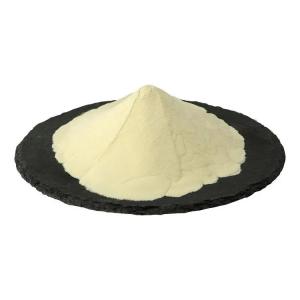
Powder products are convenient for dry blends, capsules, tablets, and premixes, while liquid formats can be considered for certain oil-based or specialized formulation systems. European regulatory documentation also describes both powder and liquid forms for certain soybean-derived phosphatidyl serine products.
The development of multiple formats is making the supply chain more closely connected with downstream formulation technology.
Packaging and Storage Management
Phospholipid ingredients require appropriate packaging and storage management.
Moisture, oxygen exposure, temperature, and light can influence product stability. Therefore, packaging design, warehouse conditions, transportation arrangements, and inventory turnover all need to be considered when developing a complete supply-chain system.
Suppliers are increasingly expected to provide not only the ingredient itself but also appropriate storage and handling recommendations.
International Logistics Development
The phosphatidyl serine supply chain is becoming increasingly international.
Raw materials may originate from one agricultural region, be processed in another region, and then be supplied to manufacturers in different markets. This creates additional requirements for logistics planning, customs documentation, regulatory compliance, and inventory management.
Regional warehousing and diversified transportation channels can help suppliers respond more flexibly to international customer demand.
Regulatory Compliance
Regulatory requirements are an important part of international phosphatidyl serine supply.
Different markets may have different requirements for source declarations, specifications, labeling, permitted uses, and supporting documentation. For example, the European Union maintains specific entries for certain phosphatidyl serine ingredients, including soybean- and fish-phospholipid-derived products.
Therefore, suppliers targeting international markets need to incorporate regulatory assessment into product development and supply-chain management.
Supplier Qualification Is Becoming More Detailed
Downstream buyers are increasingly evaluating suppliers through a combination of technical and commercial criteria.
Product specifications alone may not be sufficient. Buyers may also review production consistency, source traceability, quality systems, certificates, analytical methods, packaging, delivery capability, and technical support.
This shift is encouraging phosphatidyl serine suppliers to develop more complete B2B service systems.
Digital Supply Chain Management
Digital technologies can improve visibility throughout the phosphatidyl serine supply chain.
Production batches, raw material lots, quality-control results, warehouse inventory, transportation records, and customer orders can be integrated into digital management systems.
Such systems can make it easier to trace individual batches and identify potential sources of quality variation.
Customized Supply Chain Services
Different customers may require different phosphatidyl serine grades, sources, concentrations, physical forms, or packaging configurations.
As a result, suppliers are gradually moving from standardized bulk sales toward more customized B2B supply services. This can include source selection, specification adjustment, packaging customization, documentation support, and formulation-oriented technical assistance.
Customization can also help suppliers establish closer relationships with downstream manufacturers.
Sustainability in the Supply Chain
Sustainability is becoming another consideration in phosphatidyl serine sourcing.
Plant-based raw materials, responsible agricultural sourcing, resource-efficient processing, solvent management, energy consumption, and packaging choices can all influence the environmental profile of the supply chain.
The broader phospholipid industry is already showing greater interest in sunflower and other alternative plant sources in response to sustainability and sourcing considerations.
Regional Supply Chain Development
Different regions are developing different strengths within the phosphatidyl serine industry.
Some regions have advantages in agricultural raw materials, while others have established phospholipid processing and enzymatic conversion capabilities. Downstream markets may then specialize in formulation, packaging, and finished-product manufacturing.
This creates an increasingly interconnected global supply network.
Future Development Trends
Future phosphatidyl serine supply chains are likely to develop in several directions.
First, raw material sources will become more diversified. Second, enzymatic conversion and purification technologies will continue to improve. Third, quality control will move toward greater process integration and traceability. Fourth, powder and liquid formulation options will become more specialized.
At the same time, suppliers will need to respond to sustainability requirements, regulatory differences, agricultural commodity fluctuations, and increasingly detailed customer qualification standards.
Conclusion
Phosphatidyl serine supply chains are developing from relatively simple ingredient procurement systems toward integrated networks covering raw materials, enzymatic conversion, purification, quality control, packaging, logistics, regulatory compliance, and downstream formulation.
Soy-based supply remains important, while sunflower-derived materials are gaining attention as supply diversification continues.
In the future, suppliers with stable raw material channels, consistent production technology, strong traceability, flexible product formats, and reliable quality systems are likely to have greater opportunities in the expanding phosphatidyl serine market.
Current market research indicates that phosphatidyl serine is increasingly supplied from plant-based lecithin sources, particularly soy and sunflower lecithin. This is creating closer links between agricultural commodities, lecithin processing, phosphatidyl serine manufacturing, and downstream ingredient formulation.
Upstream Raw Material Supply
Lecithin is an important upstream material for many phosphatidyl serine production routes.
Soy lecithin has traditionally represented an important feedstock, while sunflower lecithin is receiving increasing attention. The choice of feedstock can influence sourcing strategy, cost structure, documentation requirements, and downstream product positioning.
As a result, manufacturers increasingly need to establish stable relationships with qualified lecithin suppliers rather than relying on short-term raw material procurement.
Growth of Sunflower-Derived Phosphatidyl Serine
Sunflower-derived phosphatidyl serine is becoming an important direction within the supply chain.
Demand for non-GMO and alternative plant-based sourcing is encouraging manufacturers to develop sunflower-based products. Market analysis also identifies sunflower-derived phospholipids as one of the faster-growing areas within the broader phospholipid market.
This trend is encouraging suppliers to diversify their upstream sourcing and develop separate processing capabilities for different lecithin sources.
Soy-Based Supply Chains Remain Important
Although alternative sources are expanding, soy-based phosphatidyl serine remains an important part of the commercial supply chain.
Soy lecithin benefits from established agricultural supply networks and mature processing technologies. European food regulations also explicitly describe phosphatidyl serine produced through enzymatic transphosphatidylation of high-phosphatidylcholine soybean lecithin, demonstrating the established role of soy-based production routes.
Therefore, future supply chains are likely to develop toward source diversification rather than complete replacement of one feedstock by another.
Enzymatic Conversion Technology
Enzymatic conversion is an important production technology in the phosphatidyl serine supply chain.
This approach allows phospholipid feedstocks to be converted into phosphatidyl serine under controlled processing conditions. The technology connects raw material quality with downstream product composition and therefore places greater emphasis on enzyme activity, reaction conditions, substrate quality, and process monitoring.
Production technology is consequently becoming an important source of differentiation between suppliers.
Purification Technology Development
As downstream customers demand more consistent phosphatidyl serine specifications, purification becomes increasingly important.
Production systems need to control residual starting materials, glycerides, free components, moisture, and other process-related impurities. European specifications for certain phosphatidyl serine ingredients illustrate the level of compositional detail that can be required for regulated food applications.
Future supply chains are therefore likely to place greater emphasis on standardized purification and batch-to-batch consistency.
Quality Control Across the Supply Chain
Quality management is gradually moving from finished-product testing toward whole-chain quality control.
Raw materials, intermediate products, finished phosphatidyl serine, packaging materials, and storage conditions can all influence final quality. A stable supply chain therefore requires specifications to be established at multiple production stages.
This approach can help manufacturers reduce variation between different batches and improve downstream formulation consistency.
Traceability Becomes More Important
Traceability is becoming an important requirement for ingredient procurement.
Buyers increasingly need information about the source of lecithin, production location, processing route, batch documentation, allergen status, and relevant certificates. Supplier-selection guidance published in 2026 also emphasizes documentation consistency across specifications, certificates of analysis, packaging information, and source statements.
This means that documentation capability is becoming part of the overall competitiveness of phosphatidyl serine suppliers.
Supply Chain Diversification
A diversified supply chain can reduce dependence on a single raw material source or production region.
Manufacturers can develop multiple qualified suppliers for soy lecithin, sunflower lecithin, enzymes, packaging materials, and logistics services. Dual sourcing can also provide greater flexibility when agricultural commodity prices or regional supply conditions change.
For large-scale ingredient producers, supply chain diversification is therefore becoming an important risk-management strategy.
Agricultural Commodity Price Influence
Phosphatidyl serine production remains connected to upstream agricultural markets.
Changes in soybean and sunflower production can influence lecithin availability and procurement costs. Recent market analysis specifically identifies soybean and sunflower commodity dynamics as important factors affecting phosphatidyl serine supply economics.
This creates a need for manufacturers to monitor upstream commodity markets when developing long-term procurement strategies.
Production Capacity Expansion
As demand increases, production capacity is also becoming an important supply-chain consideration.
Capacity expansion does not simply mean installing additional equipment. Manufacturers need to coordinate raw material storage, enzymatic conversion, purification, drying, packaging, quality testing, and finished-product warehousing.
A well-integrated production system can improve material utilization and reduce fluctuations between different production batches.
Powder and Liquid Product Development
Phosphatidyl serine is available in different physical formats, with powder and liquid products serving different formulation requirements.
Powder products are convenient for dry blends, capsules, tablets, and premixes, while liquid formats can be considered for certain oil-based or specialized formulation systems. European regulatory documentation also describes both powder and liquid forms for certain soybean-derived phosphatidyl serine products.
The development of multiple formats is making the supply chain more closely connected with downstream formulation technology.
Packaging and Storage Management
Phospholipid ingredients require appropriate packaging and storage management.
Moisture, oxygen exposure, temperature, and light can influence product stability. Therefore, packaging design, warehouse conditions, transportation arrangements, and inventory turnover all need to be considered when developing a complete supply-chain system.
Suppliers are increasingly expected to provide not only the ingredient itself but also appropriate storage and handling recommendations.
International Logistics Development
The phosphatidyl serine supply chain is becoming increasingly international.
Raw materials may originate from one agricultural region, be processed in another region, and then be supplied to manufacturers in different markets. This creates additional requirements for logistics planning, customs documentation, regulatory compliance, and inventory management.
Regional warehousing and diversified transportation channels can help suppliers respond more flexibly to international customer demand.
Regulatory Compliance
Regulatory requirements are an important part of international phosphatidyl serine supply.
Different markets may have different requirements for source declarations, specifications, labeling, permitted uses, and supporting documentation. For example, the European Union maintains specific entries for certain phosphatidyl serine ingredients, including soybean- and fish-phospholipid-derived products.
Therefore, suppliers targeting international markets need to incorporate regulatory assessment into product development and supply-chain management.
Supplier Qualification Is Becoming More Detailed
Downstream buyers are increasingly evaluating suppliers through a combination of technical and commercial criteria.
Product specifications alone may not be sufficient. Buyers may also review production consistency, source traceability, quality systems, certificates, analytical methods, packaging, delivery capability, and technical support.
This shift is encouraging phosphatidyl serine suppliers to develop more complete B2B service systems.
Digital Supply Chain Management
Digital technologies can improve visibility throughout the phosphatidyl serine supply chain.
Production batches, raw material lots, quality-control results, warehouse inventory, transportation records, and customer orders can be integrated into digital management systems.
Such systems can make it easier to trace individual batches and identify potential sources of quality variation.
Customized Supply Chain Services
Different customers may require different phosphatidyl serine grades, sources, concentrations, physical forms, or packaging configurations.
As a result, suppliers are gradually moving from standardized bulk sales toward more customized B2B supply services. This can include source selection, specification adjustment, packaging customization, documentation support, and formulation-oriented technical assistance.
Customization can also help suppliers establish closer relationships with downstream manufacturers.
Sustainability in the Supply Chain
Sustainability is becoming another consideration in phosphatidyl serine sourcing.
Plant-based raw materials, responsible agricultural sourcing, resource-efficient processing, solvent management, energy consumption, and packaging choices can all influence the environmental profile of the supply chain.
The broader phospholipid industry is already showing greater interest in sunflower and other alternative plant sources in response to sustainability and sourcing considerations.
Regional Supply Chain Development
Different regions are developing different strengths within the phosphatidyl serine industry.
Some regions have advantages in agricultural raw materials, while others have established phospholipid processing and enzymatic conversion capabilities. Downstream markets may then specialize in formulation, packaging, and finished-product manufacturing.
This creates an increasingly interconnected global supply network.
Future Development Trends
Future phosphatidyl serine supply chains are likely to develop in several directions.
First, raw material sources will become more diversified. Second, enzymatic conversion and purification technologies will continue to improve. Third, quality control will move toward greater process integration and traceability. Fourth, powder and liquid formulation options will become more specialized.
At the same time, suppliers will need to respond to sustainability requirements, regulatory differences, agricultural commodity fluctuations, and increasingly detailed customer qualification standards.
Conclusion
Phosphatidyl serine supply chains are developing from relatively simple ingredient procurement systems toward integrated networks covering raw materials, enzymatic conversion, purification, quality control, packaging, logistics, regulatory compliance, and downstream formulation.
Soy-based supply remains important, while sunflower-derived materials are gaining attention as supply diversification continues.
In the future, suppliers with stable raw material channels, consistent production technology, strong traceability, flexible product formats, and reliable quality systems are likely to have greater opportunities in the expanding phosphatidyl serine market.