
 CN
CN
News list
News Center





News
Phosphatidyl serine formulation innovation grows
Time:2026-10-14
Phosphatidyl serine formulation innovation is gaining momentum as ingredient manufacturers and product developers explore new ways to improve formulation flexibility, stability, and processing performance.
Rather than focusing only on phosphatidyl serine content, modern formulation development increasingly considers raw material characteristics, dispersion behavior, moisture management, oxidation stability, and compatibility with other ingredients.
Improving Ingredient Compatibility
Phosphatidyl serine is commonly incorporated into complex ingredient systems rather than used alone. Its interaction with oils, powders, proteins, carbohydrates, emulsifiers, and other phospholipids can influence the overall formulation.
Developers can evaluate ingredient compatibility during early-stage formulation screening to identify potential changes in dispersion, flowability, moisture sensitivity, and physical stability.
Powder Formulation Innovation
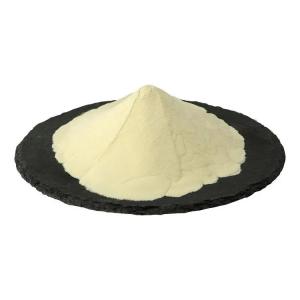
Powder-based phosphatidyl serine formulations remain an important area of development. Particle size, bulk density, moisture content, and powder flow can all influence manufacturing performance.
Adjusting particle characteristics and incorporating suitable carriers may help create powders with more consistent handling and mixing properties.
Liquid Formulation Development
Liquid formulations provide another platform for phosphatidyl serine development. However, maintaining uniform dispersion can be challenging because phospholipid ingredients may interact differently with aqueous and oil-based systems.
Formulation research can therefore focus on dispersion methods, emulsification strategies, ingredient ratios, and processing conditions.
Emulsion-Based Formulations
Emulsion technology offers opportunities to incorporate phosphatidyl serine into more complex liquid systems.
The selection of emulsifying components, oil phase characteristics, mixing intensity, and processing temperature can affect droplet distribution and formulation stability.
Careful optimization is needed to achieve a suitable balance between physical stability and manufacturing efficiency.
Particle Size Optimization
Particle size can significantly influence the behavior of phosphatidyl serine in powder and liquid formulations.
Smaller particles may provide different dispersion characteristics compared with larger particles, while excessive reduction in particle size may also influence powder flow and processing behavior.
Therefore, particle size optimization should be evaluated together with formulation composition and manufacturing requirements.
Moisture Management
Moisture control is an important consideration in phosphatidyl serine formulation development. Excess moisture can influence powder flow, aggregation, storage stability, and processing behavior.
Formulators can investigate moisture-resistant packaging, controlled drying conditions, and appropriate carrier systems to maintain consistent product characteristics.
Oxidation Stability
Phospholipid-containing formulations require careful consideration of oxidation-related stability. Raw material quality, oxygen exposure, temperature, light, and packaging conditions can all influence stability.
Formulation innovation can therefore include antioxidant system evaluation, oxygen management, packaging optimization, and controlled storage conditions.
Carrier System Development
Carriers can play an important role in powder formulation. Different carbohydrates, fibers, proteins, or other suitable materials may influence dispersion, flowability, and moisture behavior.
The selection of carriers should be based on the target formulation, processing equipment, and desired physical characteristics.
Combination Formulations
Combining phosphatidyl serine with other phospholipid ingredients is another area of formulation research.
Different phospholipid components may have complementary physical properties, allowing developers to investigate new combinations for specific product formats.
The main focus is to establish compatibility while maintaining consistent composition and processing performance.
Encapsulation Technology
Encapsulation provides another potential route for phosphatidyl serine formulation innovation.
Encapsulation systems can be investigated to improve handling, protect sensitive ingredients, and control their dispersion behavior within different product matrices.
The choice of encapsulation material and processing method needs to be matched with the physicochemical characteristics of phosphatidyl serine.
Improving Processing Efficiency
Formulation innovation is closely connected with manufacturing efficiency. A formulation that performs well in laboratory testing may still present challenges during large-scale mixing, drying, filling, or packaging.
Therefore, formulation development should include pilot-scale testing and equipment compatibility studies.
Stability Testing
A comprehensive stability program can help identify formulation weaknesses before commercial production.
Testing may include moisture changes, particle aggregation, dispersion behavior, composition, oxidation-related indicators, and physical appearance under different storage conditions.
These results can guide further optimization of ingredient ratios and packaging systems.
Application-Specific Formulation Design
Different product categories require different formulation strategies. Powder blends, beverages, soft gels, capsules, functional foods, and other formats may have different requirements for particle size, moisture, flowability, and dispersion.
Application-specific formulation development can therefore provide more flexibility than relying on a single standardized formulation.
Digital Formulation Optimization
Digital tools and experimental design methods are increasingly useful for formulation development.
By evaluating multiple variables simultaneously, manufacturers can identify relationships between ingredient ratios, processing parameters, and final product characteristics.
This approach can shorten development cycles and reduce unnecessary formulation trials.
Sustainable Formulation Development
Sustainability is also becoming part of phosphatidyl serine formulation innovation. Developers may consider lower-energy processing methods, efficient carrier systems, reduced material loss, and recyclable packaging options.
Formulation efficiency can therefore be evaluated from both technical and resource-utilization perspectives.
Future Innovation Trends
Future phosphatidyl serine formulation development is likely to focus on greater physical stability, improved processing flexibility, application-specific designs, and more efficient manufacturing.
Advances in encapsulation, dispersion technology, particle engineering, and digital formulation analysis may provide additional opportunities for developing differentiated phosphatidyl serine products.
Conclusion
Phosphatidyl serine formulation innovation is expanding beyond simple ingredient incorporation toward systematic control of compatibility, particle characteristics, moisture, oxidation stability, dispersion, and processing performance.
As formulation technologies continue to develop, manufacturers can explore more flexible powder, liquid, emulsion, combination, and encapsulated systems. Integrating formulation science with process optimization and quality management will remain important for the next stage of phosphatidyl serine product development.
Rather than focusing only on phosphatidyl serine content, modern formulation development increasingly considers raw material characteristics, dispersion behavior, moisture management, oxidation stability, and compatibility with other ingredients.
Improving Ingredient Compatibility
Phosphatidyl serine is commonly incorporated into complex ingredient systems rather than used alone. Its interaction with oils, powders, proteins, carbohydrates, emulsifiers, and other phospholipids can influence the overall formulation.
Developers can evaluate ingredient compatibility during early-stage formulation screening to identify potential changes in dispersion, flowability, moisture sensitivity, and physical stability.
Powder Formulation Innovation
Powder-based phosphatidyl serine formulations remain an important area of development. Particle size, bulk density, moisture content, and powder flow can all influence manufacturing performance.
Adjusting particle characteristics and incorporating suitable carriers may help create powders with more consistent handling and mixing properties.
Liquid Formulation Development
Liquid formulations provide another platform for phosphatidyl serine development. However, maintaining uniform dispersion can be challenging because phospholipid ingredients may interact differently with aqueous and oil-based systems.
Formulation research can therefore focus on dispersion methods, emulsification strategies, ingredient ratios, and processing conditions.
Emulsion-Based Formulations
Emulsion technology offers opportunities to incorporate phosphatidyl serine into more complex liquid systems.
The selection of emulsifying components, oil phase characteristics, mixing intensity, and processing temperature can affect droplet distribution and formulation stability.
Careful optimization is needed to achieve a suitable balance between physical stability and manufacturing efficiency.
Particle Size Optimization
Particle size can significantly influence the behavior of phosphatidyl serine in powder and liquid formulations.
Smaller particles may provide different dispersion characteristics compared with larger particles, while excessive reduction in particle size may also influence powder flow and processing behavior.
Therefore, particle size optimization should be evaluated together with formulation composition and manufacturing requirements.
Moisture Management
Moisture control is an important consideration in phosphatidyl serine formulation development. Excess moisture can influence powder flow, aggregation, storage stability, and processing behavior.
Formulators can investigate moisture-resistant packaging, controlled drying conditions, and appropriate carrier systems to maintain consistent product characteristics.
Oxidation Stability
Phospholipid-containing formulations require careful consideration of oxidation-related stability. Raw material quality, oxygen exposure, temperature, light, and packaging conditions can all influence stability.
Formulation innovation can therefore include antioxidant system evaluation, oxygen management, packaging optimization, and controlled storage conditions.
Carrier System Development
Carriers can play an important role in powder formulation. Different carbohydrates, fibers, proteins, or other suitable materials may influence dispersion, flowability, and moisture behavior.
The selection of carriers should be based on the target formulation, processing equipment, and desired physical characteristics.
Combination Formulations
Combining phosphatidyl serine with other phospholipid ingredients is another area of formulation research.
Different phospholipid components may have complementary physical properties, allowing developers to investigate new combinations for specific product formats.
The main focus is to establish compatibility while maintaining consistent composition and processing performance.
Encapsulation Technology
Encapsulation provides another potential route for phosphatidyl serine formulation innovation.
Encapsulation systems can be investigated to improve handling, protect sensitive ingredients, and control their dispersion behavior within different product matrices.
The choice of encapsulation material and processing method needs to be matched with the physicochemical characteristics of phosphatidyl serine.
Improving Processing Efficiency
Formulation innovation is closely connected with manufacturing efficiency. A formulation that performs well in laboratory testing may still present challenges during large-scale mixing, drying, filling, or packaging.
Therefore, formulation development should include pilot-scale testing and equipment compatibility studies.
Stability Testing
A comprehensive stability program can help identify formulation weaknesses before commercial production.
Testing may include moisture changes, particle aggregation, dispersion behavior, composition, oxidation-related indicators, and physical appearance under different storage conditions.
These results can guide further optimization of ingredient ratios and packaging systems.
Application-Specific Formulation Design
Different product categories require different formulation strategies. Powder blends, beverages, soft gels, capsules, functional foods, and other formats may have different requirements for particle size, moisture, flowability, and dispersion.
Application-specific formulation development can therefore provide more flexibility than relying on a single standardized formulation.
Digital Formulation Optimization
Digital tools and experimental design methods are increasingly useful for formulation development.
By evaluating multiple variables simultaneously, manufacturers can identify relationships between ingredient ratios, processing parameters, and final product characteristics.
This approach can shorten development cycles and reduce unnecessary formulation trials.
Sustainable Formulation Development
Sustainability is also becoming part of phosphatidyl serine formulation innovation. Developers may consider lower-energy processing methods, efficient carrier systems, reduced material loss, and recyclable packaging options.
Formulation efficiency can therefore be evaluated from both technical and resource-utilization perspectives.
Future Innovation Trends
Future phosphatidyl serine formulation development is likely to focus on greater physical stability, improved processing flexibility, application-specific designs, and more efficient manufacturing.
Advances in encapsulation, dispersion technology, particle engineering, and digital formulation analysis may provide additional opportunities for developing differentiated phosphatidyl serine products.
Conclusion
Phosphatidyl serine formulation innovation is expanding beyond simple ingredient incorporation toward systematic control of compatibility, particle characteristics, moisture, oxidation stability, dispersion, and processing performance.
As formulation technologies continue to develop, manufacturers can explore more flexible powder, liquid, emulsion, combination, and encapsulated systems. Integrating formulation science with process optimization and quality management will remain important for the next stage of phosphatidyl serine product development.