
 CN
CN
News list
News Center





News
Phosphatidyl serine processing technology improves
Time:2026-10-14
Phosphatidyl serine processing technology is steadily improving as manufacturers seek better control over raw materials, production consistency, purity, stability, and overall manufacturing efficiency.
Modern processing increasingly integrates raw material preparation, extraction or conversion, separation, purification, concentration, drying, and quality control into a coordinated production system.
Raw Material Pretreatment
Raw material pretreatment is an important starting point for phosphatidyl serine processing.
Depending on the production route, pretreatment may involve material cleaning, particle-size adjustment, moisture control, and removal of undesirable components. Consistent pretreatment helps create more stable conditions for subsequent processing stages.
Improving Extraction Efficiency
Extraction technology directly influences the recovery of target phospholipid components.
Process developers can optimize solvent selection, solid-to-liquid ratios, temperature, mixing conditions, and extraction time according to the characteristics of the raw materials.
The objective is to improve component recovery while limiting unnecessary degradation and reducing process complexity.
Separation Technology Development
After extraction or conversion, separation processes are used to remove unwanted components and enrich the desired phosphatidyl serine fraction.
Filtration, centrifugation, membrane separation, adsorption, and other separation technologies may be evaluated according to the production route.
Combining different separation methods can provide greater process flexibility.
Purification Process Optimization
Purification is one of the key stages affecting the quality of phosphatidyl serine products.
Process optimization can focus on removing residual impurities, undesired phospholipid fractions, reaction-related components, and other substances while maintaining the integrity of the target product.
Careful control of purification conditions is important for maintaining batch-to-batch consistency.
Process Temperature Control
Temperature management has an important influence on phospholipid processing.
Excessive temperatures may increase the risk of unwanted reactions or degradation, while insufficient temperature control may reduce separation or processing efficiency.
Modern production systems therefore place greater emphasis on precise temperature monitoring and automated process adjustment.
Moisture Control During Processing
Moisture management is particularly important during concentration and drying.
Uncontrolled moisture can affect product stability, powder properties, storage behavior, and packaging performance. Improved drying technologies can help manufacturers achieve more consistent moisture levels while reducing unnecessary thermal exposure.
Drying Technology Improvements
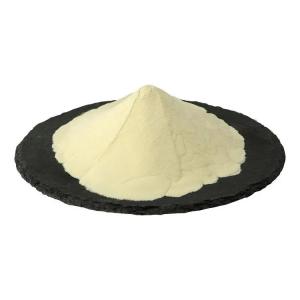
Drying is an important step in the production of powdered phosphatidyl serine products.
Spray drying, vacuum drying, and other controlled drying approaches can be evaluated according to formulation characteristics and production requirements.
The selection of drying technology should consider temperature sensitivity, particle characteristics, energy consumption, and final product requirements.
Particle Engineering
Particle characteristics can influence the handling and downstream processing of phosphatidyl serine powders.
Manufacturers can investigate particle size distribution, morphology, bulk density, and flow behavior to improve filling, blending, packaging, and dispersion performance.
Particle engineering is therefore becoming increasingly connected with formulation and processing development.
Automation and Process Monitoring
Automation is helping improve the consistency of phosphatidyl serine manufacturing.
Sensors and process-monitoring systems can track variables such as temperature, pressure, moisture, flow, and processing time. Real-time monitoring allows production teams to identify deviations earlier and improve process reproducibility.
Continuous Process Development
Continuous processing is another potential direction for phosphatidyl serine manufacturing.
Compared with conventional batch production, continuous approaches may provide more consistent process conditions and facilitate real-time monitoring.
However, continuous processing requires careful integration of raw material feeding, separation, purification, drying, and quality control systems.
Scale-Up from Laboratory to Production
Successful laboratory processing does not automatically guarantee stable large-scale production.
During scale-up, factors such as mixing efficiency, heat transfer, residence time, material transfer, equipment configuration, and process control can change significantly.
Pilot-scale testing can help identify these differences before commercial production.
Reducing Material Loss
Improved processing technology also focuses on reducing material losses throughout the production chain.
Optimized separation, recovery of intermediate fractions, efficient transfer systems, and improved equipment design can help reduce unnecessary losses and increase overall process utilization.
Improving Energy Efficiency
Energy consumption is an increasingly important consideration in phosphatidyl serine processing.
Manufacturers can evaluate heat recovery, optimized drying conditions, efficient separation technologies, and improved equipment insulation to reduce unnecessary energy use.
Energy-efficient processing can also support more sustainable manufacturing practices.
Quality Control Integration
Modern phosphatidyl serine processing increasingly integrates quality control into multiple stages of production rather than relying only on final-product testing.
Raw materials, intermediates, concentrated fractions, dried materials, and finished products can each be monitored using appropriate analytical methods.
This approach helps identify process deviations earlier and supports more consistent manufacturing.
Analytical Technology Development
Advanced analytical methods provide important support for process optimization.
Chromatographic analysis, moisture determination, impurity profiling, physical-property testing, and other analytical approaches can be used to evaluate changes occurring throughout production.
Analytical data can then be connected with process parameters to improve process understanding.
Improving Batch Consistency
Batch-to-batch consistency is a major objective of modern phosphatidyl serine manufacturing.
Standardized operating procedures, controlled raw material specifications, automated monitoring, equipment maintenance, and statistical process analysis can all contribute to improved reproducibility.
Sustainable Processing
Sustainable processing is becoming an increasingly important direction for phosphatidyl serine production.
Manufacturers can investigate lower-solvent processes, reduced energy consumption, improved material recovery, optimized water use, and more efficient production equipment.
The combination of process efficiency and resource management can support long-term manufacturing development.
Future Processing Technology Trends
Future phosphatidyl serine processing technology is likely to move toward greater automation, improved process integration, continuous monitoring, and more precise control of material characteristics.
Digital process management, advanced separation technologies, optimized drying systems, and data-driven manufacturing may further improve production flexibility and consistency.
Conclusion
Phosphatidyl serine processing technology is progressing toward more integrated, controlled, and resource-efficient manufacturing systems.
Improvements in pretreatment, extraction, separation, purification, drying, particle engineering, automation, and quality control can help manufacturers establish more stable production processes. As demand for consistent phosphatidyl serine ingredients continues to develop, process optimization and advanced manufacturing technologies will remain important areas of industry innovation.
Modern processing increasingly integrates raw material preparation, extraction or conversion, separation, purification, concentration, drying, and quality control into a coordinated production system.
Raw Material Pretreatment
Raw material pretreatment is an important starting point for phosphatidyl serine processing.
Depending on the production route, pretreatment may involve material cleaning, particle-size adjustment, moisture control, and removal of undesirable components. Consistent pretreatment helps create more stable conditions for subsequent processing stages.
Improving Extraction Efficiency
Extraction technology directly influences the recovery of target phospholipid components.
Process developers can optimize solvent selection, solid-to-liquid ratios, temperature, mixing conditions, and extraction time according to the characteristics of the raw materials.
The objective is to improve component recovery while limiting unnecessary degradation and reducing process complexity.
Separation Technology Development
After extraction or conversion, separation processes are used to remove unwanted components and enrich the desired phosphatidyl serine fraction.
Filtration, centrifugation, membrane separation, adsorption, and other separation technologies may be evaluated according to the production route.
Combining different separation methods can provide greater process flexibility.
Purification Process Optimization
Purification is one of the key stages affecting the quality of phosphatidyl serine products.
Process optimization can focus on removing residual impurities, undesired phospholipid fractions, reaction-related components, and other substances while maintaining the integrity of the target product.
Careful control of purification conditions is important for maintaining batch-to-batch consistency.
Process Temperature Control
Temperature management has an important influence on phospholipid processing.
Excessive temperatures may increase the risk of unwanted reactions or degradation, while insufficient temperature control may reduce separation or processing efficiency.
Modern production systems therefore place greater emphasis on precise temperature monitoring and automated process adjustment.
Moisture Control During Processing
Moisture management is particularly important during concentration and drying.
Uncontrolled moisture can affect product stability, powder properties, storage behavior, and packaging performance. Improved drying technologies can help manufacturers achieve more consistent moisture levels while reducing unnecessary thermal exposure.
Drying Technology Improvements
Drying is an important step in the production of powdered phosphatidyl serine products.
Spray drying, vacuum drying, and other controlled drying approaches can be evaluated according to formulation characteristics and production requirements.
The selection of drying technology should consider temperature sensitivity, particle characteristics, energy consumption, and final product requirements.
Particle Engineering
Particle characteristics can influence the handling and downstream processing of phosphatidyl serine powders.
Manufacturers can investigate particle size distribution, morphology, bulk density, and flow behavior to improve filling, blending, packaging, and dispersion performance.
Particle engineering is therefore becoming increasingly connected with formulation and processing development.
Automation and Process Monitoring
Automation is helping improve the consistency of phosphatidyl serine manufacturing.
Sensors and process-monitoring systems can track variables such as temperature, pressure, moisture, flow, and processing time. Real-time monitoring allows production teams to identify deviations earlier and improve process reproducibility.
Continuous Process Development
Continuous processing is another potential direction for phosphatidyl serine manufacturing.
Compared with conventional batch production, continuous approaches may provide more consistent process conditions and facilitate real-time monitoring.
However, continuous processing requires careful integration of raw material feeding, separation, purification, drying, and quality control systems.
Scale-Up from Laboratory to Production
Successful laboratory processing does not automatically guarantee stable large-scale production.
During scale-up, factors such as mixing efficiency, heat transfer, residence time, material transfer, equipment configuration, and process control can change significantly.
Pilot-scale testing can help identify these differences before commercial production.
Reducing Material Loss
Improved processing technology also focuses on reducing material losses throughout the production chain.
Optimized separation, recovery of intermediate fractions, efficient transfer systems, and improved equipment design can help reduce unnecessary losses and increase overall process utilization.
Improving Energy Efficiency
Energy consumption is an increasingly important consideration in phosphatidyl serine processing.
Manufacturers can evaluate heat recovery, optimized drying conditions, efficient separation technologies, and improved equipment insulation to reduce unnecessary energy use.
Energy-efficient processing can also support more sustainable manufacturing practices.
Quality Control Integration
Modern phosphatidyl serine processing increasingly integrates quality control into multiple stages of production rather than relying only on final-product testing.
Raw materials, intermediates, concentrated fractions, dried materials, and finished products can each be monitored using appropriate analytical methods.
This approach helps identify process deviations earlier and supports more consistent manufacturing.
Analytical Technology Development
Advanced analytical methods provide important support for process optimization.
Chromatographic analysis, moisture determination, impurity profiling, physical-property testing, and other analytical approaches can be used to evaluate changes occurring throughout production.
Analytical data can then be connected with process parameters to improve process understanding.
Improving Batch Consistency
Batch-to-batch consistency is a major objective of modern phosphatidyl serine manufacturing.
Standardized operating procedures, controlled raw material specifications, automated monitoring, equipment maintenance, and statistical process analysis can all contribute to improved reproducibility.
Sustainable Processing
Sustainable processing is becoming an increasingly important direction for phosphatidyl serine production.
Manufacturers can investigate lower-solvent processes, reduced energy consumption, improved material recovery, optimized water use, and more efficient production equipment.
The combination of process efficiency and resource management can support long-term manufacturing development.
Future Processing Technology Trends
Future phosphatidyl serine processing technology is likely to move toward greater automation, improved process integration, continuous monitoring, and more precise control of material characteristics.
Digital process management, advanced separation technologies, optimized drying systems, and data-driven manufacturing may further improve production flexibility and consistency.
Conclusion
Phosphatidyl serine processing technology is progressing toward more integrated, controlled, and resource-efficient manufacturing systems.
Improvements in pretreatment, extraction, separation, purification, drying, particle engineering, automation, and quality control can help manufacturers establish more stable production processes. As demand for consistent phosphatidyl serine ingredients continues to develop, process optimization and advanced manufacturing technologies will remain important areas of industry innovation.
Previous:Phosphatidyl serine formulation innovation grows
Next:None