
 CN



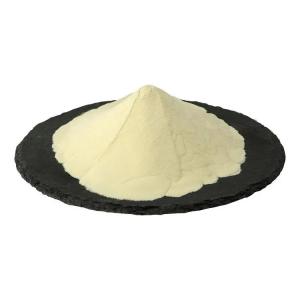


Phosphatidyl serine ingredient innovation rises
Time:2026-11-09
Phosphatidyl serine is an important phospholipid ingredient that has attracted increasing attention in the food, nutritional ingredient, and specialty formulation industries. As ingredient technology continues to advance, manufacturers are placing greater emphasis on product purity, raw material selection, production efficiency, and formulation adaptability. These developments are creating new opportunities for phosphatidyl serine ingredient innovation and expanding its potential applications across different industries.
Advances in Raw Material Selection
Raw material quality is a fundamental factor in phosphatidyl serine production. Manufacturers are exploring different phospholipid sources and refining raw material selection processes to improve product consistency. More careful control of raw material composition can help reduce variations between production batches and provide a more reliable foundation for subsequent processing.
In addition, improvements in raw material pretreatment and purification technologies are supporting the development of phosphatidyl serine products with different specifications. This allows suppliers to respond more effectively to the requirements of various downstream industries.
Innovation in Production Technology
Production technology is playing an increasingly important role in ingredient innovation. Modern manufacturing processes focus on optimizing extraction, enzymatic conversion, separation, and purification procedures. Through improved process coordination, manufacturers can work toward higher production efficiency and more consistent product characteristics.
Process optimization also involves controlling temperature, reaction conditions, processing time, and material handling. These factors influence production stability and the overall quality of the finished ingredient. The introduction of automated equipment and digital monitoring systems is further supporting standardized manufacturing operations.
Improvements in Product Specifications
As market requirements become more diversified, phosphatidyl serine suppliers are developing products with different purity levels, physical properties, and application characteristics. Specification management has therefore become an important part of product innovation.
Detailed control of phosphatidyl serine content, moisture, appearance, solubility, and impurity profiles helps manufacturers establish clearer product standards. Consistent testing procedures and batch documentation also make it easier for customers to evaluate ingredient quality and select suitable materials for their production requirements.
Formulation Compatibility and Application Development
Ingredient innovation is not limited to manufacturing improvements. Compatibility with different formulation systems is another important direction for phosphatidyl serine development.
In powder formulations, particle size, moisture content, dispersibility, and storage stability are important considerations. For compound ingredient systems, manufacturers need to evaluate interactions with other raw materials and processing conditions. Appropriate formulation adjustments can improve processing convenience and help maintain consistent product characteristics.
As formulation technology develops, phosphatidyl serine is being considered for a wider range of ingredient combinations and specialized product designs.
Quality Management and Product Stability
Reliable quality management is essential for the commercial development of phosphatidyl serine. Manufacturers are strengthening quality control throughout the production chain, including raw material inspection, process monitoring, finished product testing, and packaging management.
Because phospholipid ingredients can be sensitive to environmental conditions, moisture, oxygen, light, and temperature should be considered during storage and transportation. Improved packaging materials and controlled storage environments can help maintain product stability and reduce quality variations during distribution.
Future Development Trends
The future development of phosphatidyl serine will likely focus on several interconnected areas, including advanced manufacturing processes, refined purification technologies, improved product specifications, and more flexible formulation solutions.
At the same time, increasing attention to sustainable production and resource utilization is encouraging manufacturers to explore more efficient processing methods. Greater integration of automation, analytical testing, and quality management systems may also contribute to more standardized production.
Conclusion
Phosphatidyl serine ingredient innovation is gaining momentum as manufacturers respond to changing market requirements and increasingly specialized application needs. Improvements in raw material selection, production technology, quality control, and formulation compatibility are creating new possibilities for product development. With continued investment in manufacturing optimization and specification management, phosphatidyl serine is expected to maintain an important position in the expanding specialty phospholipid ingredient market.