
 CN
News list
News Center





News
Phosphatidyl serine production innovation continues
Time:2026-11-12
Innovation in phosphatidyl serine production continues as manufacturers seek more efficient processing methods, improved product consistency, and greater control over raw material utilization. As a specialized phospholipid ingredient, phosphatidyl serine requires careful management throughout extraction, conversion, purification, and finishing operations.
Ongoing technological development is helping producers refine manufacturing procedures and respond to increasingly detailed customer requirements. From raw material preparation to final packaging, each production stage offers opportunities for process improvement.
Raw Material Processing Optimization
Raw material quality is one of the foundations of phosphatidyl serine production. Different sources of phospholipids can have varying compositions and impurity profiles, which may influence subsequent processing operations.
Manufacturers are therefore improving raw material screening, pretreatment, and batch management procedures. More systematic inspection helps identify variations before materials enter the main production process.
Optimized pretreatment can also improve the suitability of raw materials for extraction and conversion, providing a more stable starting point for downstream manufacturing.
Innovation in Extraction Technology
Extraction technology plays an important role in phosphatidyl serine production. The selection of solvents, operating conditions, and separation equipment can influence extraction efficiency and the composition of intermediate materials.
Current process development focuses on improving extraction selectivity while reducing material losses. Equipment improvements and more precise control of operating parameters can help manufacturers achieve consistent intermediate quality.
In addition, process monitoring allows production teams to identify deviations earlier and make timely adjustments.
Development of Enzymatic Conversion Processes
Enzymatic conversion is an important area of phosphatidyl serine manufacturing research. By selecting suitable enzymes and controlling reaction conditions, producers can investigate more targeted conversion pathways.
Key development factors include enzyme activity, substrate composition, reaction temperature, pH, and processing time. These parameters need to be evaluated together because changes in one condition may influence the overall conversion process.
Further optimization of enzymatic methods may contribute to improved process control and more efficient use of raw materials.
Purification and Separation Improvements
Purification is essential for obtaining phosphatidyl serine products that meet defined quality requirements. Intermediate materials may contain other phospholipids, residual processing components, and various impurities.
Manufacturers are exploring improved separation techniques and optimized purification sequences to enhance product composition. Process integration can also help reduce repeated operations and unnecessary material transfers.
The objective is to achieve an appropriate balance between product purity, recovery rate, processing time, and production cost.
Process Automation and Digital Monitoring
Automation is becoming increasingly relevant to modern phosphatidyl serine production. Automated equipment can help regulate temperature, pressure, flow, mixing, and other operating parameters.
Digital monitoring systems provide production teams with more consistent process records. By collecting and reviewing operating data, manufacturers can identify recurring variations and improve process reproducibility.
The combination of automation and process data analysis may also support more effective equipment maintenance and production planning.
Quality Testing and Analytical Development
Reliable analytical testing is necessary throughout phosphatidyl serine manufacturing. Testing procedures may cover ingredient identification, phosphatidyl serine content, moisture, residual solvents, oxidation-related indicators, and impurity profiles.
Chromatographic methods and other analytical techniques can be used to evaluate product composition. Improved testing procedures help manufacturers compare production batches and investigate deviations.
Quality data can also provide feedback for process optimization, connecting laboratory analysis with manufacturing decisions.
Drying and Finished Product Processing
After purification, phosphatidyl serine may undergo concentration, drying, blending, and other finishing operations according to the intended product format.
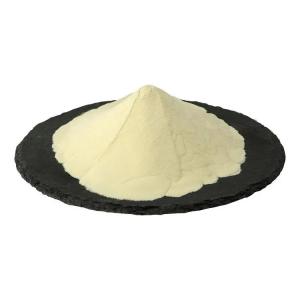
Drying conditions require careful adjustment to manage temperature exposure and moisture content. For powder products, particle characteristics, dispersibility, and packaging compatibility may also be considered.
Innovations in drying equipment and material handling can help improve production efficiency while maintaining the required product specifications.
Sustainable Manufacturing Practices
Production innovation increasingly includes resource efficiency and environmental considerations. Manufacturers are evaluating ways to reduce solvent consumption, improve recovery of useful materials, and lower energy requirements.
Better production scheduling and equipment utilization can help reduce idle time and unnecessary resource consumption. Waste management and solvent recovery systems may also contribute to more responsible manufacturing operations.
These improvements can support both operational efficiency and long-term production sustainability.
Future Trends in Phosphatidyl Serine Production
Future innovation is expected to focus on integrated manufacturing systems, more selective conversion technologies, advanced separation processes, and improved quality monitoring.
Greater coordination between research and production teams may shorten the process of evaluating new technologies and applying them at industrial scale. Meanwhile, more standardized analytical procedures can help establish consistent product specifications across different production facilities.
As customer requirements continue to evolve, flexible manufacturing systems will become increasingly important.
Conclusion
Phosphatidyl serine production innovation continues through improvements in raw material preparation, extraction, enzymatic conversion, purification, automation, and quality testing. These developments are helping manufacturers improve process control, production efficiency, and batch consistency. Continued investment in manufacturing research and sustainable technologies will provide important support for the future development of the phosphatidyl serine industry.
Ongoing technological development is helping producers refine manufacturing procedures and respond to increasingly detailed customer requirements. From raw material preparation to final packaging, each production stage offers opportunities for process improvement.
Raw Material Processing Optimization
Raw material quality is one of the foundations of phosphatidyl serine production. Different sources of phospholipids can have varying compositions and impurity profiles, which may influence subsequent processing operations.
Manufacturers are therefore improving raw material screening, pretreatment, and batch management procedures. More systematic inspection helps identify variations before materials enter the main production process.
Optimized pretreatment can also improve the suitability of raw materials for extraction and conversion, providing a more stable starting point for downstream manufacturing.
Innovation in Extraction Technology
Extraction technology plays an important role in phosphatidyl serine production. The selection of solvents, operating conditions, and separation equipment can influence extraction efficiency and the composition of intermediate materials.
Current process development focuses on improving extraction selectivity while reducing material losses. Equipment improvements and more precise control of operating parameters can help manufacturers achieve consistent intermediate quality.
In addition, process monitoring allows production teams to identify deviations earlier and make timely adjustments.
Development of Enzymatic Conversion Processes
Enzymatic conversion is an important area of phosphatidyl serine manufacturing research. By selecting suitable enzymes and controlling reaction conditions, producers can investigate more targeted conversion pathways.
Key development factors include enzyme activity, substrate composition, reaction temperature, pH, and processing time. These parameters need to be evaluated together because changes in one condition may influence the overall conversion process.
Further optimization of enzymatic methods may contribute to improved process control and more efficient use of raw materials.
Purification and Separation Improvements
Purification is essential for obtaining phosphatidyl serine products that meet defined quality requirements. Intermediate materials may contain other phospholipids, residual processing components, and various impurities.
Manufacturers are exploring improved separation techniques and optimized purification sequences to enhance product composition. Process integration can also help reduce repeated operations and unnecessary material transfers.
The objective is to achieve an appropriate balance between product purity, recovery rate, processing time, and production cost.
Process Automation and Digital Monitoring
Automation is becoming increasingly relevant to modern phosphatidyl serine production. Automated equipment can help regulate temperature, pressure, flow, mixing, and other operating parameters.
Digital monitoring systems provide production teams with more consistent process records. By collecting and reviewing operating data, manufacturers can identify recurring variations and improve process reproducibility.
The combination of automation and process data analysis may also support more effective equipment maintenance and production planning.
Quality Testing and Analytical Development
Reliable analytical testing is necessary throughout phosphatidyl serine manufacturing. Testing procedures may cover ingredient identification, phosphatidyl serine content, moisture, residual solvents, oxidation-related indicators, and impurity profiles.
Chromatographic methods and other analytical techniques can be used to evaluate product composition. Improved testing procedures help manufacturers compare production batches and investigate deviations.
Quality data can also provide feedback for process optimization, connecting laboratory analysis with manufacturing decisions.
Drying and Finished Product Processing
After purification, phosphatidyl serine may undergo concentration, drying, blending, and other finishing operations according to the intended product format.
Drying conditions require careful adjustment to manage temperature exposure and moisture content. For powder products, particle characteristics, dispersibility, and packaging compatibility may also be considered.
Innovations in drying equipment and material handling can help improve production efficiency while maintaining the required product specifications.
Sustainable Manufacturing Practices
Production innovation increasingly includes resource efficiency and environmental considerations. Manufacturers are evaluating ways to reduce solvent consumption, improve recovery of useful materials, and lower energy requirements.
Better production scheduling and equipment utilization can help reduce idle time and unnecessary resource consumption. Waste management and solvent recovery systems may also contribute to more responsible manufacturing operations.
These improvements can support both operational efficiency and long-term production sustainability.
Future Trends in Phosphatidyl Serine Production
Future innovation is expected to focus on integrated manufacturing systems, more selective conversion technologies, advanced separation processes, and improved quality monitoring.
Greater coordination between research and production teams may shorten the process of evaluating new technologies and applying them at industrial scale. Meanwhile, more standardized analytical procedures can help establish consistent product specifications across different production facilities.
As customer requirements continue to evolve, flexible manufacturing systems will become increasingly important.
Conclusion
Phosphatidyl serine production innovation continues through improvements in raw material preparation, extraction, enzymatic conversion, purification, automation, and quality testing. These developments are helping manufacturers improve process control, production efficiency, and batch consistency. Continued investment in manufacturing research and sustainable technologies will provide important support for the future development of the phosphatidyl serine industry.