
 CN
News list
News Center





News
Phosphatidyl serine production methods innovate
Time:2026-11-06
Phosphatidyl serine is a phospholipid ingredient used in nutritional formulations, food-related applications, and specialized ingredient manufacturing. As the phospholipid industry continues to evolve, innovation in production methods has become an important direction for improving manufacturing efficiency, product consistency, and resource utilization.
Traditional production approaches are being refined through advances in raw material processing, enzymatic conversion, separation technologies, and process monitoring. These developments allow manufacturers to explore more flexible production strategies while maintaining appropriate quality standards. Innovation also creates opportunities to adapt manufacturing systems to different raw material sources and product specifications.
Development of Advanced Raw Material Processing
Raw material preparation is a fundamental stage in phosphatidyl serine production. Differences in raw material composition, moisture content, and phospholipid distribution can influence processing efficiency and final product characteristics.
Innovative pretreatment methods focus on improving material uniformity and making target components more accessible during subsequent processing. Depending on the manufacturing route, mechanical treatment, controlled heating, and optimized extraction conditions may help improve processing performance.
Manufacturers are also exploring more systematic raw material evaluation procedures. By establishing consistent incoming material specifications and monitoring variations between batches, production facilities can select more suitable operating conditions and reduce unnecessary adjustments during manufacturing.
Innovation in Enzymatic Conversion
Enzymatic conversion is an important approach in phosphatidyl serine production. Under suitable conditions, enzymes can facilitate the conversion of selected phospholipid substrates into the desired product.
Research and process development increasingly focus on enzyme selection, reaction system design, and operating parameter optimization. Temperature, pH, substrate concentration, reaction duration, and enzyme loading must be evaluated together because changes in one parameter may influence overall conversion performance.
Further innovation may involve enzyme immobilization, improved enzyme reuse strategies, and more precise reaction monitoring. These approaches can potentially simplify downstream separation and improve process control, although their practical value depends on enzyme stability, production scale, and overall operating costs.
Advances in Extraction and Separation Technologies
Extraction and separation technologies are central to the recovery and purification of phosphatidyl serine. Conventional operations can be improved through more selective extraction conditions, optimized solvent systems, and better control of phase separation.
Membrane separation may provide opportunities to separate selected components under appropriate conditions, while chromatography can support purification when more precise component separation is required. The choice of technology depends on the target purity, composition of the feed material, and technical requirements of the manufacturing process.
Another important direction is the integration of multiple separation operations into a more efficient processing sequence. Reducing unnecessary transfers and repeated purification steps may help limit material losses and improve production throughput.
Continuous Processing and Intelligent Manufacturing
Process automation is creating new opportunities for innovation in phosphatidyl serine production. Conventional batch manufacturing offers flexibility, but it may also involve variations between production cycles and repeated equipment preparation.
Continuous or semi-continuous processing can be evaluated for suitable operations, particularly where feed composition and operating conditions can be maintained within controlled ranges. Potential advantages include more consistent operating conditions, improved equipment utilization, and easier integration of online monitoring.
Intelligent manufacturing systems can collect data on temperature, pH, flow rate, pressure, and reaction progress. By analyzing these measurements, manufacturers can identify deviations earlier and refine operating parameters. Implementation requires appropriate process validation and consideration of the properties of phospholipid-containing materials.
Improvements in Drying and Product Formulation
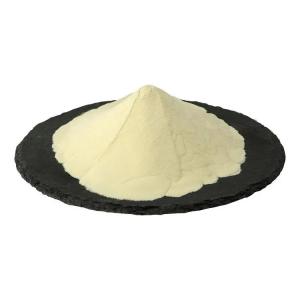
Drying is an important stage when phosphatidyl serine is manufactured as a powder or incorporated into a powder-based ingredient system. The selected drying method can influence moisture content, handling characteristics, storage stability, and production efficiency.
Vacuum drying, spray drying, and other suitable techniques may be considered according to the product composition and formulation requirements. However, phospholipids can be sensitive to heat, oxygen, and other environmental factors, making process conditions important during drying and subsequent handling.
Innovative drying strategies focus on balancing moisture removal, processing time, energy consumption, and product quality. Appropriate packaging and storage conditions are also necessary to help maintain product characteristics after manufacturing.
Sustainable Production and Resource Optimization
Sustainability is becoming an important consideration in phosphatidyl serine production. Manufacturers are evaluating ways to reduce solvent consumption, recover reusable process materials, improve energy efficiency, and minimize production waste.
Solvent recovery systems can be useful where compatible with the selected manufacturing process. Equipment optimization and improved process scheduling may also reduce energy consumption and unnecessary production downtime.
These improvements should be assessed using both technical and economic criteria. A production method that reduces resource consumption while maintaining product quality and operational reliability may offer long-term advantages for manufacturers.
Quality Assurance in Innovative Production Systems
New production methods must be supported by reliable quality assurance procedures. Changes in raw materials, reaction systems, separation equipment, or drying technology can affect the composition and characteristics of the final product.
Quality management may include testing phosphatidyl serine content, moisture, relevant impurities, residual solvents where applicable, and other parameters defined by product specifications. Analytical methods should be appropriate for the sample matrix and validated for their intended use.
Process validation, equipment qualification, and batch traceability help demonstrate that an innovative manufacturing method can consistently produce material meeting established requirements. Pilot-scale studies are particularly useful for identifying challenges before introducing a new process into full-scale production.
Future Prospects for Production Method Innovation
Future innovation in phosphatidyl serine manufacturing is likely to focus on integrating enzymatic technologies, efficient purification systems, advanced process analytics, and resource-conscious production design.
Manufacturers may increasingly evaluate hybrid processing systems that combine the advantages of different technologies. For example, optimized enzymatic conversion followed by selective separation and carefully controlled drying could provide a more coordinated production route when suitable for the selected raw materials.
The success of these innovations will depend on reproducibility, scalability, regulatory compliance, and total production costs. Careful testing and process optimization will remain essential for translating promising laboratory developments into commercially practical manufacturing methods.
Conclusion
Innovation in phosphatidyl serine production methods is reshaping how manufacturers approach raw material preparation, enzymatic conversion, extraction, purification, drying, and quality management. Advanced processing technologies and intelligent monitoring systems offer opportunities to improve production consistency and resource utilization.
By combining technical innovation with process validation and comprehensive quality control, manufacturers can develop production systems that respond more effectively to evolving product specifications and industrial requirements. Continued improvement in manufacturing methods will remain an important factor in the development of the phosphatidyl serine ingredient industry.
Traditional production approaches are being refined through advances in raw material processing, enzymatic conversion, separation technologies, and process monitoring. These developments allow manufacturers to explore more flexible production strategies while maintaining appropriate quality standards. Innovation also creates opportunities to adapt manufacturing systems to different raw material sources and product specifications.
Development of Advanced Raw Material Processing
Raw material preparation is a fundamental stage in phosphatidyl serine production. Differences in raw material composition, moisture content, and phospholipid distribution can influence processing efficiency and final product characteristics.
Innovative pretreatment methods focus on improving material uniformity and making target components more accessible during subsequent processing. Depending on the manufacturing route, mechanical treatment, controlled heating, and optimized extraction conditions may help improve processing performance.
Manufacturers are also exploring more systematic raw material evaluation procedures. By establishing consistent incoming material specifications and monitoring variations between batches, production facilities can select more suitable operating conditions and reduce unnecessary adjustments during manufacturing.
Innovation in Enzymatic Conversion
Enzymatic conversion is an important approach in phosphatidyl serine production. Under suitable conditions, enzymes can facilitate the conversion of selected phospholipid substrates into the desired product.
Research and process development increasingly focus on enzyme selection, reaction system design, and operating parameter optimization. Temperature, pH, substrate concentration, reaction duration, and enzyme loading must be evaluated together because changes in one parameter may influence overall conversion performance.
Further innovation may involve enzyme immobilization, improved enzyme reuse strategies, and more precise reaction monitoring. These approaches can potentially simplify downstream separation and improve process control, although their practical value depends on enzyme stability, production scale, and overall operating costs.
Advances in Extraction and Separation Technologies
Extraction and separation technologies are central to the recovery and purification of phosphatidyl serine. Conventional operations can be improved through more selective extraction conditions, optimized solvent systems, and better control of phase separation.
Membrane separation may provide opportunities to separate selected components under appropriate conditions, while chromatography can support purification when more precise component separation is required. The choice of technology depends on the target purity, composition of the feed material, and technical requirements of the manufacturing process.
Another important direction is the integration of multiple separation operations into a more efficient processing sequence. Reducing unnecessary transfers and repeated purification steps may help limit material losses and improve production throughput.
Continuous Processing and Intelligent Manufacturing
Process automation is creating new opportunities for innovation in phosphatidyl serine production. Conventional batch manufacturing offers flexibility, but it may also involve variations between production cycles and repeated equipment preparation.
Continuous or semi-continuous processing can be evaluated for suitable operations, particularly where feed composition and operating conditions can be maintained within controlled ranges. Potential advantages include more consistent operating conditions, improved equipment utilization, and easier integration of online monitoring.
Intelligent manufacturing systems can collect data on temperature, pH, flow rate, pressure, and reaction progress. By analyzing these measurements, manufacturers can identify deviations earlier and refine operating parameters. Implementation requires appropriate process validation and consideration of the properties of phospholipid-containing materials.
Improvements in Drying and Product Formulation
Drying is an important stage when phosphatidyl serine is manufactured as a powder or incorporated into a powder-based ingredient system. The selected drying method can influence moisture content, handling characteristics, storage stability, and production efficiency.
Vacuum drying, spray drying, and other suitable techniques may be considered according to the product composition and formulation requirements. However, phospholipids can be sensitive to heat, oxygen, and other environmental factors, making process conditions important during drying and subsequent handling.
Innovative drying strategies focus on balancing moisture removal, processing time, energy consumption, and product quality. Appropriate packaging and storage conditions are also necessary to help maintain product characteristics after manufacturing.
Sustainable Production and Resource Optimization
Sustainability is becoming an important consideration in phosphatidyl serine production. Manufacturers are evaluating ways to reduce solvent consumption, recover reusable process materials, improve energy efficiency, and minimize production waste.
Solvent recovery systems can be useful where compatible with the selected manufacturing process. Equipment optimization and improved process scheduling may also reduce energy consumption and unnecessary production downtime.
These improvements should be assessed using both technical and economic criteria. A production method that reduces resource consumption while maintaining product quality and operational reliability may offer long-term advantages for manufacturers.
Quality Assurance in Innovative Production Systems
New production methods must be supported by reliable quality assurance procedures. Changes in raw materials, reaction systems, separation equipment, or drying technology can affect the composition and characteristics of the final product.
Quality management may include testing phosphatidyl serine content, moisture, relevant impurities, residual solvents where applicable, and other parameters defined by product specifications. Analytical methods should be appropriate for the sample matrix and validated for their intended use.
Process validation, equipment qualification, and batch traceability help demonstrate that an innovative manufacturing method can consistently produce material meeting established requirements. Pilot-scale studies are particularly useful for identifying challenges before introducing a new process into full-scale production.
Future Prospects for Production Method Innovation
Future innovation in phosphatidyl serine manufacturing is likely to focus on integrating enzymatic technologies, efficient purification systems, advanced process analytics, and resource-conscious production design.
Manufacturers may increasingly evaluate hybrid processing systems that combine the advantages of different technologies. For example, optimized enzymatic conversion followed by selective separation and carefully controlled drying could provide a more coordinated production route when suitable for the selected raw materials.
The success of these innovations will depend on reproducibility, scalability, regulatory compliance, and total production costs. Careful testing and process optimization will remain essential for translating promising laboratory developments into commercially practical manufacturing methods.
Conclusion
Innovation in phosphatidyl serine production methods is reshaping how manufacturers approach raw material preparation, enzymatic conversion, extraction, purification, drying, and quality management. Advanced processing technologies and intelligent monitoring systems offer opportunities to improve production consistency and resource utilization.
By combining technical innovation with process validation and comprehensive quality control, manufacturers can develop production systems that respond more effectively to evolving product specifications and industrial requirements. Continued improvement in manufacturing methods will remain an important factor in the development of the phosphatidyl serine ingredient industry.