
 CN
News list
News Center





News
Phosphatidyl serine quality management strengthens
Time:2026-11-06
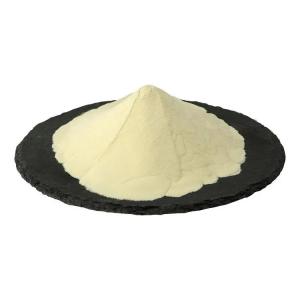
Phosphatidyl serine is a phospholipid ingredient used in nutritional formulations, food-related products, and specialized ingredient applications. As manufacturing requirements become more demanding, quality management is receiving increased attention throughout the phosphatidyl serine supply chain. Manufacturers are strengthening quality systems to improve batch consistency, maintain product specifications, and establish greater control over production processes.
Effective quality management extends beyond final product inspection. It encompasses raw material evaluation, process monitoring, equipment maintenance, laboratory testing, packaging, storage, and documentation. Integrating these activities into a coordinated quality system helps manufacturers identify potential deviations earlier and maintain reliable production standards.
Raw Material Quality Control
Raw material quality is the foundation of phosphatidyl serine manufacturing. Variations in source materials, composition, moisture content, and impurity levels may affect production efficiency and the characteristics of the final product.
Manufacturers can strengthen incoming material management by establishing clear acceptance criteria, supplier evaluation procedures, and standardized sampling methods. Inspection records should be maintained to support traceability and enable comparisons between different material batches.
Supplier qualification is also an important part of quality management. Regular performance reviews, documentation checks, and appropriate verification testing help manufacturers evaluate the consistency of supplied materials. These measures provide a more reliable basis for selecting raw materials and planning production activities.
Standardization of Manufacturing Processes
Standardized manufacturing procedures help reduce unnecessary variation between production batches. In phosphatidyl serine production, critical parameters may include reaction temperature, pH, processing duration, mixing conditions, and separation efficiency, depending on the selected manufacturing route.
Manufacturers can establish defined operating ranges and monitoring requirements for each important processing stage. Standard operating procedures provide clear instructions for equipment operation, material transfer, sampling, cleaning, and handling of process deviations.
Process standardization also improves communication between production and quality teams. When operating procedures are consistently implemented, manufacturers can more effectively identify the causes of unexpected results and introduce appropriate corrective measures.
Strengthening Laboratory Testing and Analysis
Laboratory testing provides essential evidence for determining whether phosphatidyl serine meets established product specifications. A comprehensive testing program should address relevant identity, composition, purity, and physical characteristics.
Depending on the product and intended application, quality parameters may include phosphatidyl serine content, moisture level, impurity profile, residual solvents where applicable, and other specified characteristics. Suitable analytical techniques should be selected according to the sample matrix and testing objective.
Method validation, instrument calibration, reference material management, and analyst training are important elements of a reliable laboratory system. Consistent testing procedures help reduce analytical variability and improve confidence in quality assessment.
In-Process Monitoring and Deviation Management
Final product testing alone may not reveal every source of manufacturing variation. In-process monitoring allows manufacturers to assess production conditions before deviations affect the finished material.
Monitoring systems can track relevant parameters during extraction, enzymatic conversion, purification, concentration, and drying. Defined alert limits help operators identify abnormal conditions and respond according to approved procedures.
When deviations occur, manufacturers should document the event, investigate its underlying cause, and determine whether the affected batch requires additional testing or other disposition measures. Corrective and preventive actions can then be implemented to reduce the likelihood of recurrence.
This systematic approach supports continuous improvement while strengthening process reliability.
Equipment Maintenance and Hygiene Management
Production equipment can influence both manufacturing consistency and product quality. Mixing vessels, filtration systems, reaction equipment, drying units, and analytical instruments should be maintained according to established procedures.
Preventive maintenance helps reduce unexpected equipment failures and production interruptions. Calibration and performance verification are necessary for instruments used to measure critical process parameters or determine product quality.
Cleaning procedures are equally important. Appropriate cleaning methods and verification practices help control cross-contamination and unwanted material carryover between production batches. Equipment maintenance and hygiene management should therefore be integrated into the broader quality assurance system.
Packaging, Storage, and Traceability
Quality management continues after manufacturing is completed. Packaging materials and storage conditions can influence the stability of phosphatidyl serine, particularly when the material is sensitive to moisture, oxygen, light, or elevated temperatures.
Manufacturers should select packaging systems suitable for the product's characteristics and intended storage conditions. Moisture barriers, effective sealing, and appropriate environmental controls can help preserve product quality during transportation and storage.
Batch identification and traceability systems provide records of raw material sources, manufacturing parameters, laboratory results, packaging operations, and distribution activities. These records facilitate investigations, support inventory management, and improve the efficiency of quality-related communication throughout the supply chain.
Digital Quality Management and Data Integration
Digital technologies are creating new opportunities to strengthen phosphatidyl serine quality management. Electronic batch records, laboratory information systems, and automated process monitoring can improve data consistency and reduce errors associated with manual documentation.
Integrating production and laboratory information enables quality teams to compare analytical results with manufacturing conditions. This can help identify recurring deviations, evaluate process trends, and determine where additional controls may be necessary.
Reliable implementation requires appropriate access controls, data integrity measures, record retention, and system validation where applicable. Digitalization is most effective when supported by clearly defined responsibilities and established quality procedures.
Future Development of Quality Management Systems
Future quality management improvements are likely to emphasize risk-based controls, improved analytical capabilities, supplier collaboration, and more integrated process monitoring. Manufacturers may also use statistical process analysis to identify variation and evaluate the effectiveness of process changes.
As customer requirements and regulatory expectations evolve, quality systems must remain adaptable without compromising established standards. Regular internal audits, employee training, management reviews, and documented improvement plans can help maintain the effectiveness of the overall system.
A coordinated approach allows manufacturers to address quality risks throughout the product lifecycle rather than relying exclusively on finished-product inspection.
Conclusion
Strengthening phosphatidyl serine quality management requires coordinated efforts across raw material sourcing, manufacturing, laboratory analysis, equipment maintenance, packaging, and distribution. Standardized procedures and effective deviation management help improve batch consistency, while digital monitoring and traceability provide additional support for process oversight.
By integrating preventive controls with systematic testing and continuous improvement, manufacturers can establish more reliable quality management systems and respond more effectively to changing product specifications and market requirements.
Effective quality management extends beyond final product inspection. It encompasses raw material evaluation, process monitoring, equipment maintenance, laboratory testing, packaging, storage, and documentation. Integrating these activities into a coordinated quality system helps manufacturers identify potential deviations earlier and maintain reliable production standards.
Raw Material Quality Control
Raw material quality is the foundation of phosphatidyl serine manufacturing. Variations in source materials, composition, moisture content, and impurity levels may affect production efficiency and the characteristics of the final product.
Manufacturers can strengthen incoming material management by establishing clear acceptance criteria, supplier evaluation procedures, and standardized sampling methods. Inspection records should be maintained to support traceability and enable comparisons between different material batches.
Supplier qualification is also an important part of quality management. Regular performance reviews, documentation checks, and appropriate verification testing help manufacturers evaluate the consistency of supplied materials. These measures provide a more reliable basis for selecting raw materials and planning production activities.
Standardization of Manufacturing Processes
Standardized manufacturing procedures help reduce unnecessary variation between production batches. In phosphatidyl serine production, critical parameters may include reaction temperature, pH, processing duration, mixing conditions, and separation efficiency, depending on the selected manufacturing route.
Manufacturers can establish defined operating ranges and monitoring requirements for each important processing stage. Standard operating procedures provide clear instructions for equipment operation, material transfer, sampling, cleaning, and handling of process deviations.
Process standardization also improves communication between production and quality teams. When operating procedures are consistently implemented, manufacturers can more effectively identify the causes of unexpected results and introduce appropriate corrective measures.
Strengthening Laboratory Testing and Analysis
Laboratory testing provides essential evidence for determining whether phosphatidyl serine meets established product specifications. A comprehensive testing program should address relevant identity, composition, purity, and physical characteristics.
Depending on the product and intended application, quality parameters may include phosphatidyl serine content, moisture level, impurity profile, residual solvents where applicable, and other specified characteristics. Suitable analytical techniques should be selected according to the sample matrix and testing objective.
Method validation, instrument calibration, reference material management, and analyst training are important elements of a reliable laboratory system. Consistent testing procedures help reduce analytical variability and improve confidence in quality assessment.
In-Process Monitoring and Deviation Management
Final product testing alone may not reveal every source of manufacturing variation. In-process monitoring allows manufacturers to assess production conditions before deviations affect the finished material.
Monitoring systems can track relevant parameters during extraction, enzymatic conversion, purification, concentration, and drying. Defined alert limits help operators identify abnormal conditions and respond according to approved procedures.
When deviations occur, manufacturers should document the event, investigate its underlying cause, and determine whether the affected batch requires additional testing or other disposition measures. Corrective and preventive actions can then be implemented to reduce the likelihood of recurrence.
This systematic approach supports continuous improvement while strengthening process reliability.
Equipment Maintenance and Hygiene Management
Production equipment can influence both manufacturing consistency and product quality. Mixing vessels, filtration systems, reaction equipment, drying units, and analytical instruments should be maintained according to established procedures.
Preventive maintenance helps reduce unexpected equipment failures and production interruptions. Calibration and performance verification are necessary for instruments used to measure critical process parameters or determine product quality.
Cleaning procedures are equally important. Appropriate cleaning methods and verification practices help control cross-contamination and unwanted material carryover between production batches. Equipment maintenance and hygiene management should therefore be integrated into the broader quality assurance system.
Packaging, Storage, and Traceability
Quality management continues after manufacturing is completed. Packaging materials and storage conditions can influence the stability of phosphatidyl serine, particularly when the material is sensitive to moisture, oxygen, light, or elevated temperatures.
Manufacturers should select packaging systems suitable for the product's characteristics and intended storage conditions. Moisture barriers, effective sealing, and appropriate environmental controls can help preserve product quality during transportation and storage.
Batch identification and traceability systems provide records of raw material sources, manufacturing parameters, laboratory results, packaging operations, and distribution activities. These records facilitate investigations, support inventory management, and improve the efficiency of quality-related communication throughout the supply chain.
Digital Quality Management and Data Integration
Digital technologies are creating new opportunities to strengthen phosphatidyl serine quality management. Electronic batch records, laboratory information systems, and automated process monitoring can improve data consistency and reduce errors associated with manual documentation.
Integrating production and laboratory information enables quality teams to compare analytical results with manufacturing conditions. This can help identify recurring deviations, evaluate process trends, and determine where additional controls may be necessary.
Reliable implementation requires appropriate access controls, data integrity measures, record retention, and system validation where applicable. Digitalization is most effective when supported by clearly defined responsibilities and established quality procedures.
Future Development of Quality Management Systems
Future quality management improvements are likely to emphasize risk-based controls, improved analytical capabilities, supplier collaboration, and more integrated process monitoring. Manufacturers may also use statistical process analysis to identify variation and evaluate the effectiveness of process changes.
As customer requirements and regulatory expectations evolve, quality systems must remain adaptable without compromising established standards. Regular internal audits, employee training, management reviews, and documented improvement plans can help maintain the effectiveness of the overall system.
A coordinated approach allows manufacturers to address quality risks throughout the product lifecycle rather than relying exclusively on finished-product inspection.
Conclusion
Strengthening phosphatidyl serine quality management requires coordinated efforts across raw material sourcing, manufacturing, laboratory analysis, equipment maintenance, packaging, and distribution. Standardized procedures and effective deviation management help improve batch consistency, while digital monitoring and traceability provide additional support for process oversight.
By integrating preventive controls with systematic testing and continuous improvement, manufacturers can establish more reliable quality management systems and respond more effectively to changing product specifications and market requirements.
Previous:Phosphatidyl serine production methods innovate
Next:None