
 CN
News list
News Center





News
Phosphatidyl serine formulation trends grow
Time:2026-10-26
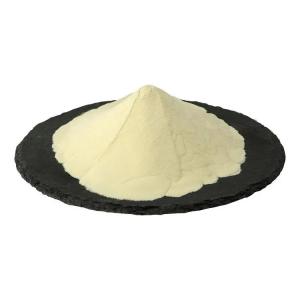
Phosphatidyl serine formulation trends are gaining attention as ingredient manufacturers and product developers explore new ways to improve product quality, processing compatibility, and formulation flexibility. As a specialized phospholipid ingredient, phosphatidyl serine is incorporated into various dietary supplement products and other ingredient preparations. Its molecular characteristics make it an important consideration in the development of phospholipid-based formulations.
With evolving market requirements, manufacturers are paying closer attention to ingredient purity, physical properties, dispersion characteristics, and compatibility with other formulation components. These factors are encouraging continued innovation in formulation design and production technology.
Growing Demand for Formulation Flexibility
One important trend in phosphatidyl serine development is the demand for flexible formulation solutions. Different product formats have different requirements for ingredient handling, manufacturing conditions, packaging, and storage. Powder-based preparations, capsules, tablets, and other formats may require distinct approaches to ingredient incorporation.
Formulation developers must evaluate the properties of phosphatidyl serine alongside those of other ingredients. Particle characteristics, moisture content, mixing uniformity, and processing conditions can all influence the consistency of the finished product.
Flexible formulation strategies allow manufacturers to adapt ingredient combinations and processing procedures to the intended product format. This approach also supports the development of differentiated products for different market segments.
Greater Attention to Ingredient Purity and Consistency
Ingredient quality remains a central consideration in phosphatidyl serine formulation. Purity, phosphatidyl serine content, related substances, and batch-to-batch consistency can affect raw material selection and formulation planning.
Manufacturers are increasingly establishing clear specifications for incoming ingredients and finished formulations. Reliable analytical testing helps verify ingredient content and monitor quality indicators throughout production.
Consistent raw material characteristics can also simplify formulation development by reducing variations between batches. For this reason, ingredient suppliers and downstream manufacturers benefit from close communication regarding specifications, testing methods, and product handling requirements.
Advances in Dispersion and Processing Technology
Phospholipid ingredients can present processing challenges depending on their composition and the surrounding formulation environment. Dispersion behavior, mixing efficiency, and compatibility with other components are therefore important topics in formulation research.
Manufacturers may evaluate different mixing methods, processing sequences, and suitable carrier materials to achieve a more uniform distribution of phosphatidyl serine. The selection of processing conditions depends on the ingredient grade, formulation composition, and intended product format.
Improvements in powder handling and blending technology can also support manufacturing consistency. In liquid or complex ingredient systems, developers need to consider the interaction between phosphatidyl serine and other components to maintain the desired physical characteristics.
Stability and Packaging Considerations
Stability is another important factor influencing phosphatidyl serine formulation trends. Environmental conditions, including temperature, moisture, oxygen exposure, and light, may affect product quality during manufacturing and storage.
Formulation developers need to assess the stability of the complete product rather than evaluating phosphatidyl serine in isolation. Interactions among ingredients, packaging materials, and storage conditions may influence the finished formulation over time.
Appropriate packaging selection, controlled manufacturing environments, and well-designed stability studies can help establish suitable storage conditions and shelf-life specifications. These measures also provide useful information for product development and quality assurance.
Clean-Label and Source Transparency Trends
Ingredient sourcing and transparency are becoming increasingly relevant in formulation development. Manufacturers may evaluate plant-derived phosphatidyl serine, raw material traceability, production methods, and the documentation provided by suppliers.
Clear ingredient declarations and detailed technical specifications help manufacturers understand the composition of their raw materials. Depending on the target market, sourcing information and formulation requirements may also influence purchasing decisions.
At the same time, formulation developers must balance source preferences with technical considerations, including purity, consistency, processing compatibility, and cost. A well-designed sourcing strategy considers the complete set of requirements rather than relying on a single ingredient attribute.
Digitalization and Formulation Optimization
Digital tools and structured experimental methods are creating additional opportunities for phosphatidyl serine formulation development. By recording ingredient ratios, mixing conditions, processing parameters, and analytical results, manufacturers can compare formulation trials more systematically.
Experimental design can help identify important variables and evaluate interactions among formulation components. This approach may reduce unnecessary trial-and-error work and provide a clearer basis for selecting suitable production parameters.
Digital batch records and standardized testing procedures can also improve reproducibility when formulations move from laboratory development to larger-scale manufacturing.
Future Outlook for Phosphatidyl Serine Formulations
Future formulation development is likely to focus on improved ingredient consistency, more efficient processing, enhanced stability evaluation, and greater flexibility in product design. Manufacturers may continue exploring different ingredient combinations and delivery formats while refining analytical methods and production controls.
Collaboration between raw material suppliers, formulation specialists, and contract manufacturers will remain important. Shared technical information can help address compatibility issues, establish realistic product specifications, and support more efficient commercialization.
Conclusion
Phosphatidyl serine formulation trends are evolving alongside broader developments in ingredient technology and manufacturing. Greater attention to purity, processing compatibility, stability, source transparency, and digital formulation management is shaping the way manufacturers develop phosphatidyl serine-based products.
As the industry continues to mature, successful formulation strategies will depend on balancing ingredient quality with practical manufacturing requirements. Through systematic testing, appropriate material selection, and ongoing process improvement, manufacturers can develop formulations that meet their intended specifications and adapt to changing market demands.
Previous:Phosphatidyl serine manufacturing upgrades
Next:None